Pitakia: A Thrifty Family Greek Recipe for Fried Flour Patties
Many of the recipes I’ve inherited from Mama are regional, but this pitakia preparation is strictly a family tradition — perhaps the most local of all. Mama learned it from her mother, and it’s likely been made in our family for generations. This isn’t a formal recipe so much as a practical, thrifty technique for using the seasoned flour left behind after making meatballs like Greek Meatballs or Summer Meatballs.
When you roll meatballs in flour, the coating is no longer usable for other baking tasks because it contains crumbs of meat and spices. Rather than throwing that flavorful, seasoned flour away, Mama transforms it into pitakia: a simple fried paste that captures every last bit of flavor. It’s a classic example of making the most of ingredients and eliminating waste — and it tastes surprisingly good.
The method is straightforward. Sprinkle the leftover meatball flour with salt, then add liquid to form a paste. If you just made Summer Meatballs and some flavorful liquid drained from the meat mixture, use that instead of plain water — the drippings add extra richness. The goal is a sticky, moist paste, not a firm dough. If the paste is too dry the finished pitakia will be tough, so be liberal with the liquid until it reaches a tacky, workable consistency.
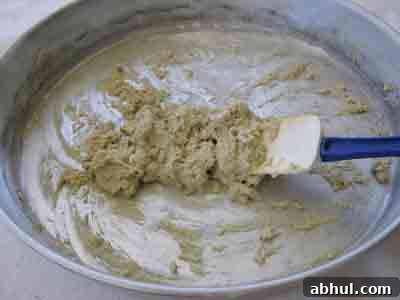
Form the paste into small patties using oiled hands; coating your palms with a little oil prevents the paste from sticking and makes shaping easier. These patties don’t need to be neat — rustic and rough is fine. The texture and flavor come from the seasoned flour and any residual meat crumbs, not from precise shaping. Slide the patties into the hot oil left in the pan where you cooked the meatballs. Keep the heat on; the oil and pan will already carry flavor from the meat, which helps brown and crisp the pitakia while infusing them with savory notes.
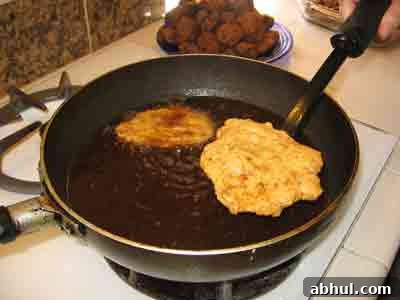
Fry the pitakia until the underside is golden brown, then flip and cook the other side until it matches. The exterior should develop a pleasant crust while the interior remains soft and slightly moist. Because the paste is sticky and contains bits of seasoned meat, the finished patties are tender and richly flavored. Serve them hot alongside the meatballs that generated the flour in the first place — they’re meant to be eaten together, complementing and extending the meal.
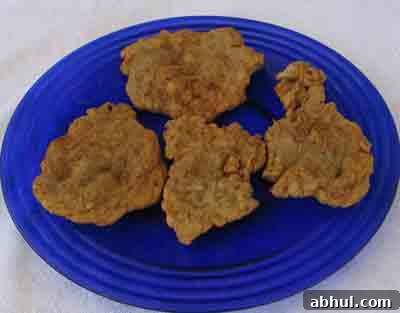
This technique is a great example of how traditional home cooks stretch ingredients and avoid waste while creating something delicious. Pitakia are modest, homey, and deeply satisfying — the kind of comfort food that comes from a lifetime of practical cooking. If you’ve enjoyed fried bread or other simple fried doughs, you’ll likely appreciate these fried flour patties; when I mentioned fried flour-and-water paste in my Fry Bread post, I was thinking of pitakia specifically.
Tips for success: keep the paste noticeably sticky so the patties don’t dry out; use the flavorful liquid from the meat mix if available to boost taste; and fry in the same pan so the remaining meat juices season the oil. These small steps produce pitakia that are crisp on the outside, tender within, and perfectly suited to accompany meatballs or any simple Greek meal.