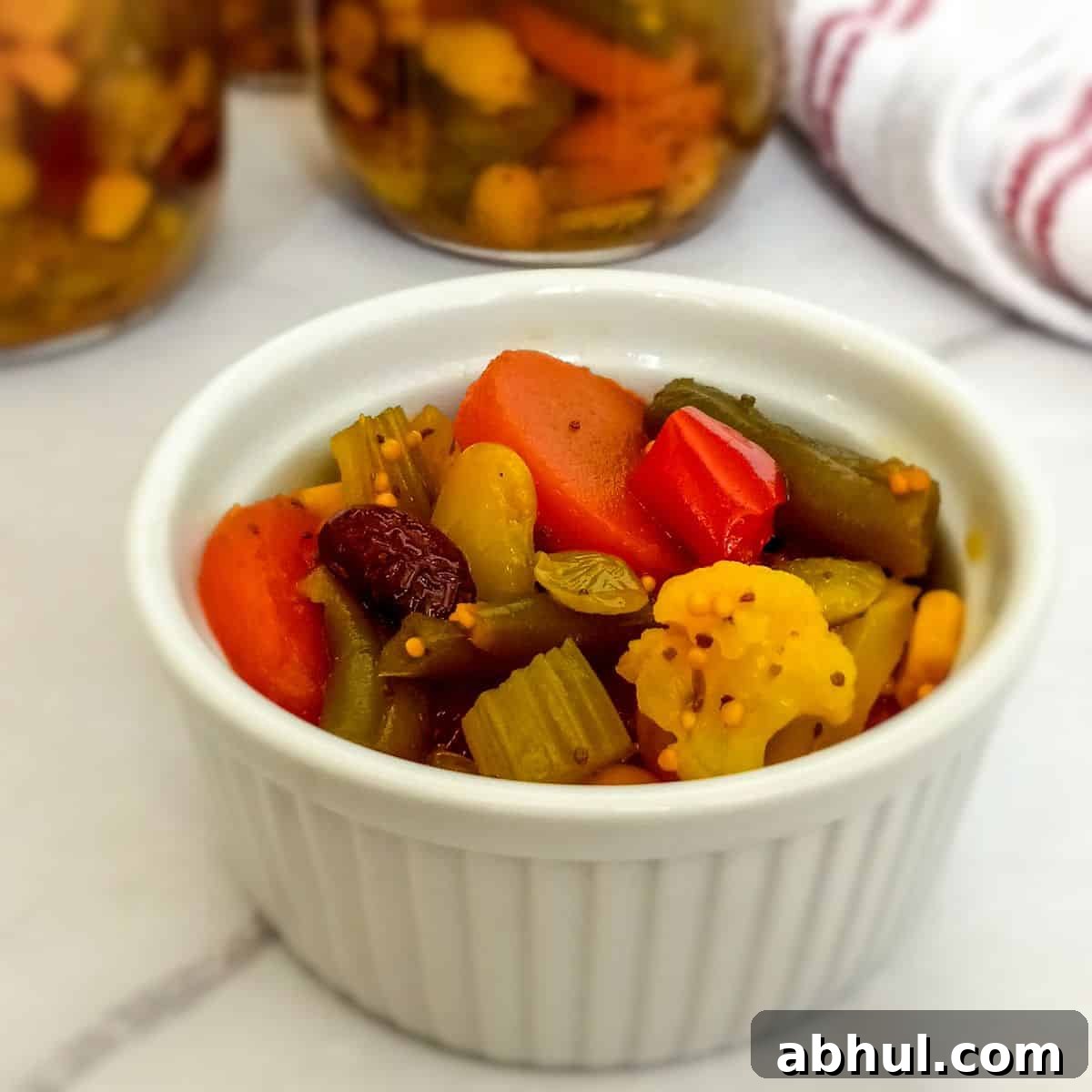
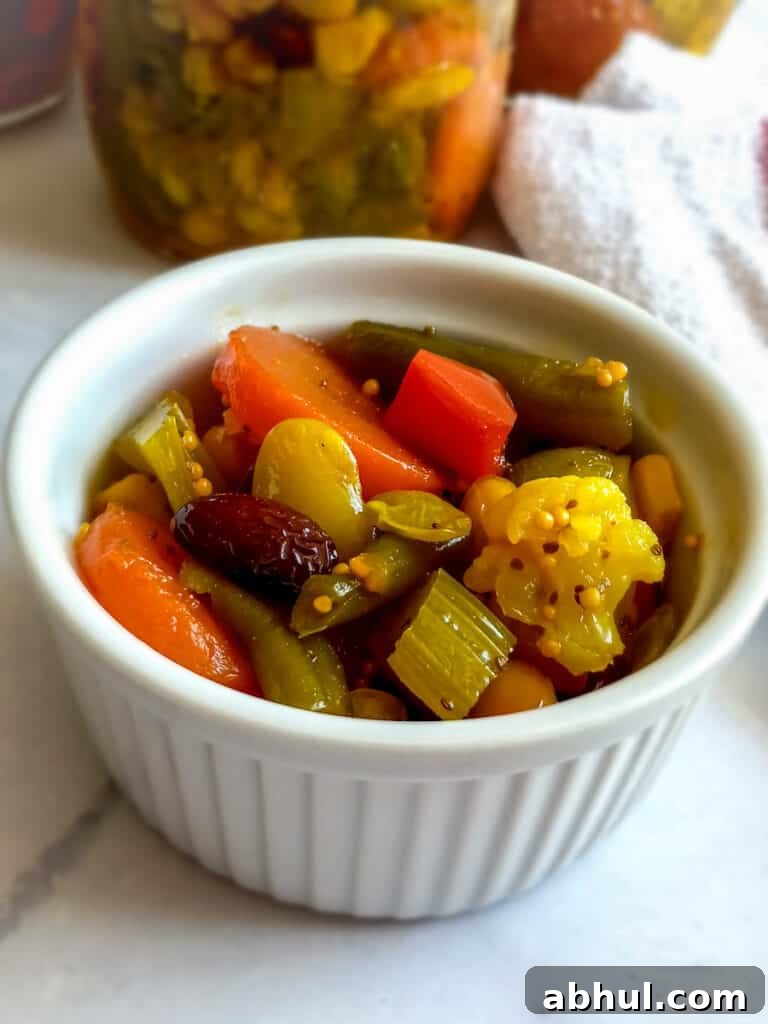
What is Amish chow chow? Amish or PA Dutch chow chow is a traditional pickled relish enjoyed in Pennsylvania Dutch and Amish households. It’s a colorful medley of beans and vegetables preserved in a sweet-and-tangy brine. Essentially, it’s a pickled vegetable mix — perfect if you enjoy tangy, crunchy condiments.
Vegetables commonly used in chow chow include green beans, lima beans, bell peppers, carrots, cauliflower, corn and other seasonal produce. It’s often served as a side dish or condiment and is especially popular in late summer and early fall when garden vegetables are plentiful.
Canning Amish Chow Chow
Many Amish women spend long hours each summer and fall preserving garden harvests. I grew up in an Amish family with a very large garden and we canned hundreds of jars and filled freezers for the winter. Canning chow chow is a common task late in the season, using up small amounts of leftover vegetables so nothing goes to waste.
We canned a lot of chow chow because my father loved it and served it with nearly every meal. I wasn’t as enthusiastic, but I recognized its usefulness: a delicious way to preserve a mixture of vegetables so they can be enjoyed year-round.
If you plan to can chow chow, prepare to spend a bit of time washing, chopping and par-cooking vegetables. The goal is to keep them tender-crisp — not soft — so they maintain texture after canning.
This post contains affiliate links to items you may need…
How to Can PA Dutch Chow Chow
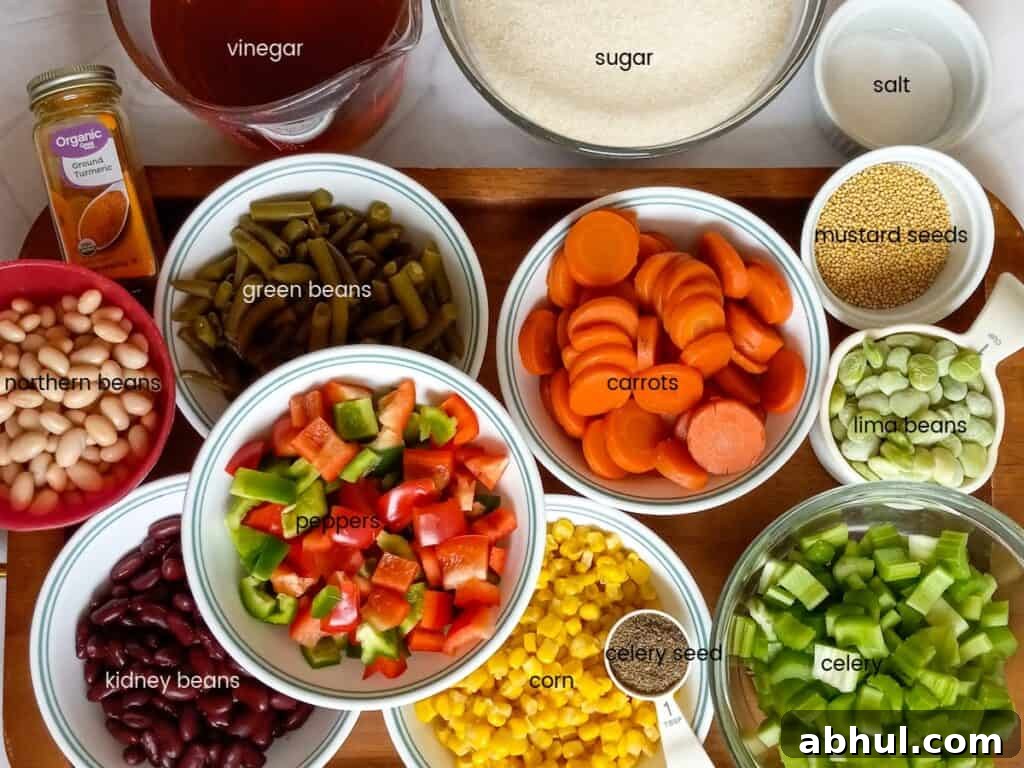
Begin by gathering and preparing your vegetables and beans. Wash and cut them into bite-sized pieces. Cook each vegetable briefly in a little water until tender but still firm — overcooking will leave you with a mushy relish. If you use dried beans, cook them fully before adding; canned beans are a convenient alternative.
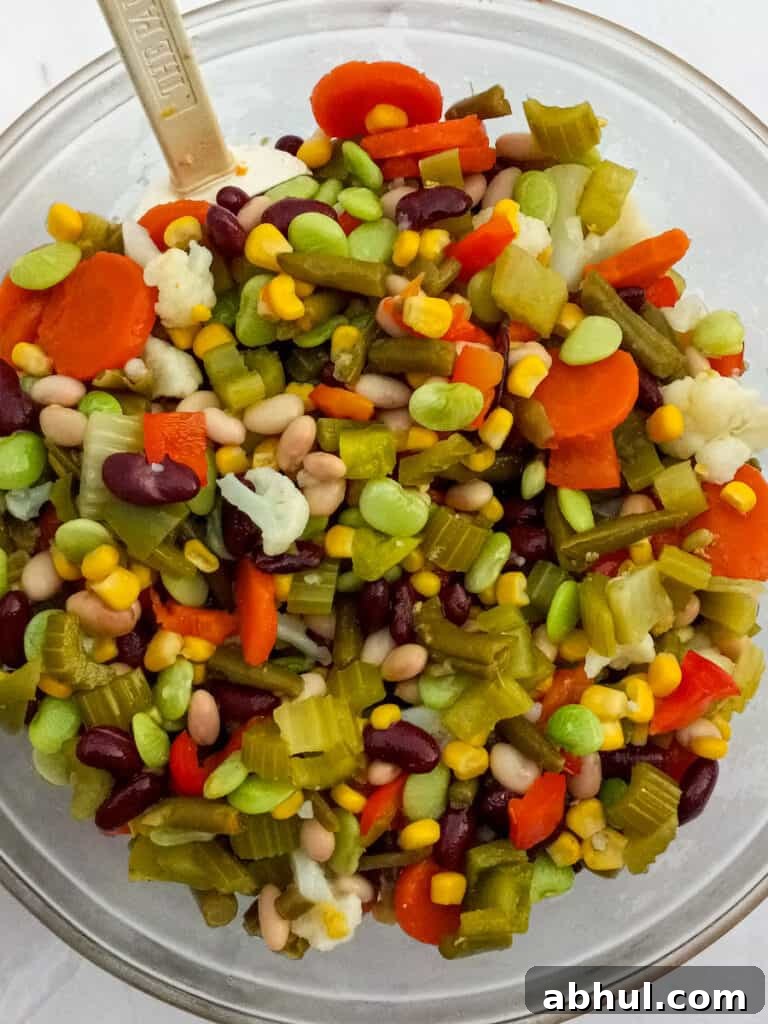
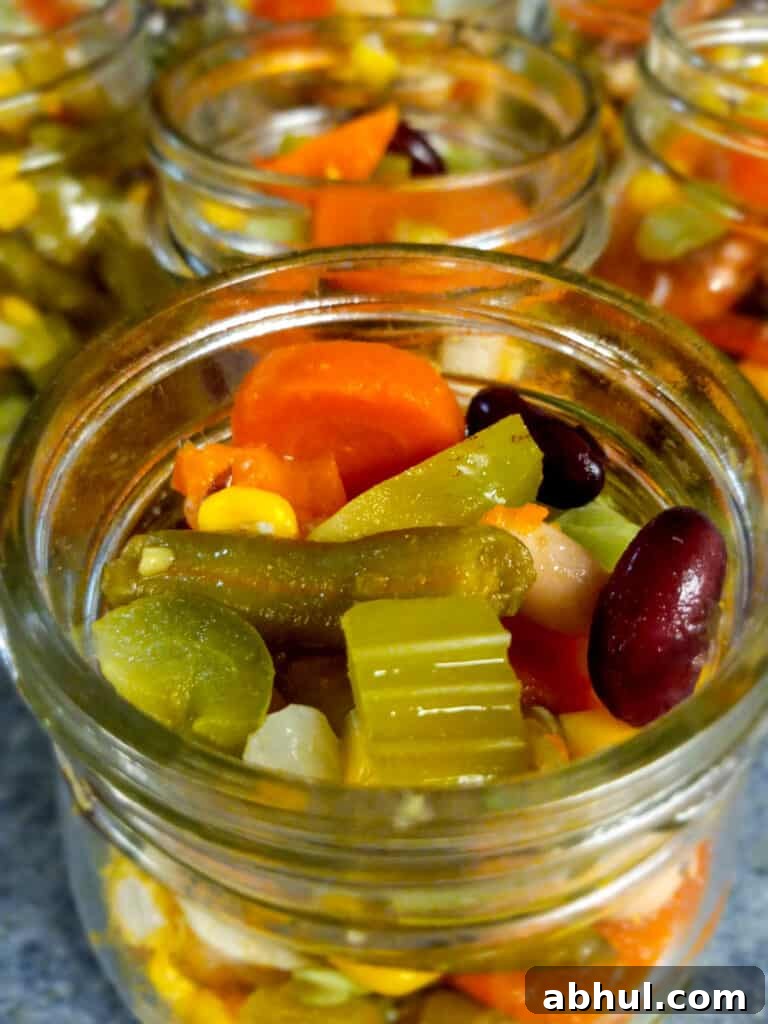
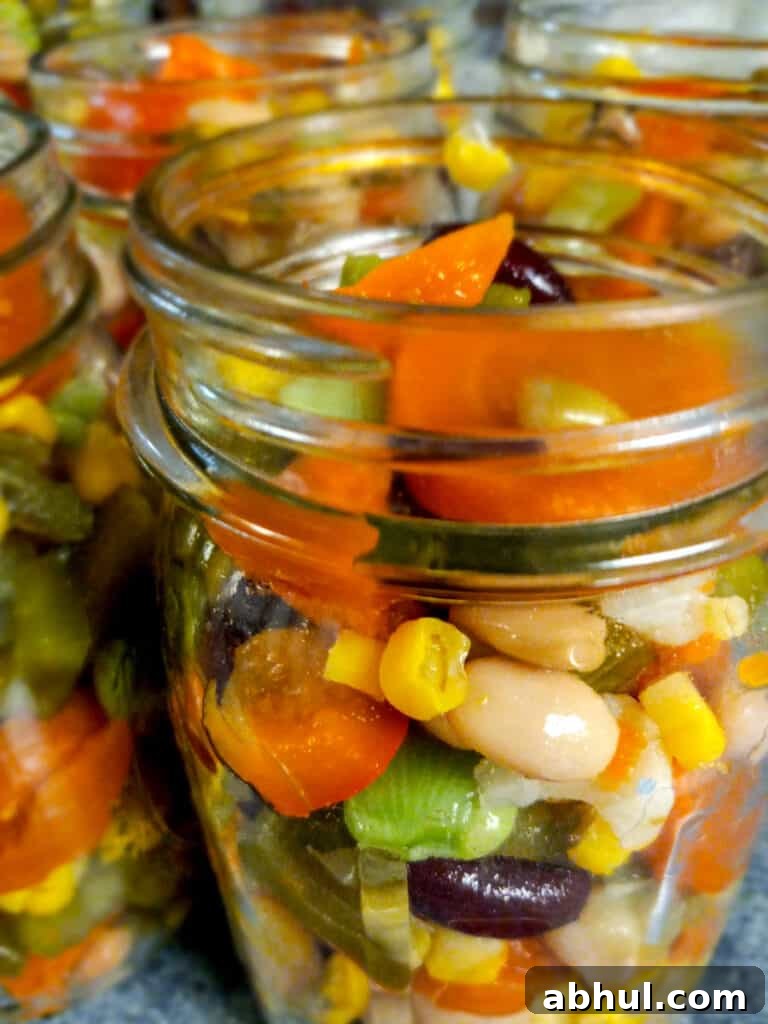
Drain the vegetables and beans, then combine them in a large bowl. Loosely fill clean, sterile jars so the brine can circulate through the mixture.
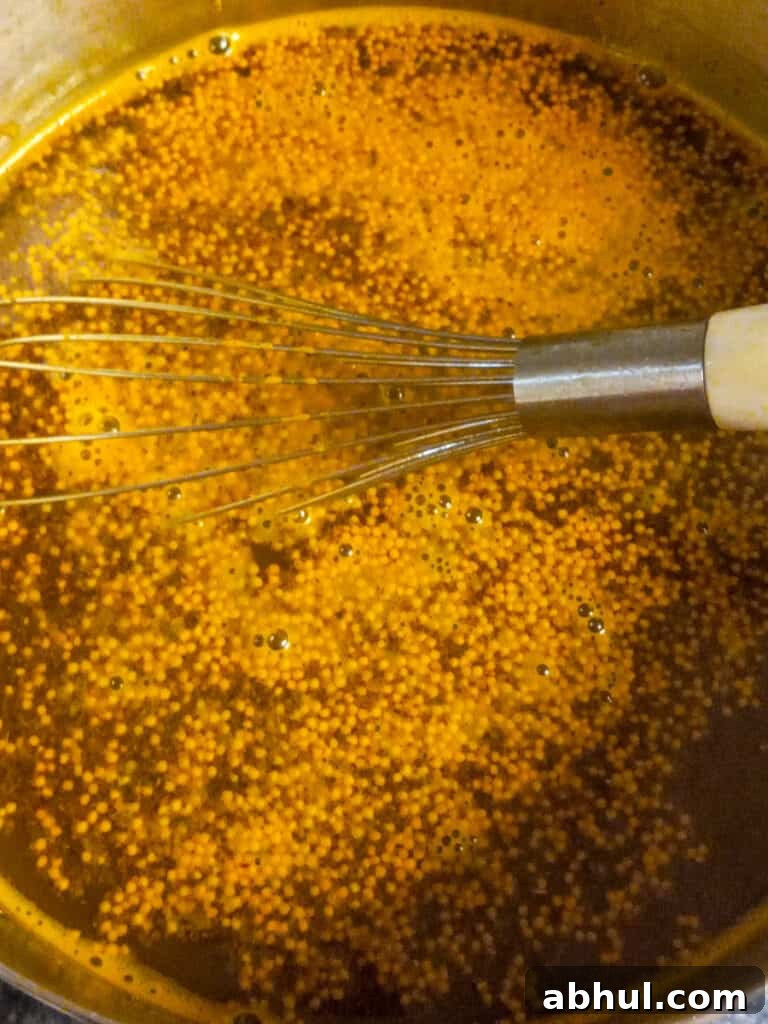
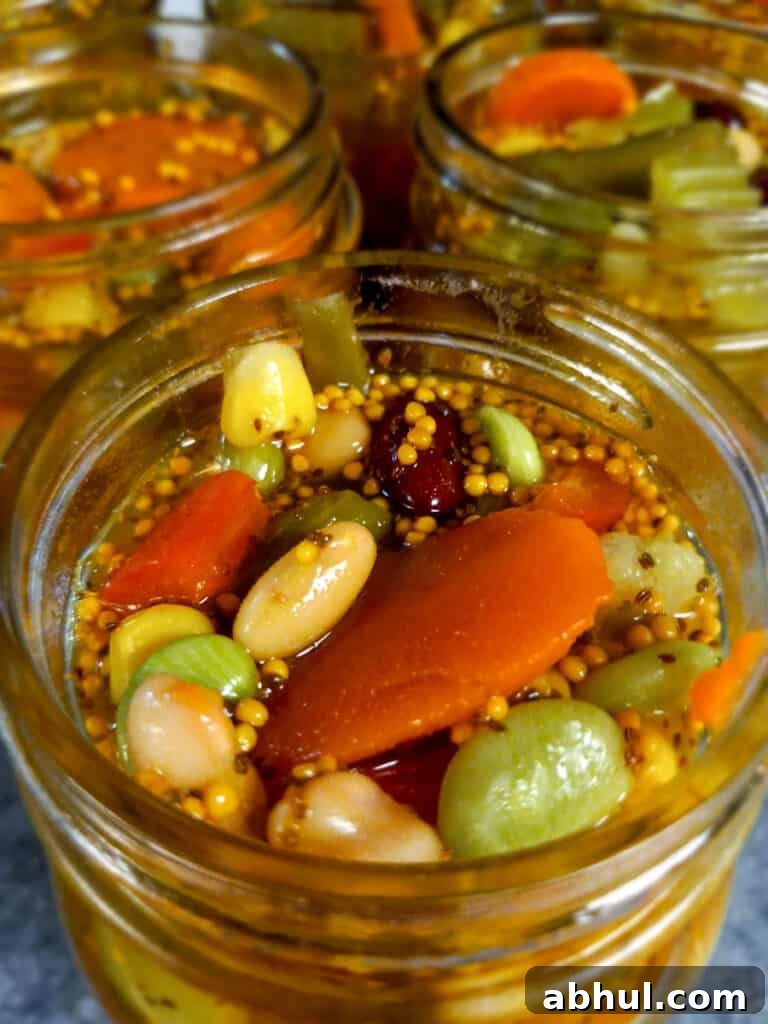
Prepare the brine by combining water, vinegar, sugar and seasonings in a pot and bringing it to a rolling boil. Carefully ladle the hot brine into each jar, leaving a small headspace. Wipe the jar rims clean, place lids and bands on the jars and fingertip-tighten.
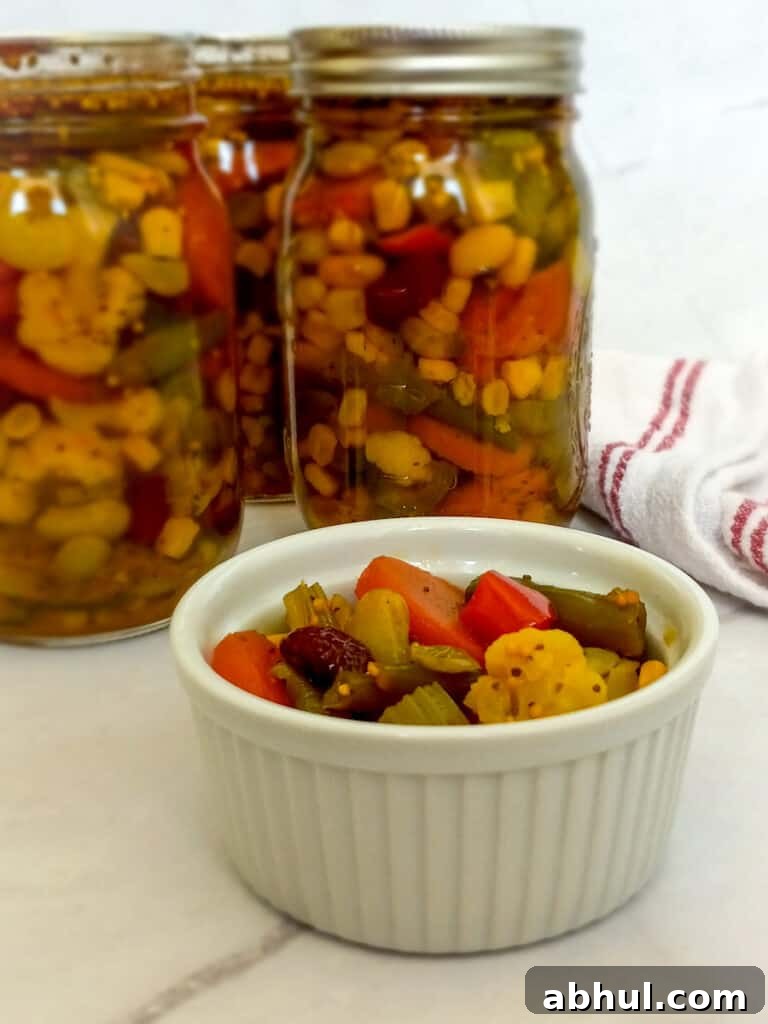
Process the jars in a boiling-water canner: cover the jars with water, bring to a boil and boil for 5 minutes (adjust processing time as needed for altitude). Remove jars with proper tools and place them on a heat-proof surface, undisturbed, for 24 hours. Check seals, label and store in a cool, dry place for up to a year or two.
Always follow safe canning practices and be cautious when handling boiling liquids.
New to Canning
If you are new to canning, congratulations on starting a valuable and rewarding skill. Preserving your own food stretches the garden’s bounty and provides home-canned staples during colder months. Before you begin, review modern canning basics from trusted sources and follow recommended processing times and safety guidelines.
With a little care and preparation, canning isn’t difficult, and the satisfaction of lining pantry shelves with jars from your own garden is well worth the effort.
Can I Use Different Vegetables and Beans?
Absolutely. This recipe is a guideline — use whatever vegetables and beans you enjoy or have on hand. Common additions include cauliflower, cucumbers, onions, cabbage, potatoes and even unusual items like cantaloupe chunks or the white rind of watermelon. Fresh, frozen or pre-canned vegetables can all work depending on your preference.
Adjust the brine sweetness to taste. The original family recipe called for five cups of sugar, which some find overly sweet; a slightly reduced amount often yields a better balance of sweet and tangy. Taste and adapt until you find the level you prefer.
Where Did Its Name Come From?
The origin of the name “chow chow” is debated. Some trace it to Chinese terms for mixed pickles, which fits a relish made from many vegetables. Dictionaries also define chowchow as a relish of chopped mixed pickles in mustard sauce. Others point to French-speaking Acadian settlers in Louisiana, suggesting a link to the French word “chou” (cabbage).
Regardless of its precise linguistic origins, chow chow has regional variations. The PA Dutch version tends to be sweeter and vegetable-focused, while Southern chowchow may differ in ingredients and seasoning. What is consistent is the relish’s role as a practical way to preserve a mix of vegetables and enjoy seasonal flavors year-round.
A Dog Breed and a Pickled Relish with the Same Name?
Yes — the chow chow dog and the chow chow relish share a name but are unrelated. The identical wording appears to be coincidental, with the two uses developing independently in different contexts.
More Amish Recipes for Canning and Preserving Food
- Canning Pizza/Spaghetti Sauce
- Refrigerator Dill Pickles
- Freezing Basil Cubes
- Homemade Apple Butter
- Apple Pie Filling
If you enjoy pickled foods, you might also try pickled eggs and beets. I hope you’ll give chow chow a try and share your experience in the comments if you make it. Thank you!
📖 Recipe Card
Amish Chow Chow Recipe
Ingredients
- 2 c. celery, chopped (approx. 4-5 ribs)
- 2 c. green and red sweet peppers, chopped
- 2 c. carrots, sliced
- 1 c. whole kernel sweet corn
- 3 c. cut green beans (or a mixture of green and yellow beans)
- 2 c. lima beans
- 2 c. red kidney beans, rinsed and drained
- 1 c. navy beans, rinsed and drained
Brine:
- 2 ½ c. water
- 2 ½ c. vinegar
- 4 – 4 ½ c. sugar (adjust to taste)
- 2 Tbsp. mustard seeds
- 1 Tbsp. celery seeds
- 1 Tbsp. turmeric powder
- 2 tsp. salt
Instructions
- Wash, chop and prepare the vegetables. Cook them separately in a little water until tender but still firm. Drain and transfer to a large bowl.
- Add the rinsed and drained beans to the vegetables and gently combine.
- Loosely fill sterile jars with the chow chow mixture.
- Pour the hot brine into the jars, leaving a bit of headspace. Wipe rims, apply lids and fingertip-tighten the bands.
- Process jars in boiling water for 5 minutes (adjust for altitude if necessary).
- Remove jars and place them on a heat-proof surface. Do not disturb for 24 hours, then check seals and store in a cool, dry place.
Brine:
- Combine water, vinegar, sugar and seasonings in a pot. Bring to a rolling boil, then pour the hot brine over the packed jars.
Notes
Nutrition
Calories: 150 kcal
Carbohydrates: 34 g
Protein: 3 g
Fat: 1 g
Let us know how it was!