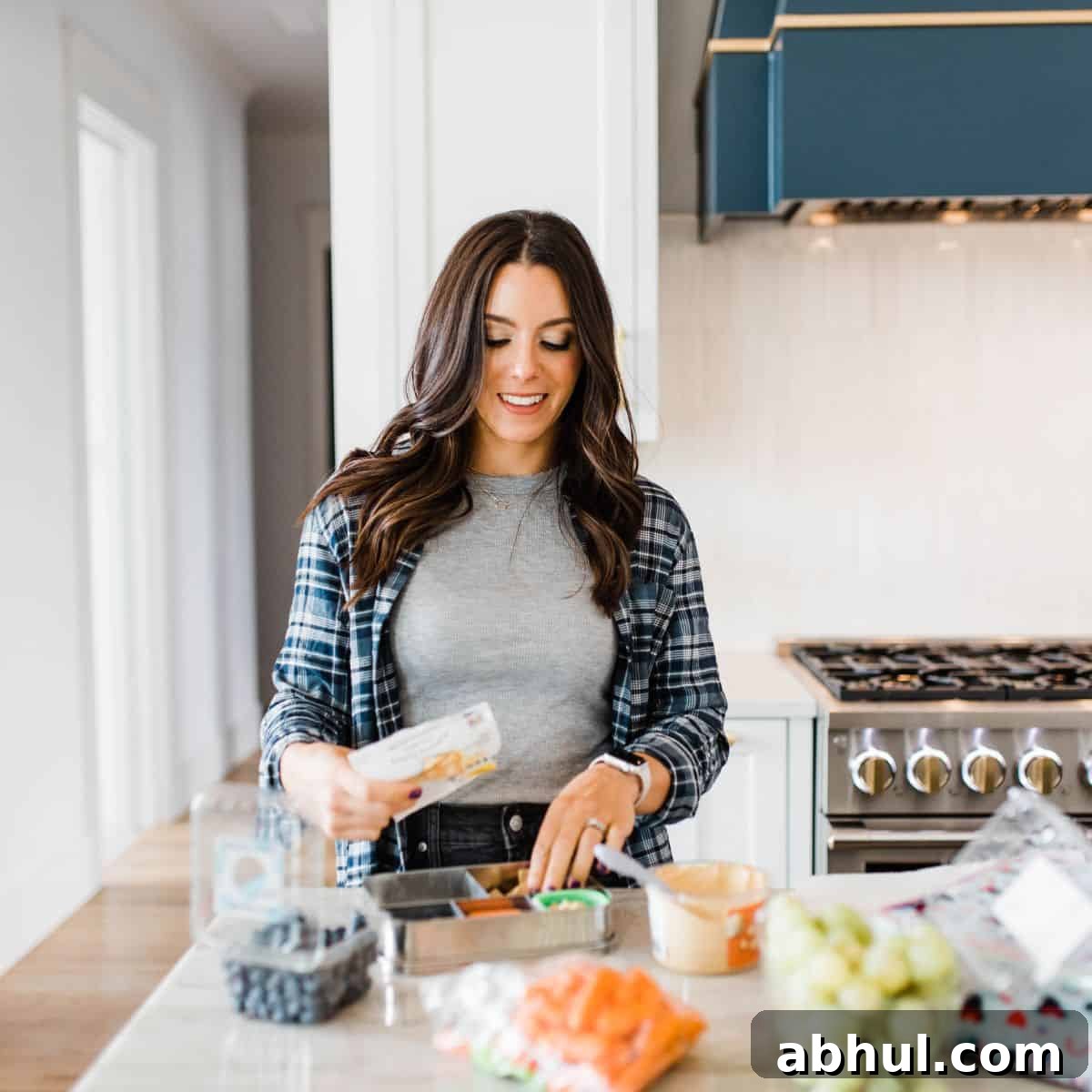
When babies are very young, feeding feels straightforward. There are fewer variables: 2 then 4 then 8 ounces per bottle, or breastfeeding 10 then 8 then 6 times per day. Numbers bring comfort and predictability. You can usually see clear progress and feel confident about how much your baby needs.
Then they turn one. Suddenly the second precious nap and the meal predictability vanish. Now you’re deciding not just what to feed them, but how much and when. Should you let them eat until they’re full or set limits? Should you restrict specific foods (looking at you, carbs)?
And then, on some nights, they simply refuse dinner—only to beg for a snack minutes later. One minute you feel like you’ve got this, the next you’re panicking. I get it; I’ve been there.
Below I’ll share clear starter portion ideas and visuals for toddlers by age, plus simple guidance for common challenges like when your toddler skips dinner but wants a snack ten minutes later.
Disclaimer: this post contains affiliate links. As an Amazon Associate I earn from qualifying purchases at no extra cost to you.
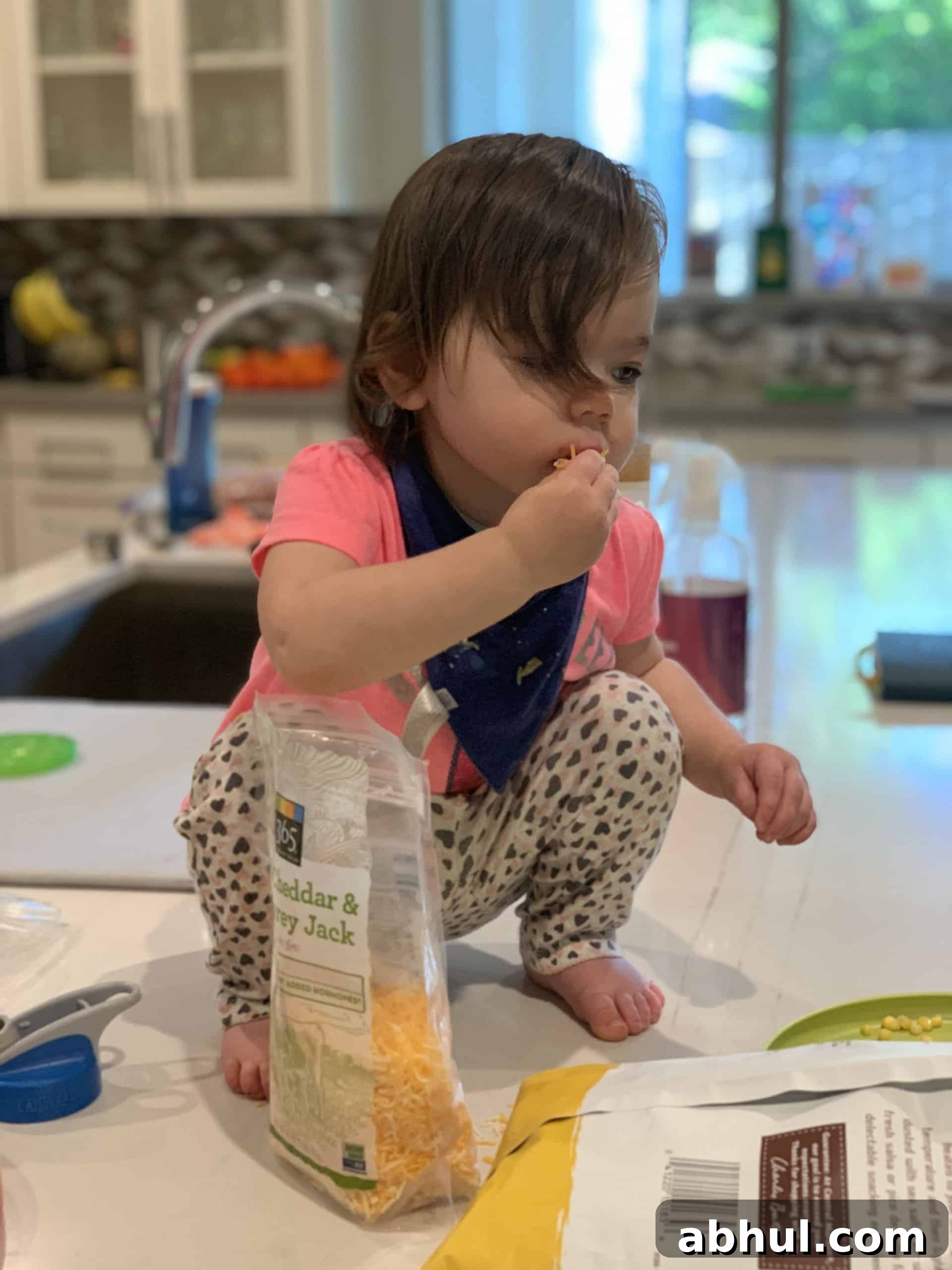
Toddlers Don’t Need Portion Control
Before we dive into specifics, one key point: I do not recommend strict portion control for toddlers. Kids are wired to regulate intake when we give them the space to listen to hunger and fullness cues. Forcing bites or using external rules to dictate intake can teach them to ignore those signals later in life.
- They can learn to listen to their bodies. Children are intuitive eaters by nature. Letting them stop and start based on hunger builds that skill.
- Forced eating can backfire. Making kids finish a plate or take extra bites teaches them to override fullness and can complicate their relationship with food.
- Over-restricting certain foods gives them more power. Labeling foods “bad” often increases desire. Boundaries are fine, but demonizing foods usually creates more trouble.
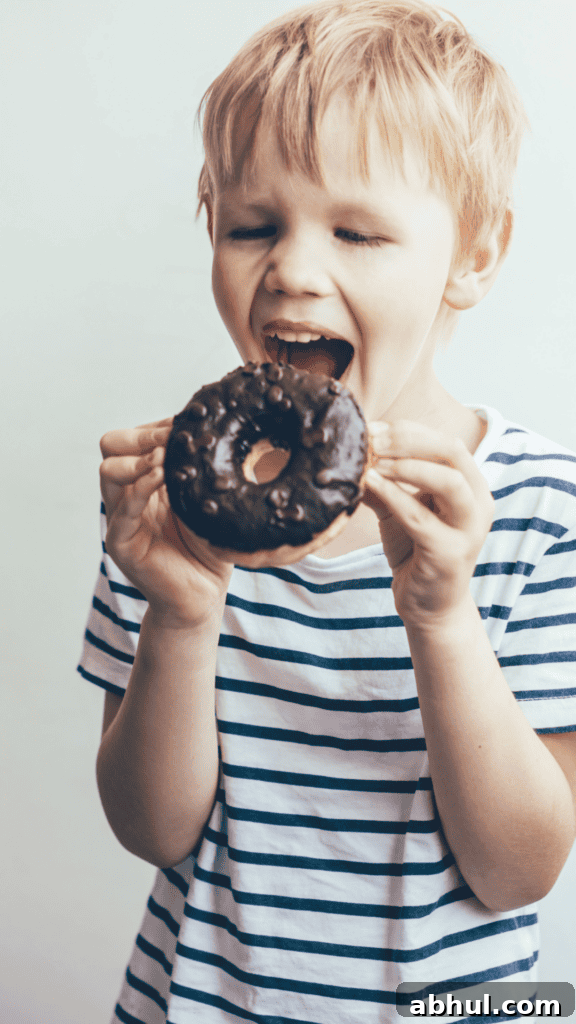
- Toddler appetites vary. Appetite fluctuates day to day. Trust your child to know when they’re hungry or full—only they can truly gauge that.
I’m not recommending giant portions or free-for-alls. Start meals and snacks with reasonable “starter” portions and let your child ask for more if they need it. That keeps portions manageable, reduces waste, and helps kids tune into their hunger.
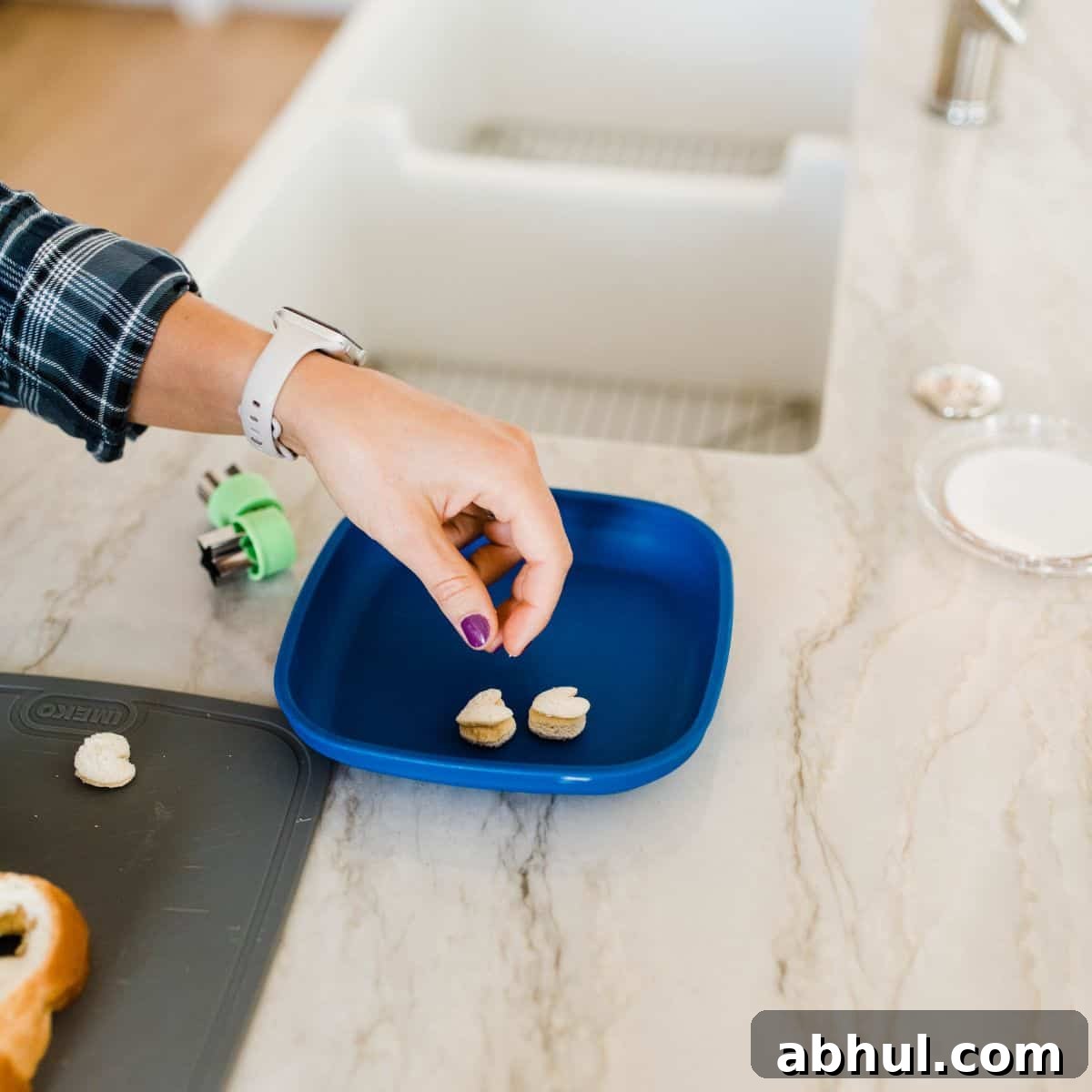
Starter Toddler Portion Sizes for Meals & Snacks
Use the literal rule of thumb: start with one thumb-sized portion (about 1 tablespoon) of each food per year of age. That means:
- 1-year-old: ~1 tablespoon of each food as a starting portion.
- 2-year-old: ~2 tablespoons of each item to start.
- 3-year-old: ~3 tablespoons, and so on.
No need to measure obsessively—eyeball it. Think of a tablespoon as a small dollop. If you know your child typically eats more, increase the starter portion to fit their appetite. If they ask for more, give it one “thumb” at a time.
Toddler Portion Sizes by Age
These examples are starting points—not rules. Any given day your child may eat a lot more or less, and that’s okay. Growth, activity, and individual appetite determine needs far more than exact portion math.
What this is: A simple guideline and an example of a reasonable starting plate for different ages.
What it’s not: A limit, a diet rule, or a comparison tool.
How Many Calories Should a Toddler Have?
Calories vary widely by child. A typical 2-year-old might need around 1,000 calories a day, but needs depend on size, sex, and activity. Rather than counting every calorie, watch growth patterns and overall development. Starter portions help children follow cues and request more when they need it.
Portion Sizes from 6 Months to 1 Year
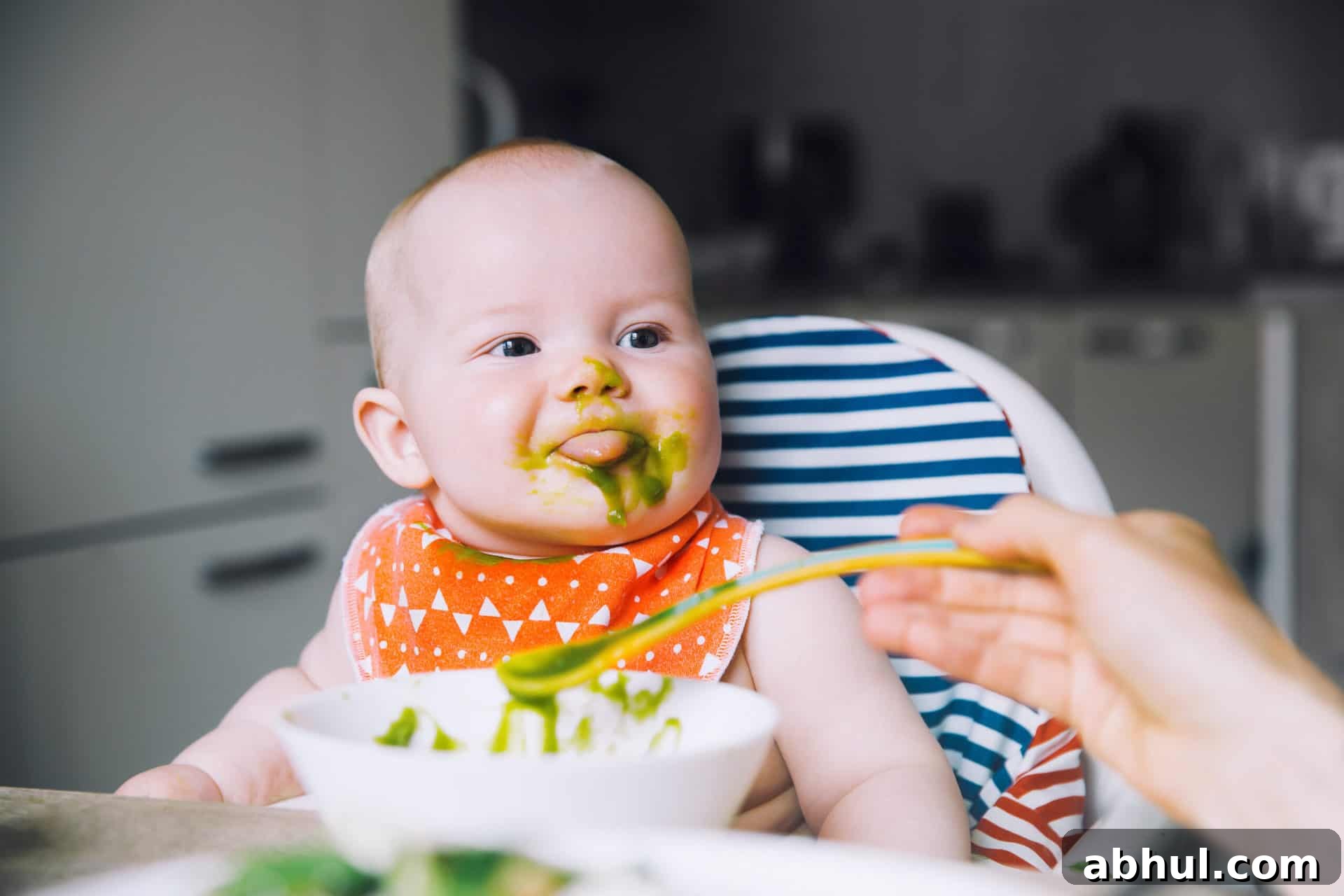
From about 6 months to 12 months, offer 0.5 to 1 tablespoon of each food. For baby-led weaning, pieces may be a bit larger so the infant can grasp them. At this stage, food is mostly about introducing textures, flavors, and motor skills—not heavy calories. It’s fine to offer small amounts and increase exposures over time.
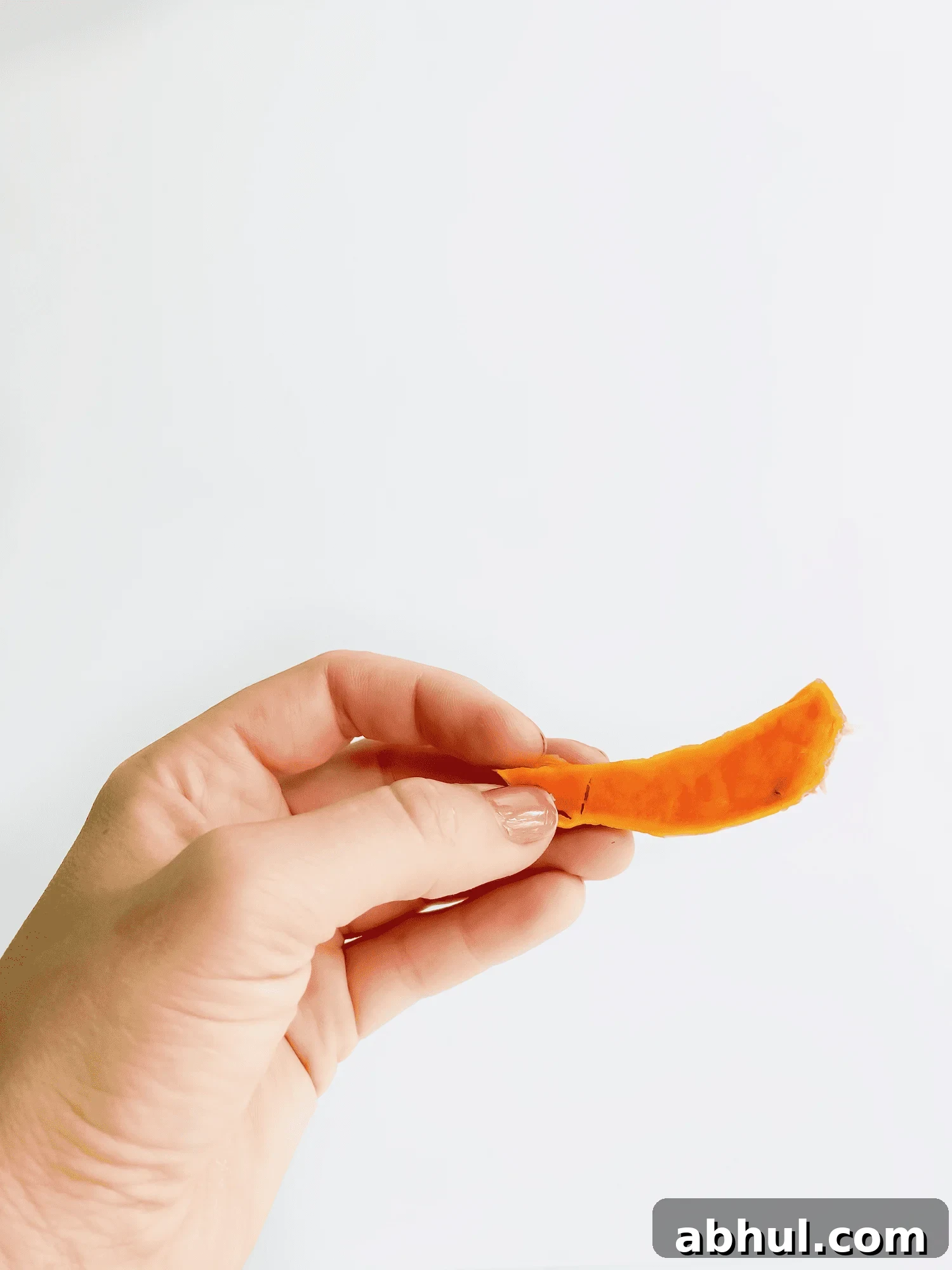
Portion Sizes for a 1-Year-Old
Start with about 1 tablespoon of each food on their plate and increase by thumb-sized increments if they ask for more. Many 1-year-olds can communicate preferences, which helps reduce guesswork. If you know your child typically eats more of a certain item (like oatmeal in the morning), serve a larger portion that matches their usual appetite.
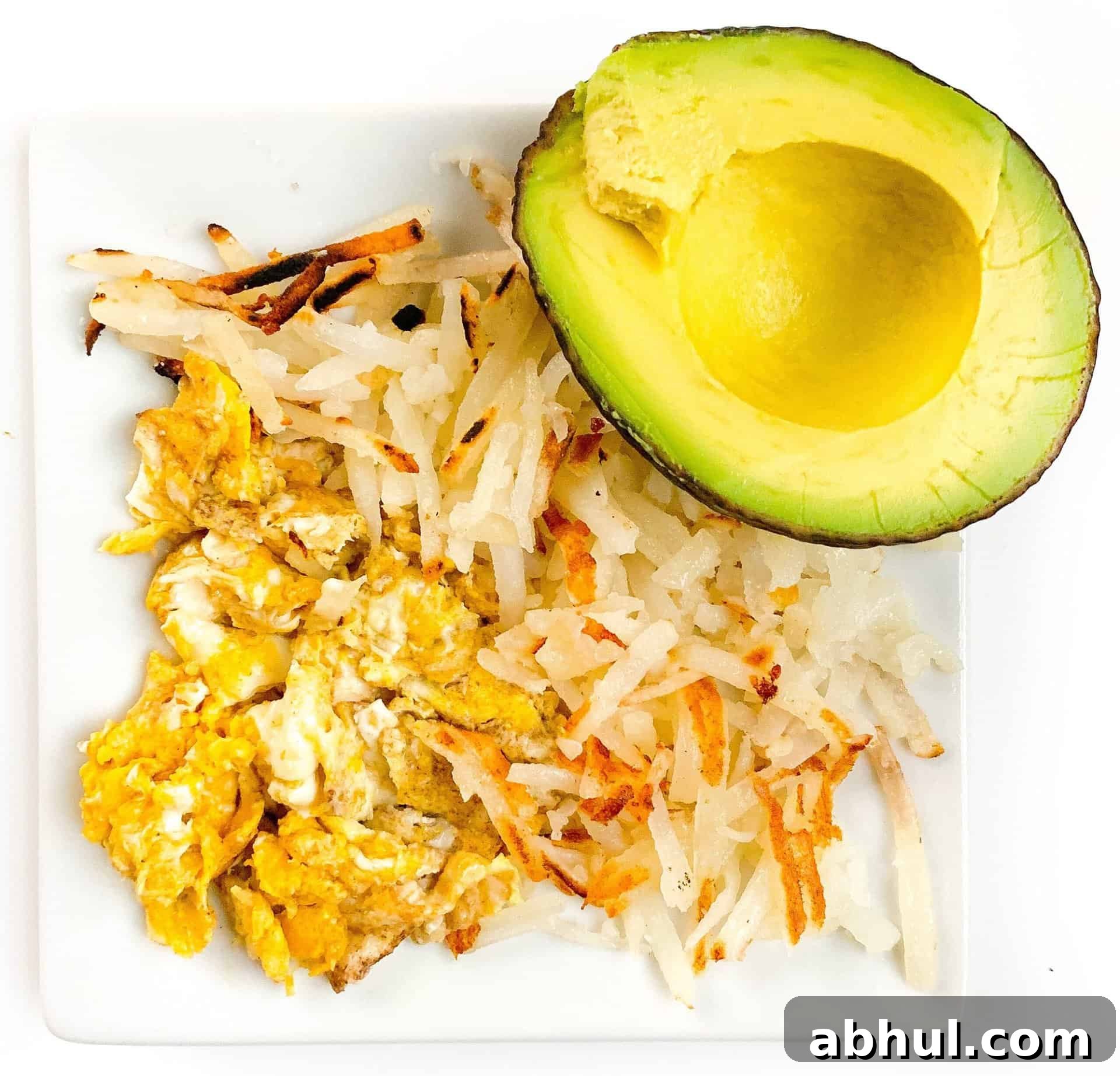
By 18 months many kids can handle whole forms of certain fruits and veggies, but keep choking hazards in mind and prepare appropriately.
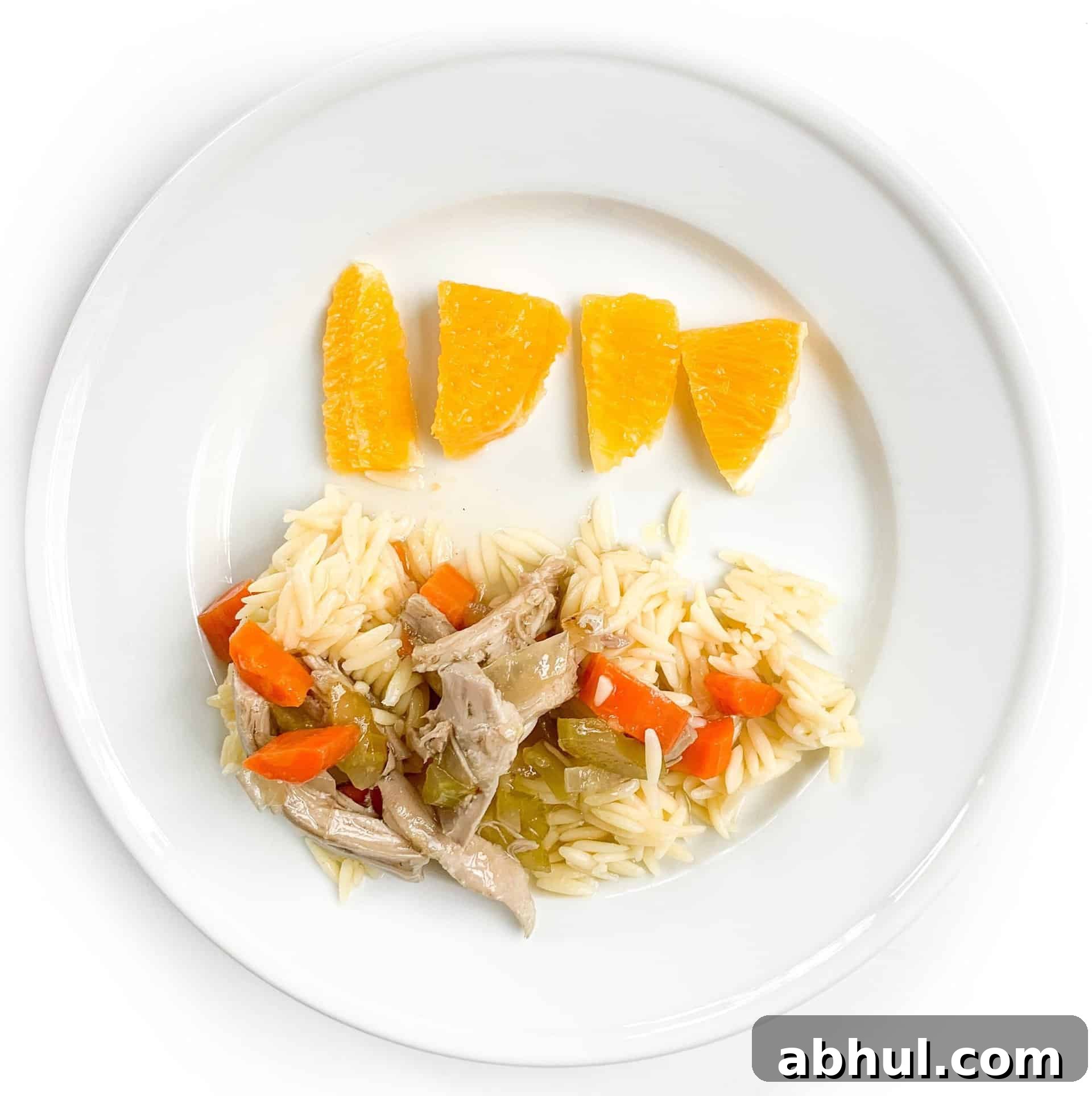
Portion Sizes for a 2-Year-Old
Start with about 2 tablespoons of each food. If you pack lunches, consider slightly larger portions or an extra item since you won’t be there to offer seconds. Expect variability—some days the lunch comes home half-eaten. That’s normal and helps kids learn to respond to fullness.
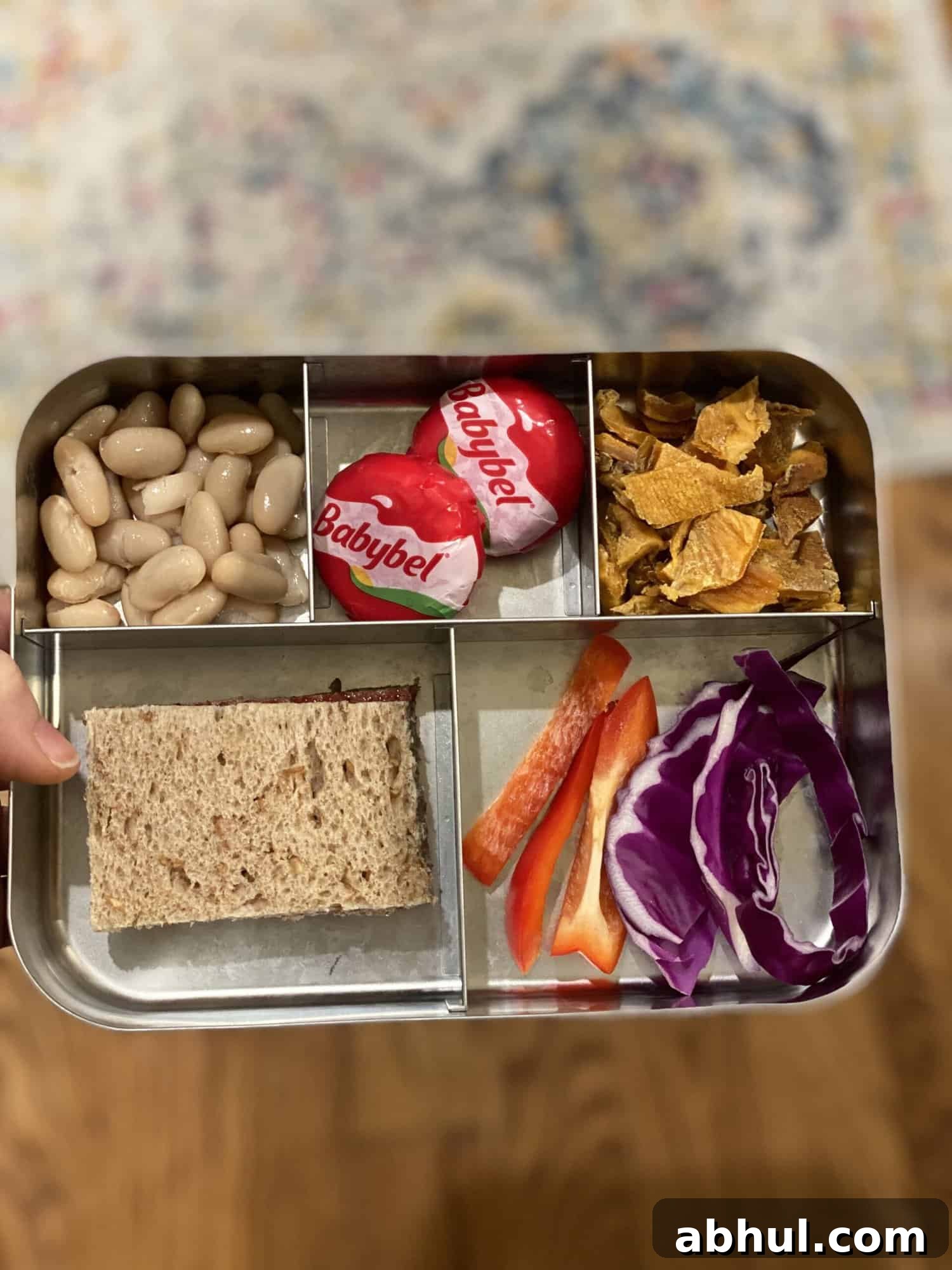
Portion Sizes for a 3-Year-Old
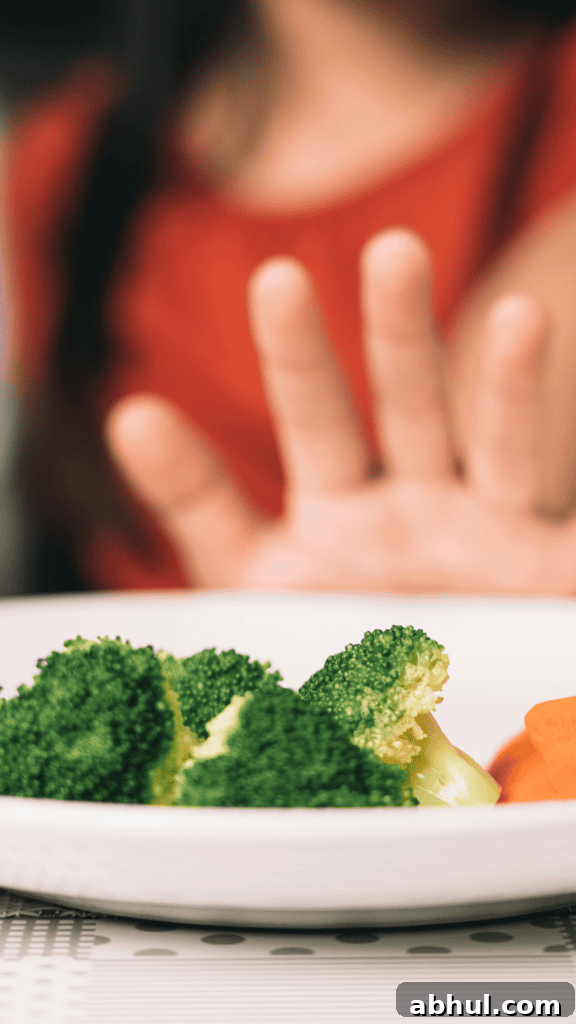
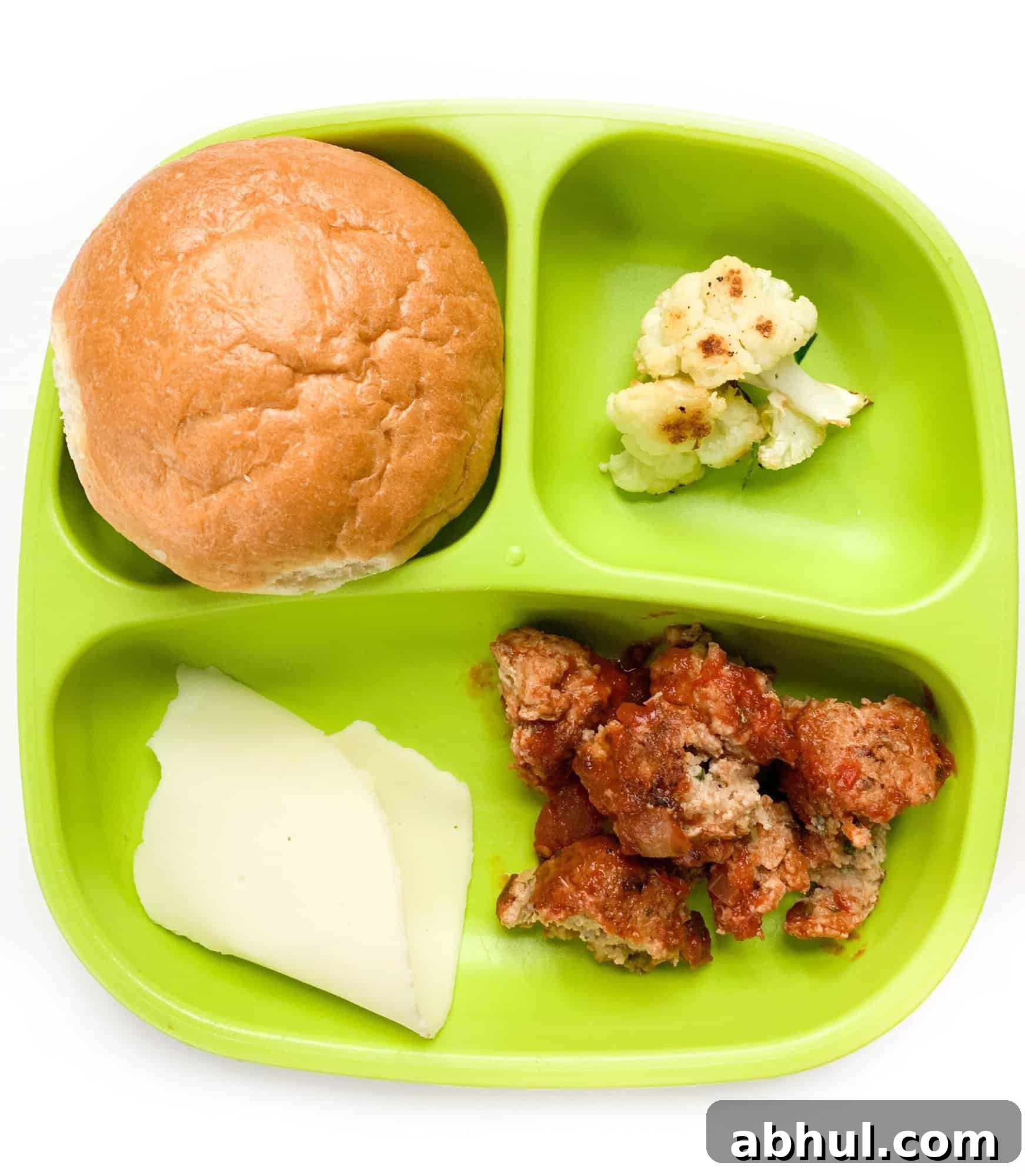
Start with about 3 tablespoons of each item. This age often brings more independence and sometimes picky eating. To keep mealtimes peaceful, offer choices within limits—let them pick a dipping sauce or which plate to use—and keep pressure low. Continue to offer disliked foods without forcing bites; repeated exposure helps acceptance over time.
Portion Sizes for a 4-Year-Old
Use roughly 4 tablespoons (about 1/4 cup) of each food as a starting portion. This quarter-cup measure is a convenient reference for starter servings.
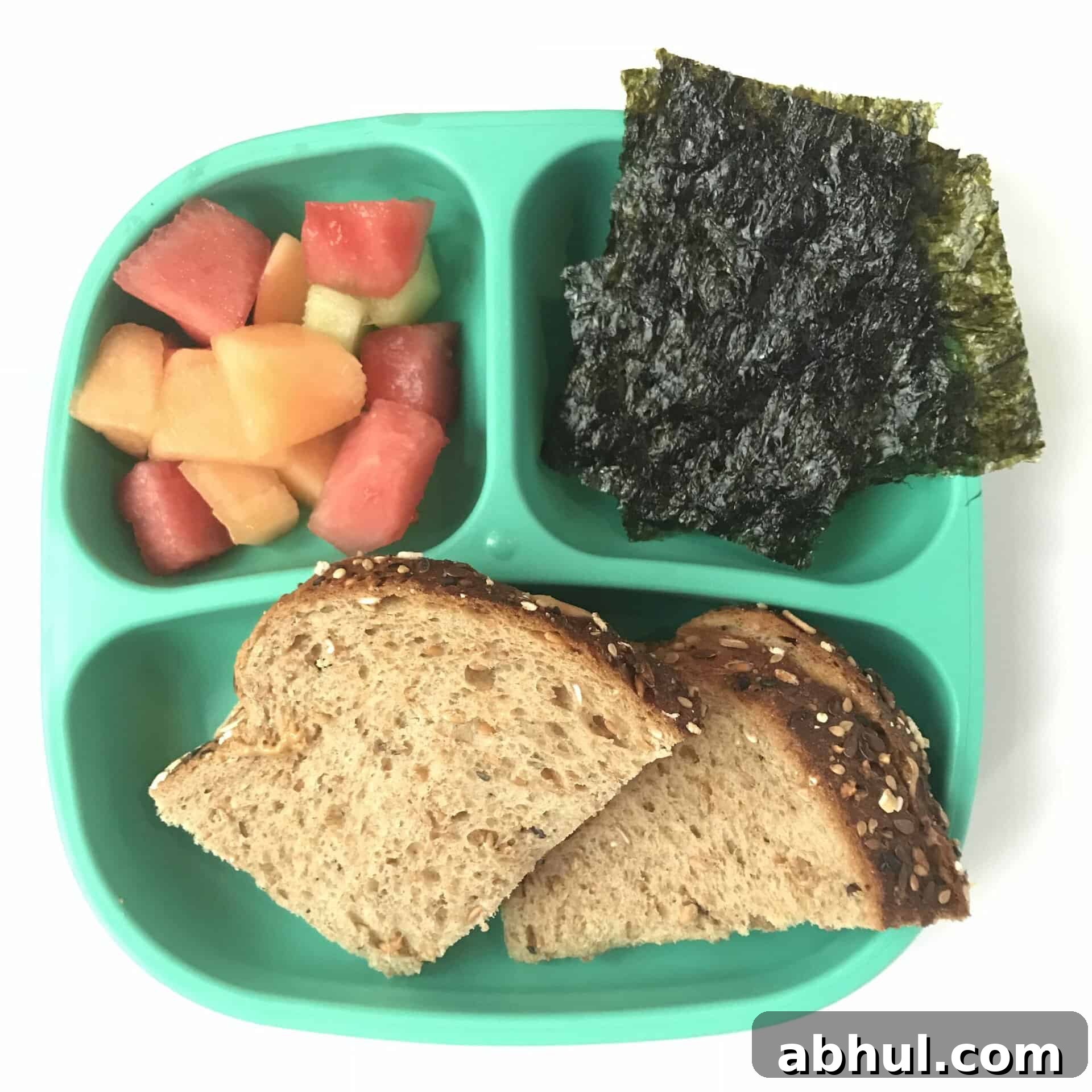
Portion Sizes for a 5-Year-Old
Start with about 5 tablespoons (roughly 1/3 cup) of each food. That means three items could total about 1 cup of food. Many 5-year-olds are ready to serve themselves and can indicate how much they want. Trust their hunger signals and avoid overwhelming them with large portions, which can be intimidating for picky eaters.
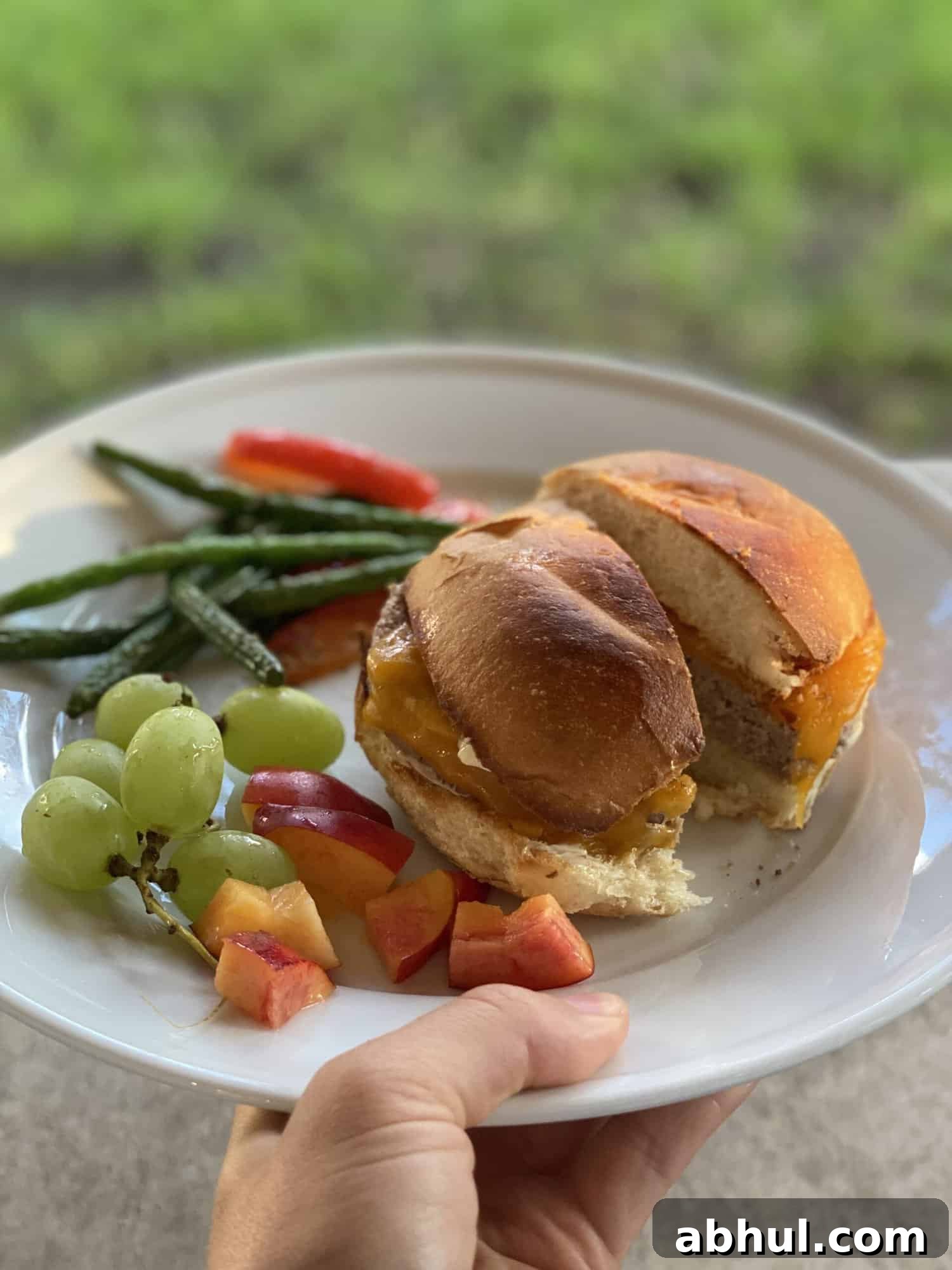
If Your Toddler Wants More of One Thing
It’s normal for toddlers to prefer one item on the plate. Generally, offer more of what they request while you decide what to serve. If there’s a reason to limit something (like too much dairy causing GI upset), you can set a gentle boundary: “That’s all the cheese tonight.” Avoid shaming language like “you’ve had too much,” which frames foods as good or bad.
With Toddler Portion Sizes, Less Is More
Smaller starter portions prevent overwhelm and reduce food waste. Many caregivers overemphasize protein, but small amounts—like one chicken nugget sized to a tablespoon—are often plenty for young children. For new or disliked foods, serve tiny “sprinkles” alongside familiar items. Those micro-exposures count and help build acceptance over time.
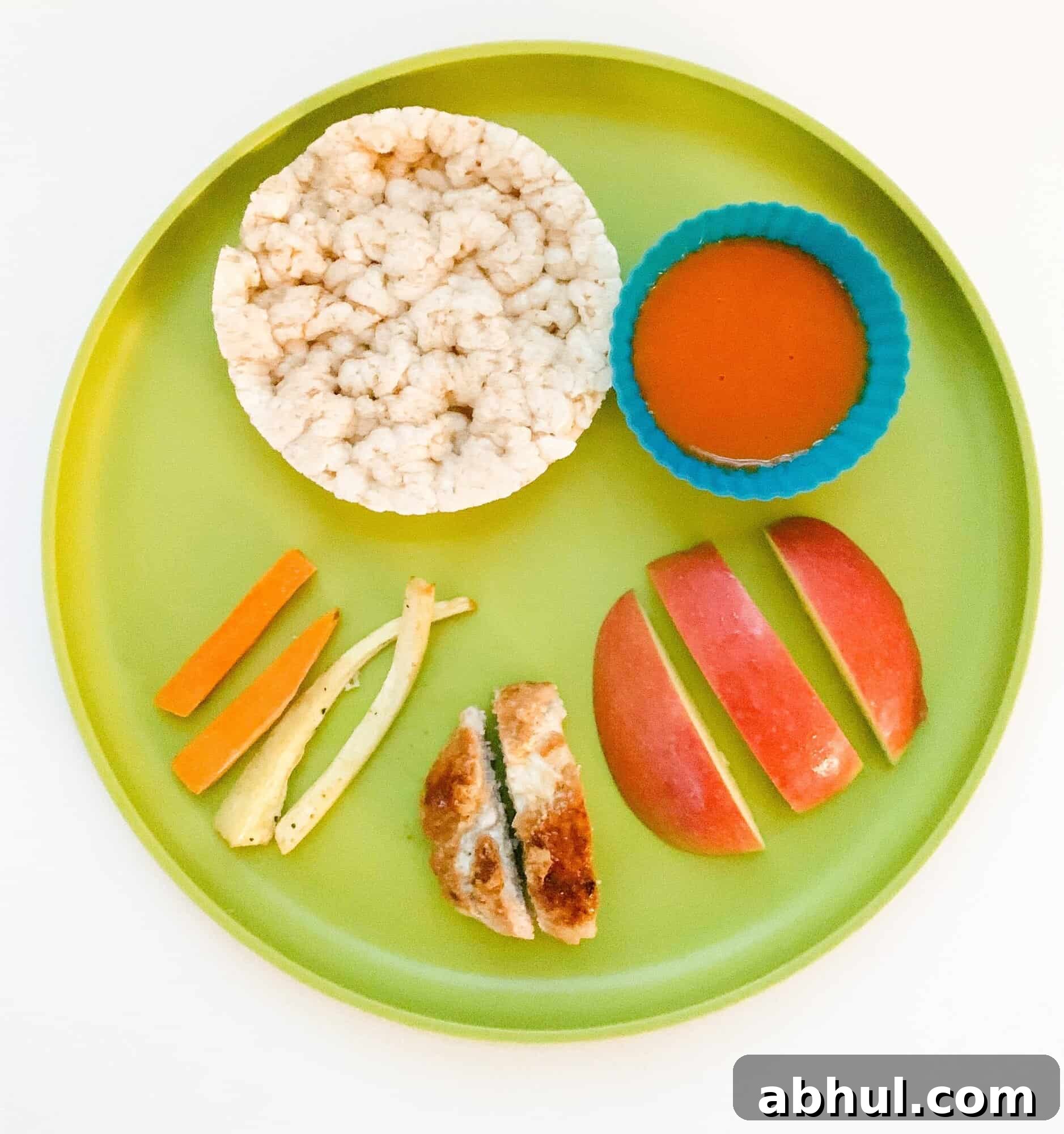
Portion Guide for Pickier Kids
Food they love: starter portion or larger.
Food they generally like: starter portion or slightly smaller.
New or disliked food: tiny bite—the size of a grain of rice—to provide exposure without pressure.
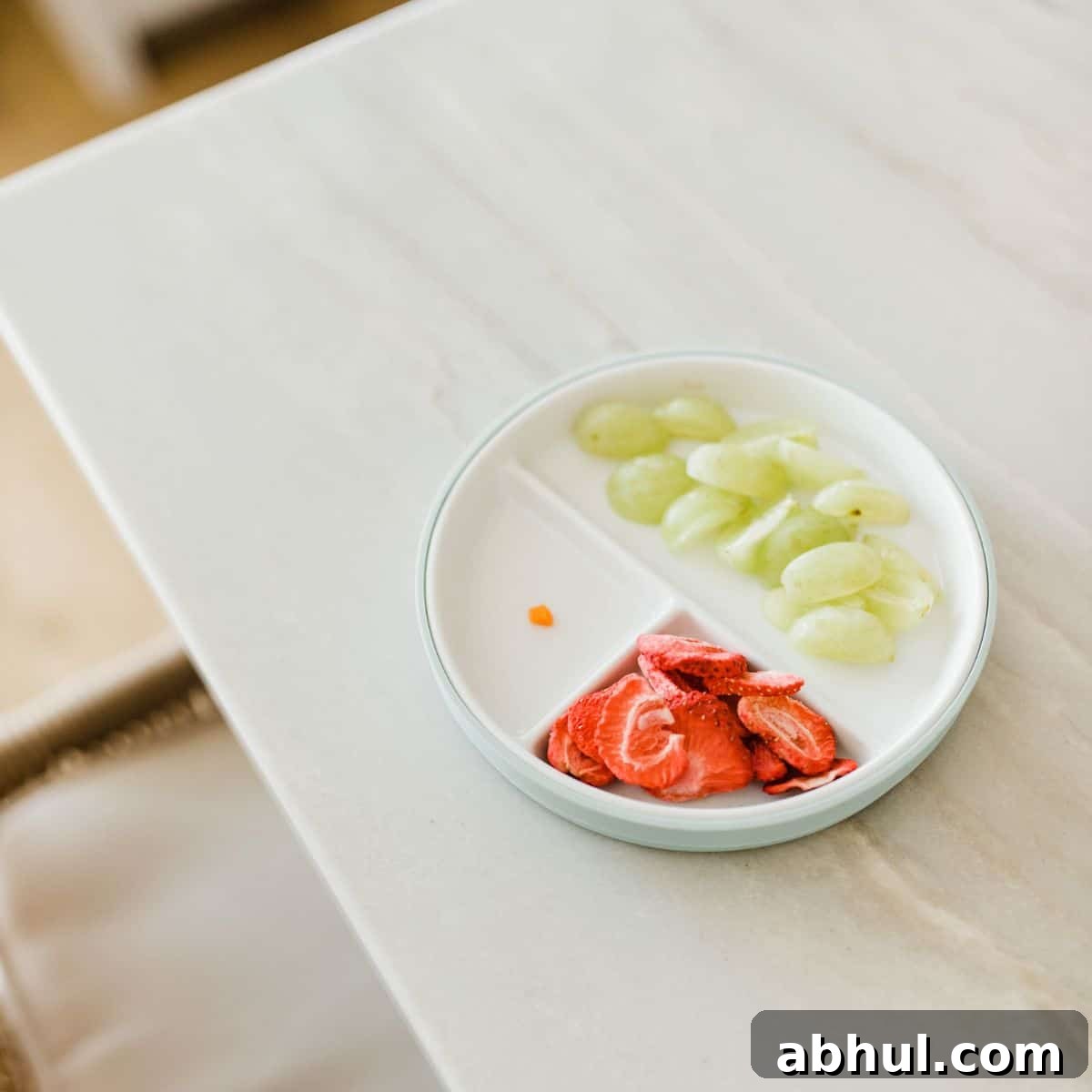
In short: start small, offer variety, and let your child guide how much they need. That approach protects their hunger and fullness cues, reduces mealtime stress, and helps them develop a healthy, trusting relationship with food.