Have you ever wondered why steaks at your favorite steakhouse taste so much better than the ones you make at home? The good news is that many of the techniques used by professional chefs are simple to reproduce in a home kitchen. With a few practical tips—ranging from choosing the right cut to mastering the sear—you can make steakhouse-quality steaks at home, save money, and impress guests.
This guide compiles practical advice from chefs, steakhouse insights, and current home-cooking trends to give you clear, usable steps for better steaks. Follow these tips to improve tenderness, flavor, and presentation without unnecessary complexity.
Table of Contents
Choosing the Right Cut
Selecting the appropriate cut is the foundation of a great steak. Ribeye, sirloin, T-bone, and filet mignon each bring different textures, marbling, and flavor profiles. Ribeye offers rich marbling and flavor, filet mignon is tender and lean, while strip and T-bone balance tenderness and beefy taste. Match the cut to the cooking method you plan to use and to your guests’ preferences to get the best result.
Today’s home cooks also pay attention to sourcing—seeking sustainably raised and well-handled meat. Learning basic cut characteristics makes it easier to choose quality options that suit your budget and taste.
Age Matters
Aging concentrates flavor and improves tenderness by allowing natural enzymes to break down muscle fibers. Dry-aging produces a deeper, nuttier flavor and a firmer exterior, while wet-aging retains moisture and can still enhance tenderness. While traditional dry-aging requires space and time, short wet-aging or controlled at-home aging can also yield noticeable improvements. If you’re curious about aging at home, start conservatively and follow food-safety guidelines.
Marinate with Care
Marinades add flavor and can tenderize tougher cuts when balanced correctly. Acids such as vinegar, citrus juice, or yogurt help break down fibers, but too much acid or marinating for too long can make the texture mealy. For most steaks, a short marinade—30 minutes to a few hours depending on acidity—works well. Alternatively, a simple seasoning of kosher salt applied in advance will enhance flavor and texture without risking over-marinating.
The Perfect Sear
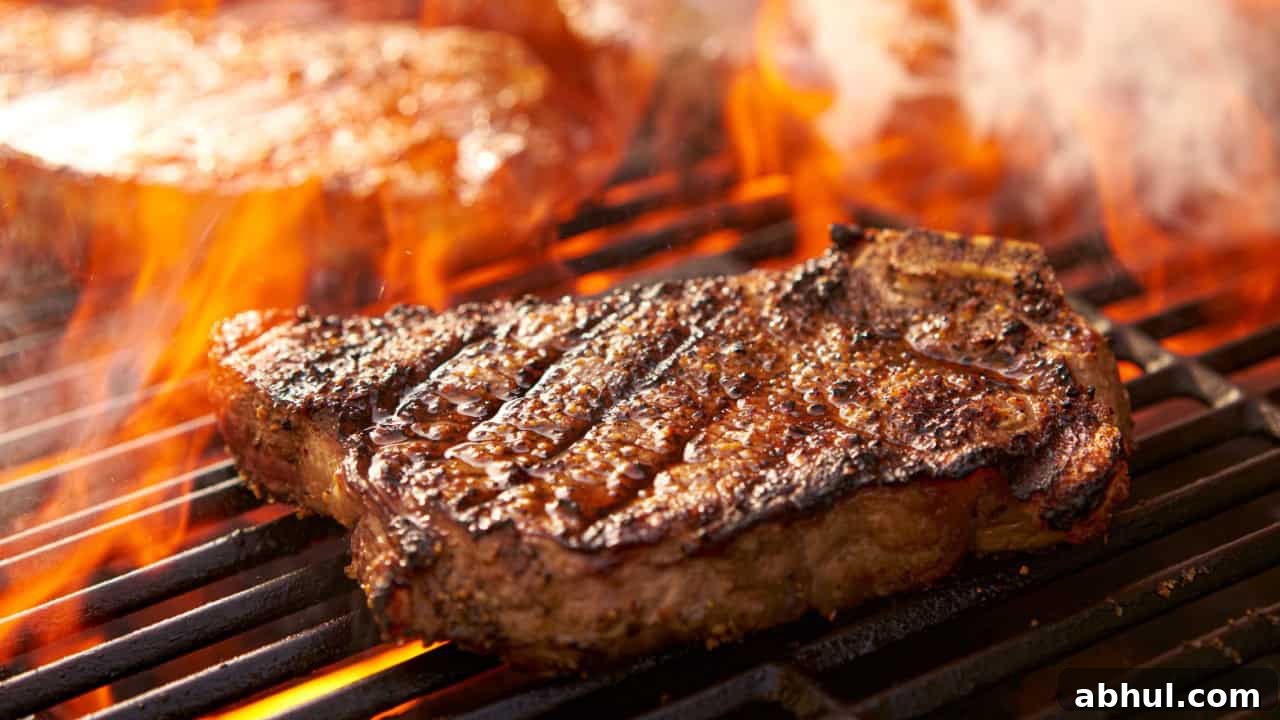
A great sear creates a flavorful crust through the Maillard reaction. Use a very hot pan or grill, dry the surface of the steak, and avoid overcrowding so the meat browns instead of steaming. A heavy skillet—cast iron is ideal—or a hot grill gives the best results. Sear each side for a short time to develop color, then finish to your desired doneness.
Resting Your Steak
Resting is essential. After cooking, let steaks rest for several minutes so juices redistribute instead of running out the moment you cut into them. For most steaks, 5 to 10 minutes is sufficient; thicker cuts may benefit from a longer rest. Resting improves juiciness and flavor and makes each bite more enjoyable.
Know Your Degree of Doneness
Consistent results come from knowing the internal temperatures for doneness. A reliable meat thermometer removes guesswork: rare is around 120–125°F (49–52°C), medium-rare 130–135°F (54–57°C), medium 140–145°F (60–63°C), and well-done higher still. Remember steaks continue to rise a few degrees while resting, so pull them a little early for perfect doneness.
Seasoning is Key
Proper seasoning is deceptively simple and has a big impact. Coarse kosher salt and freshly ground black pepper are classics because they enhance the beef without overpowering it. When to salt matters: salting an hour or more ahead lets salt penetrate and season through, while salting immediately before cooking draws less moisture. Experiment with finishing salts or compound butters for extra nuance once you’ve mastered the basics.
Use the Right Tools
Good tools simplify technique. A heavy skillet or a properly heated grill, a reliable instant-read thermometer, long-handled tongs, and a sturdy cutting board improve control and results. Proper equipment shortens the learning curve and helps you reproduce steakhouse results consistently.
Master the Reverse Sear
The reverse sear is an accessible technique for home cooks: cook the steak slowly at a moderate oven or low grill temperature until nearly at the target internal temperature, then finish with a hot sear for a perfect crust. This method produces even doneness edge-to-center and is especially useful for thicker cuts. It pairs well with sous vide or low-and-slow oven finishes when precision is desired.
Basting for Extra Flavor
Basting with melted butter, garlic, and herbs during the final moments of cooking adds richness and an aromatic finish. Tilt the pan and spoon the hot butter over the steak repeatedly to build flavor and a glossy finish. This small step delivers a restaurant-style touch that elevates both taste and presentation.
By combining thoughtful cut selection, correct seasoning, precise cooking, and simple finishing techniques, you can consistently produce steakhouse-quality results at home. Practice these methods, invest in a couple of reliable tools, and enjoy the process—every great steak starts with a few well-applied basics.