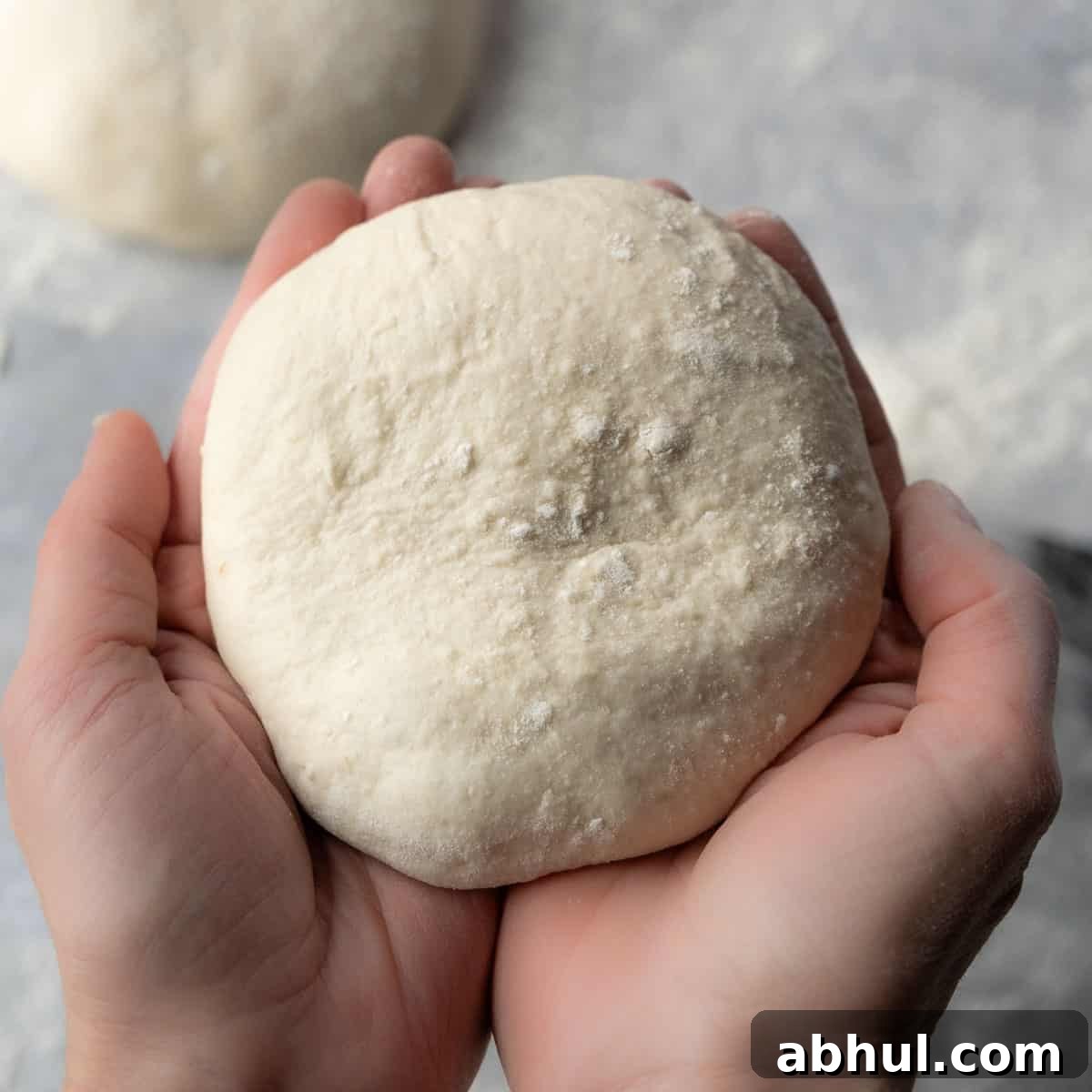
Using this Sourdough Pizza Dough is a delicious way to bring a distinctive, tangy flavor to your favorite pizza recipes. With only flour, salt, water, and an active sourdough starter (or discard), you can make a chewy, crisp-crusted pizza dough that works for everything from a simple Margherita to heartier, topped pies.

Sourdough pizza dough develops a complex, slightly sour flavor thanks to the natural fermentation of the starter. The starter provides lift and structure, producing a tender, elastic interior and a golden, crisp exterior. This dough is a versatile base—use it for New York–style, Neapolitan-style, or any pizza you prefer.
Table of Contents
- Ingredients for Sourdough Pizza Dough
- Dough Hydration or Baker’s Percentage
- Preparation
- How to Make Sourdough Pizza Dough
- Chef Tip
- Frequently Asked Questions (FAQ)
- Make Ahead Notes
- What To Make With This Pizza Dough
- Tools Used
- Sourdough Pizza Dough Recipe
Ingredients for Sourdough Pizza Dough
Full measurements are listed in the recipe card below.
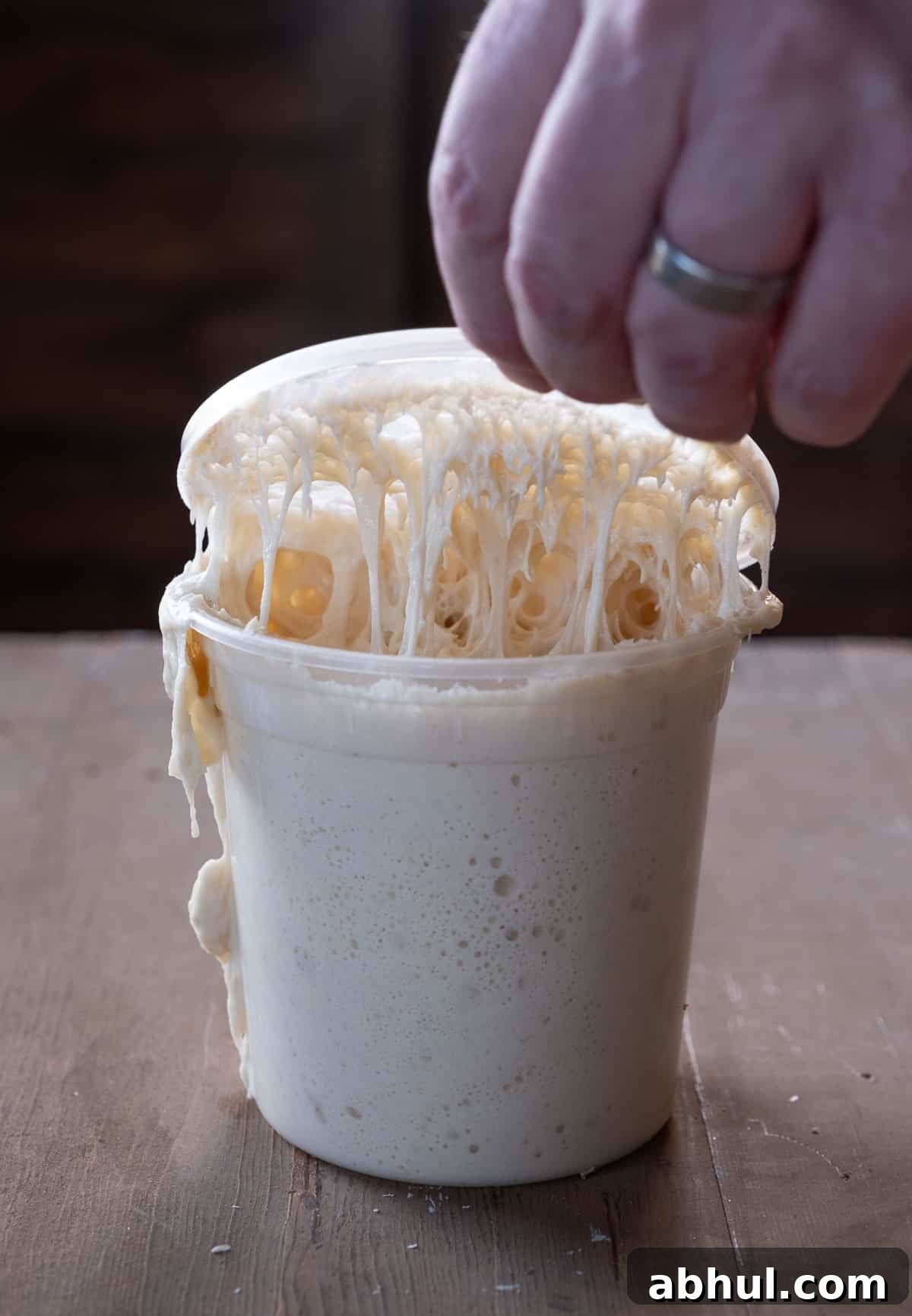
- Sourdough starter – Use an active, recently fed starter for best rise, or use discard if you prefer a milder tang.
- Water – Warm water between 90–110°F helps activate the starter and jump-start fermentation. Filtered water is optional if your tap has a strong taste.
- Flour – Bread flour gives the best chew and structure thanks to higher protein. All-purpose flour will work but will produce a softer crumb.
- Kosher salt – Balances fermentation and seasons the dough. Use a labeled kosher salt (brands vary by grain size and saltiness).
Dough Hydration or Baker’s Percentage
Hydration is the ratio of water weight to flour weight. This dough uses a 67% hydration, ideal for New York–style and many Neapolitan-style crusts. In practice that’s 335–350 g water to 500 g flour, depending on your flour’s absorption.
Water weight ÷ Flour weight = Baker’s percentage
Simple hydration formula
Preparation
Weighing ingredients with a digital scale produces consistent results; cups vary by packing and flour type. Measure each ingredient and set them aside before mixing.
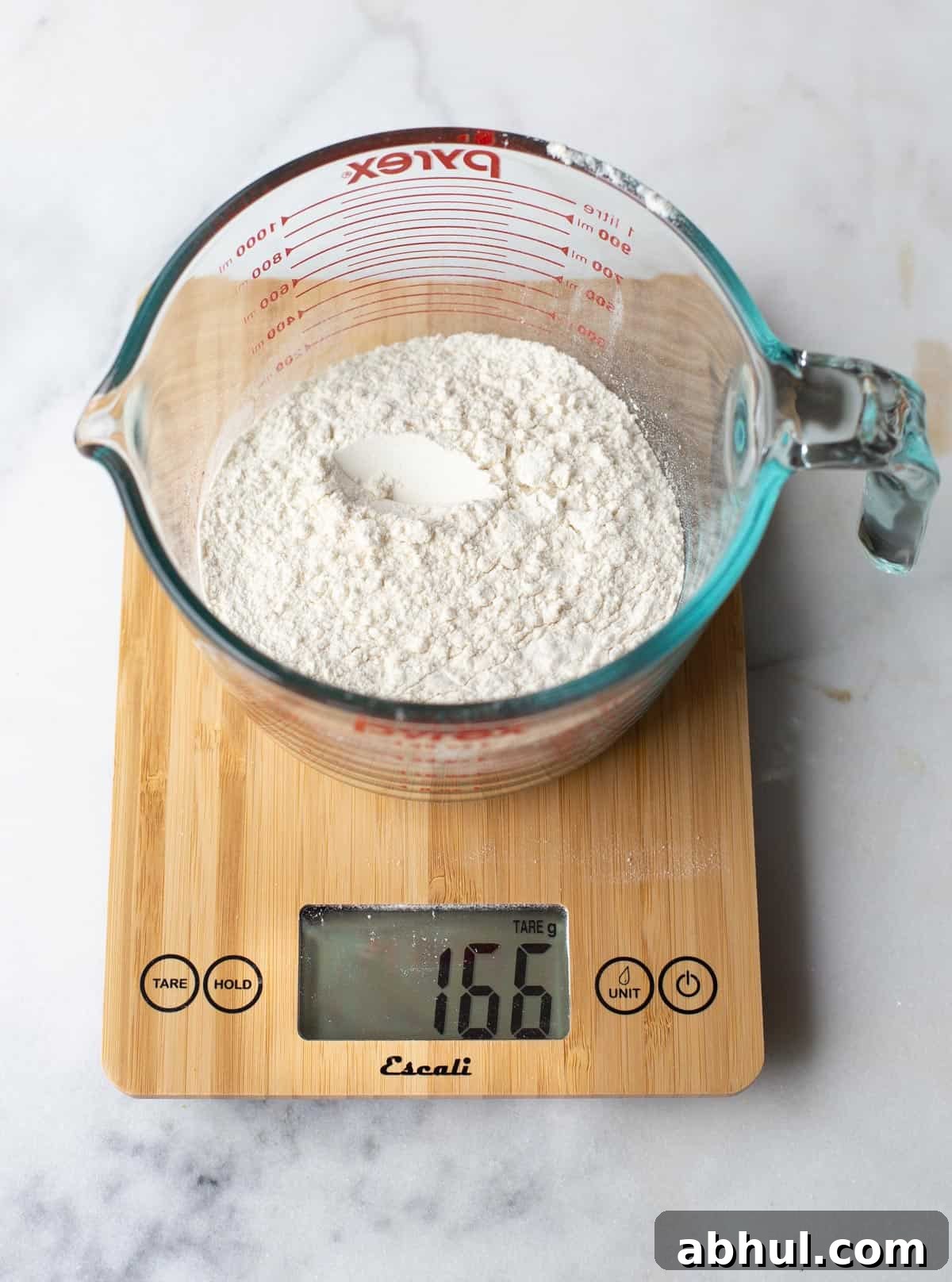
Use a clean work surface and lightly flour your board when ready to knead. Accurate weighing and controlled temperatures lead to reliable fermentation and texture.
How to Make Sourdough Pizza Dough
- Combine the sourdough starter and warm water in a large bowl and whisk to blend. Add the flour and salt, then mix with your hands until a shaggy dough forms. The dough should be slightly sticky; if it’s overly wet, add a tablespoon of flour at a time until it’s manageable. A stand mixer with a dough hook can be used, but hand mixing works well and reduces cleanup.
- Let the dough rest for 20 minutes to allow the flour to hydrate and the starter to start integrating. Dust a board lightly with flour and knead the dough 4–5 times with the palms of your hands. Return the dough to the bowl, cover, and let it ferment until doubled, about 2 to 2½ hours at room temperature.
- After the first rise, turn the dough onto a floured board and divide it into three equal portions using a dough scraper or spatula.
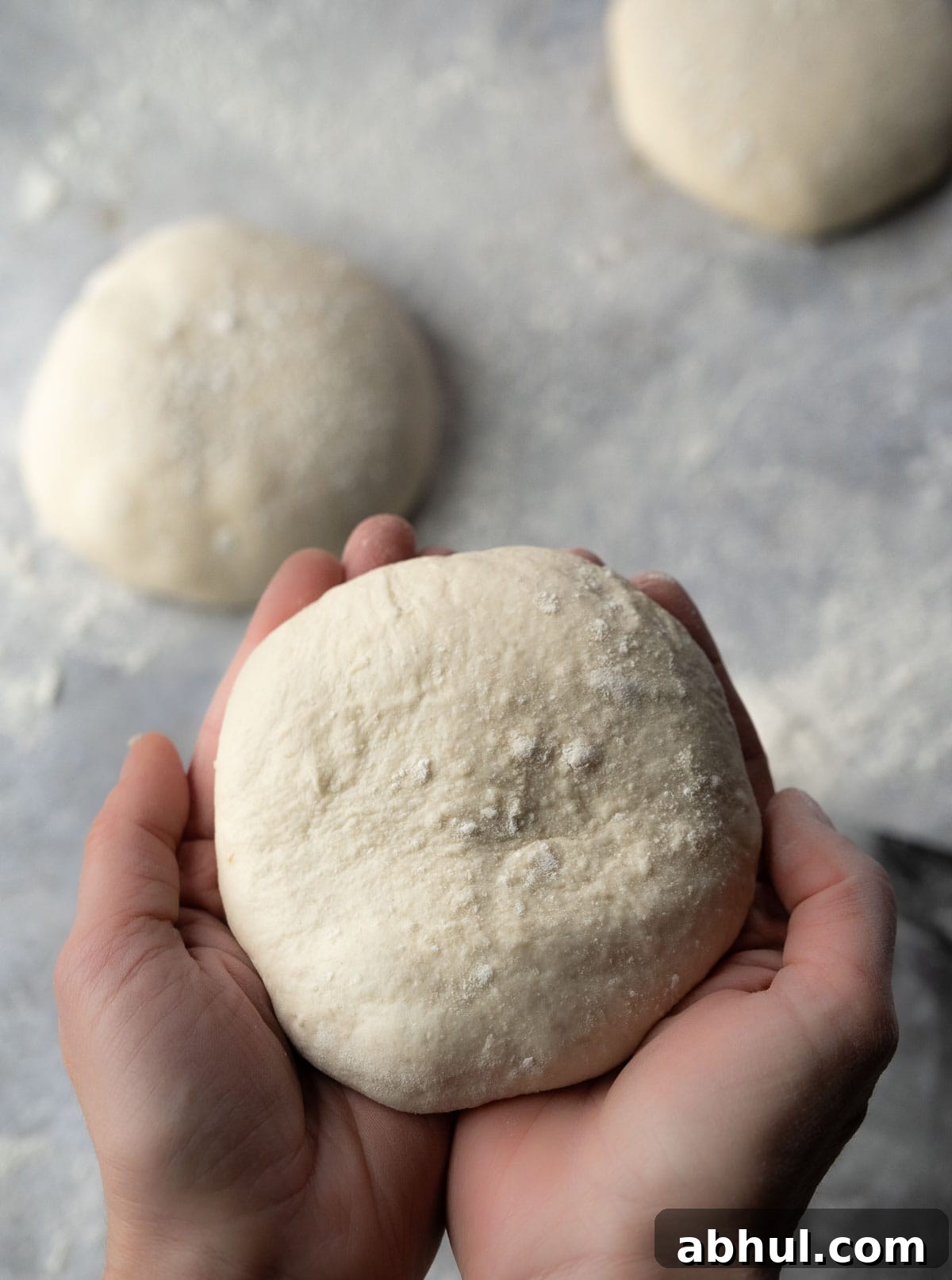
- Shape each portion into a tight dough ball by folding and tucking edges underneath, then give each one four gentle palm kneads to smooth. Place the balls in a proofing container or on a floured sheet tray.
- Dust the tops with flour to prevent sticking, then cover with plastic wrap or a proofing lid.
- Allow the dough to proof for at least 4 hours until puffy and relaxed. At this point they are ready to shape into pizzas.
Tip: For cold fermentation, complete the first fermentation, form dough balls, then refrigerate for 24–72 hours. Remove dough from the fridge 2 hours before use so it comes to room temperature for easy shaping.
Chef Tip
Ideal proofing temperature is 70–78°F. If your home is cooler, turn the oven light on and proof inside—the residual heat typically keeps the oven around 75°F. Use a proofing drawer if available.
Frequently Asked Questions (FAQ)
No. Bakers calculate hydration using only the water weight divided by the flour weight; starter is not included in that percentage.
Yes. Sourdough adds a richer, tangier flavor and a pleasant chew. Many bakers prefer it to dough made with commercial yeast.
Regular dough uses commercial yeast for fermentation; sourdough relies on wild yeasts and bacteria in the starter, producing a distinct flavor while maintaining similar stretch and structure.
Yes. “00” flour is finely milled and hydrates well. If using it, consider slightly lowering hydration—ideally under 67%—to keep the dough manageable.
Make Ahead Notes
You can freeze dough for up to three months. For best results, freeze before the second fermentation. Thaw in the refrigerator for 24 hours, then bring to room temperature about 2 hours before shaping.
What To Make With This Pizza Dough
Besides classic pizzas, use this dough for garlic knots, calzones, or focaccia-style flatbreads. Keep toppings light so the pie slides easily from the peel and bakes evenly.
Try a simple no-cook tomato sauce or a white sauce as a base, then add fresh cheeses, herbs, and your preferred toppings. A grilled romaine Caesar pairs nicely alongside any pizza.
Tools Used
- Digital scale – for accurate ingredient weights and consistent dough.
- Instant-read thermometer – to check water temperature for optimal fermentation.

Sourdough Pizza Dough Recipe
Pin Recipe
Rate Recipe
Print Recipe
Equipment
-
1 digital scale
-
1 instant-read thermometer
Ingredients
- 100 grams sourdough starter (about 1/3 cup)
- 500 grams bread flour (about 4 loose cups)
- 11 grams kosher salt (about 1 tbsp)
- 335 grams water (90–110°F)
Instructions
-
In a large bowl, whisk starter and warm water together. Add flour and salt, then mix until a shaggy dough forms. Adjust with a little flour if excessively sticky.
-
Rest 20 minutes, then knead briefly on a floured surface (4–5 palm kneads). Return to the bowl, cover, and ferment until doubled, about 2–2½ hours.
-
Turn the dough onto a floured board and divide into three equal pieces using a scraper.
-
Shape each piece into a tight ball, knead gently four times, and place in a proofing container or on a floured tray.
-
Important: Dust tops with flour to prevent sticking, then cover.
-
Proof for at least 4 hours until puffy. After proofing, the dough is ready to shape and bake.
Nutrition
Nutrition information is automatically calculated and should be used as an approximation.