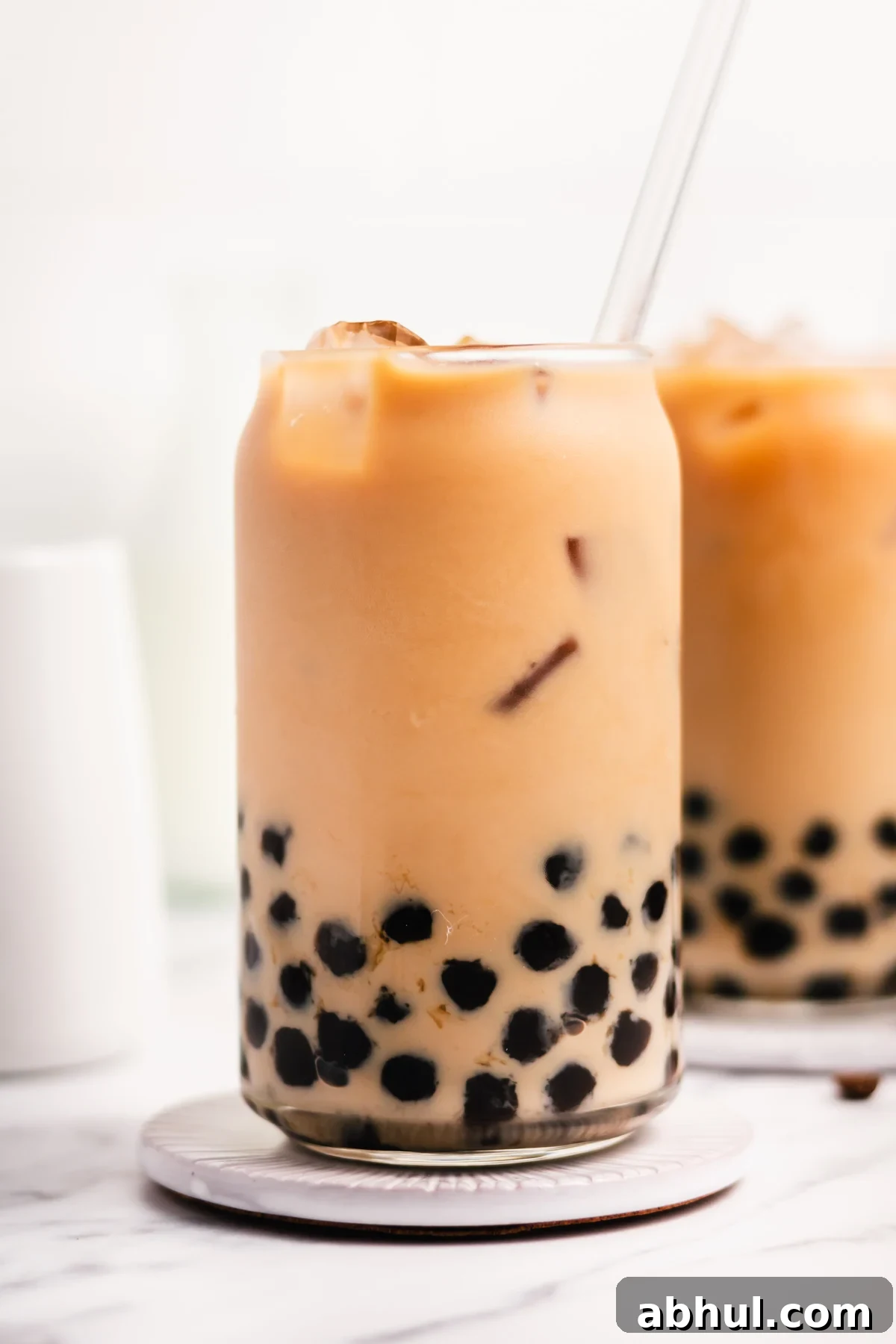
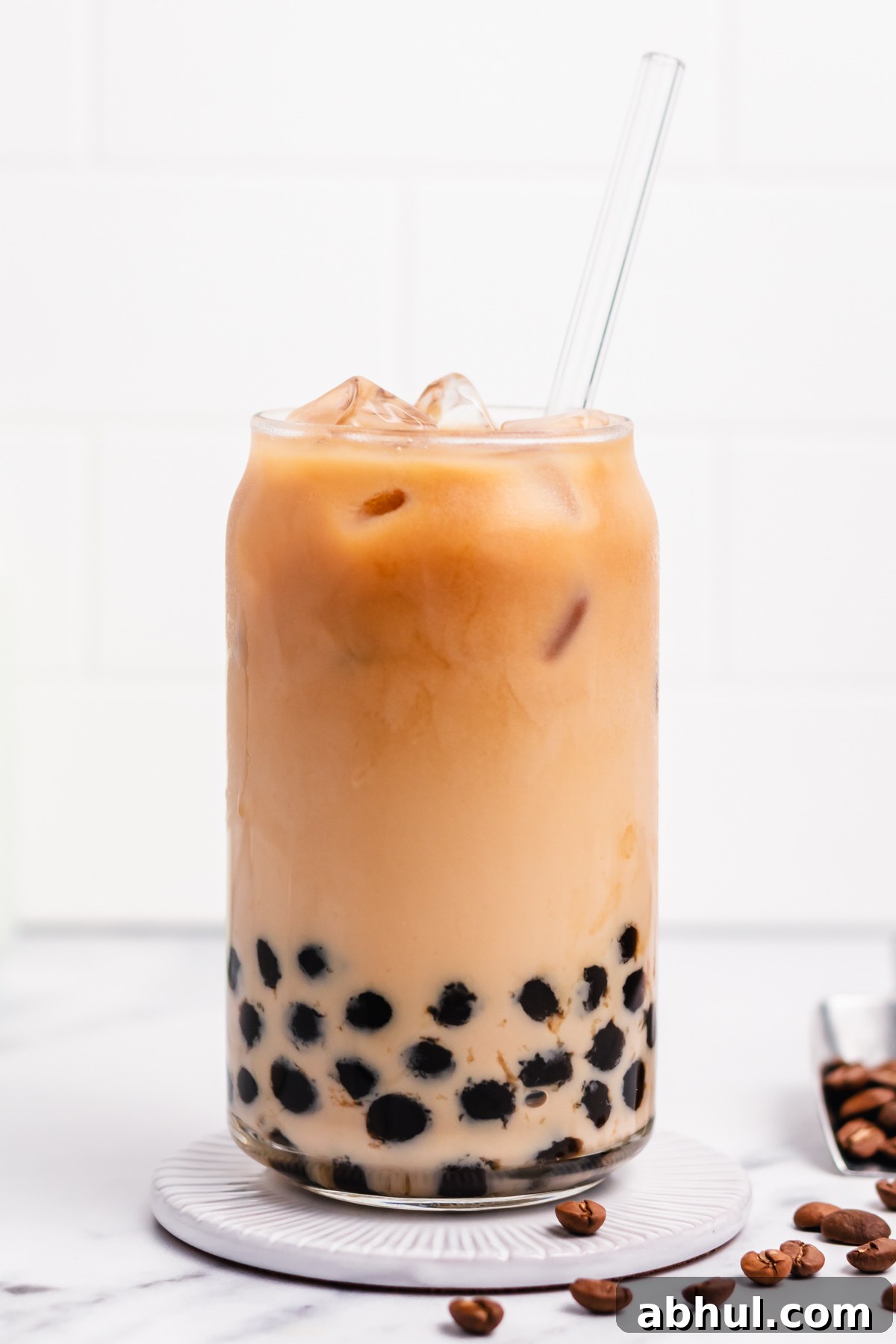
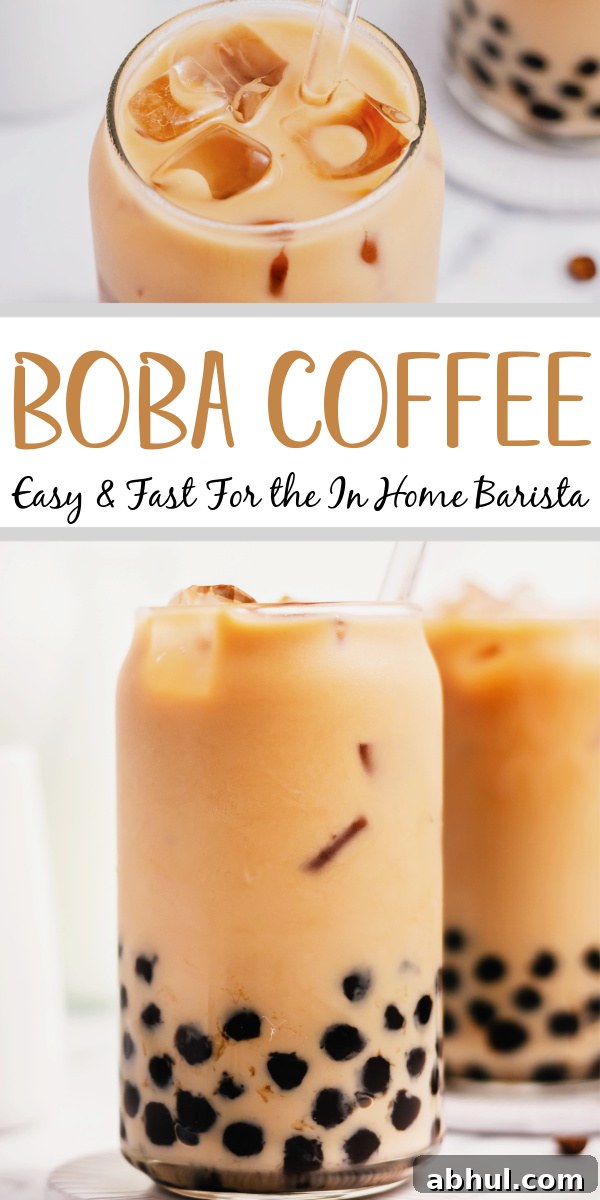
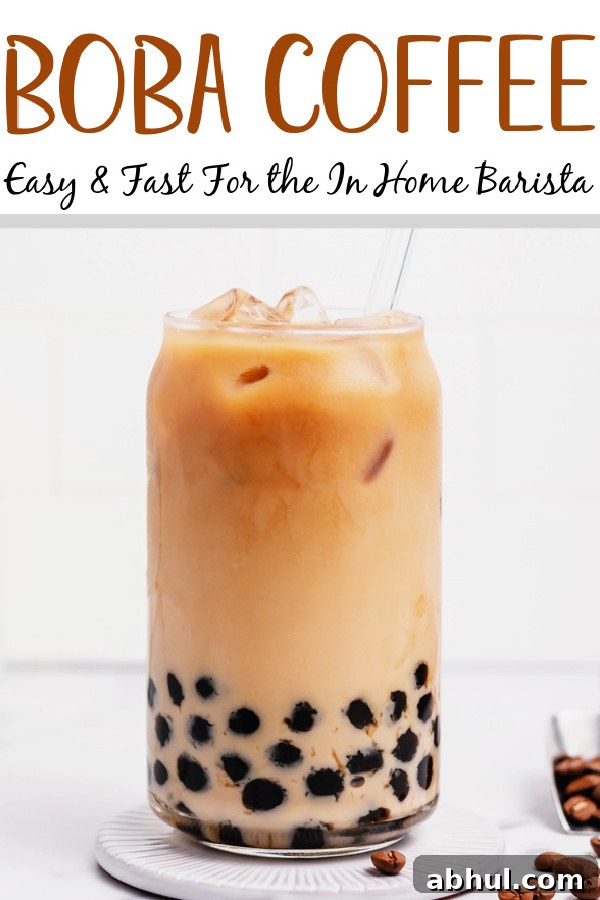
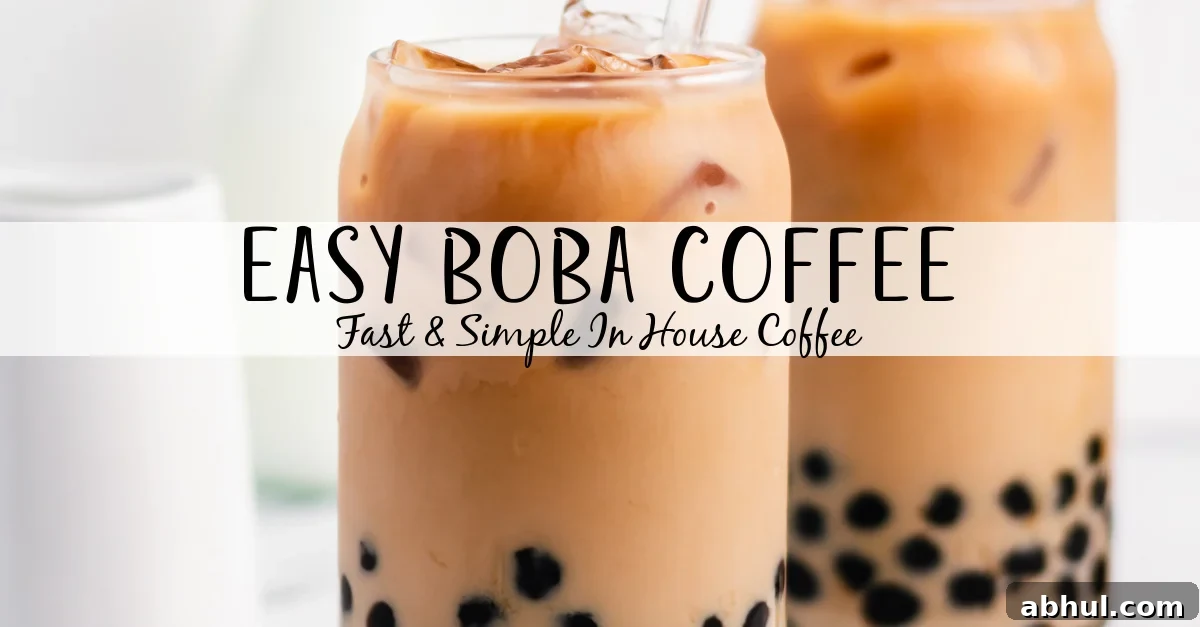
This boba coffee recipe is naturally gluten-free and can easily be made dairy-free. With just four main ingredients, it produces a refreshing, visually appealing drink you can prepare quickly at home. Making bubble coffee yourself saves money and lets you customize the flavor to suit your tastes—from breakfast through the evening.
Why You’ll Love This Boba Coffee Recipe
This bubble coffee is quick, easy, and flexible. It’s naturally gluten-free and simple to make dairy-free by swapping the cream for a plant milk. The recipe works well with leftover brewed coffee or with freshly brewed coffee that has been cooled. Whether you prefer cold brew, French press, Aeropress, or espresso diluted and cooled, the drink adapts to your preferred brew method.
Making bubble coffee at home is cost-effective and impressive for guests thanks to its striking appearance. The basic template here is intentionally adaptable: change the sweetness, try different milks or creamers, and adjust the amount of pearls to suit your preference.
Boba Coffee Ingredients
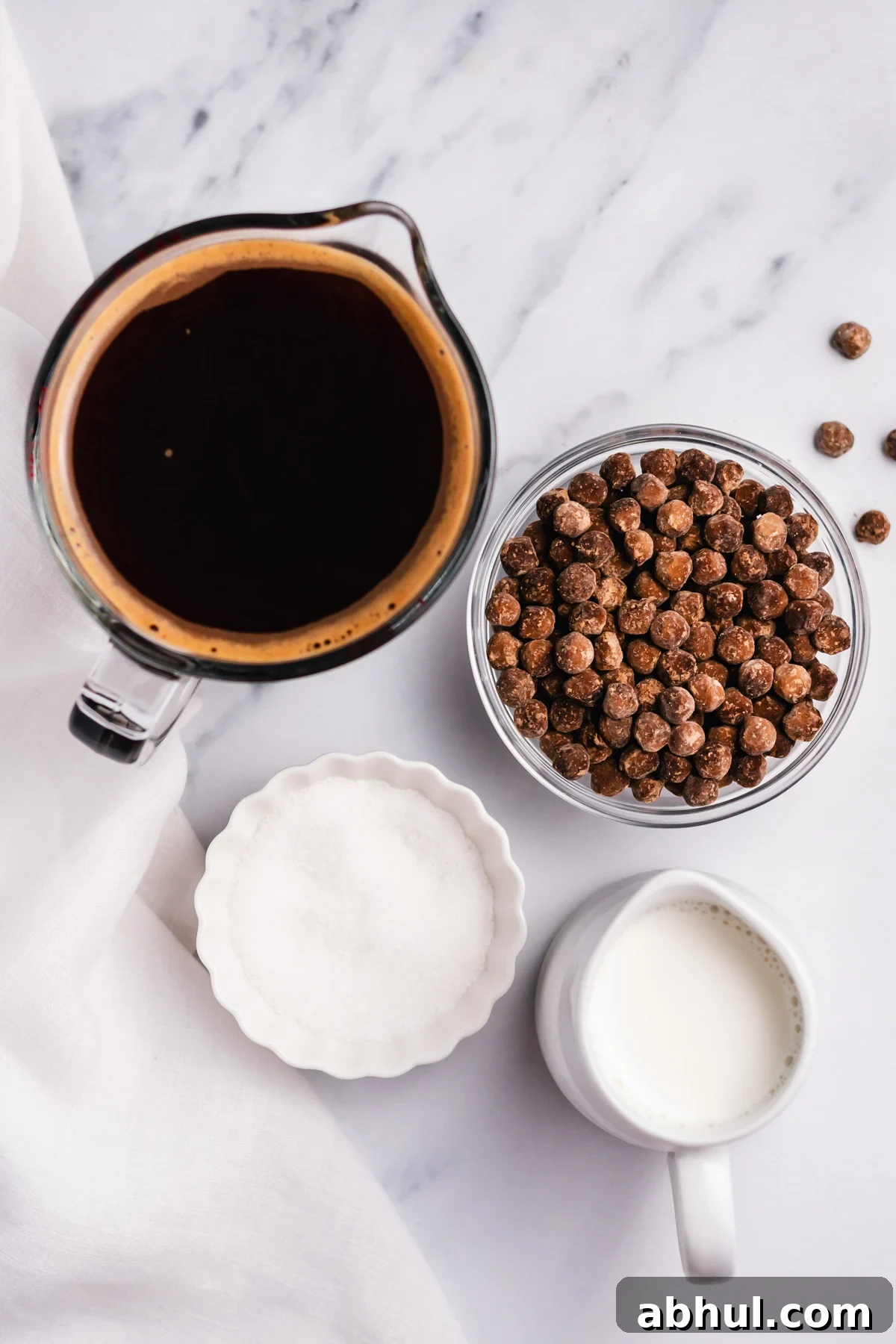
You only need a few simple ingredients: cooked tapioca pearls, coffee, cream or milk, and a sweetener. Quantities below are a guideline and can be adjusted to taste.
Tapioca Pearls
Tapioca pearls (boba) can be store-bought or homemade. Cook them per package instructions—smaller pearls usually boil 5–10 minutes, larger ones 10–15 minutes—then cool them in an ice bath to stop cooking and firm their texture.
Brewed Coffee
Use cold brew, chilled leftover coffee, or coffee brewed hot and cooled in advance. Espresso can be used if diluted or cooled. The coffee base should be cold so the drink stays refreshing and the pearls maintain their chew.
Milk/Cream
Choose heavy cream, whole milk, or any plant milk you like—almond, oat, or coconut all work well. The milk choice changes the mouthfeel and sweetness, so pick what you enjoy.
Sweeteners
Granulated sugar is traditional, but honey, brown sugar, or coconut sugar are excellent substitutes. If using plant milks like oat milk, try honey or brown sugar for a more rounded flavor.
What Are Tapioca Pearls?
Tapioca pearls are small, chewy spheres made from tapioca starch (cassava). They are commonly cooked in sugar syrup or simmered with brown sugar and often colored dark by that syrup or caramel coloring. Originating in Taiwan, boba pearls are the defining element of bubble tea and are now readily available worldwide.
How to Make Boba Coffee
Gather your ingredients and ensure the coffee is chilled. If your tapioca pearls are uncooked, boil them according to package directions until they float and reach the recommended cook time. Transfer the pearls to an ice bath to stop the cooking and cool them quickly.
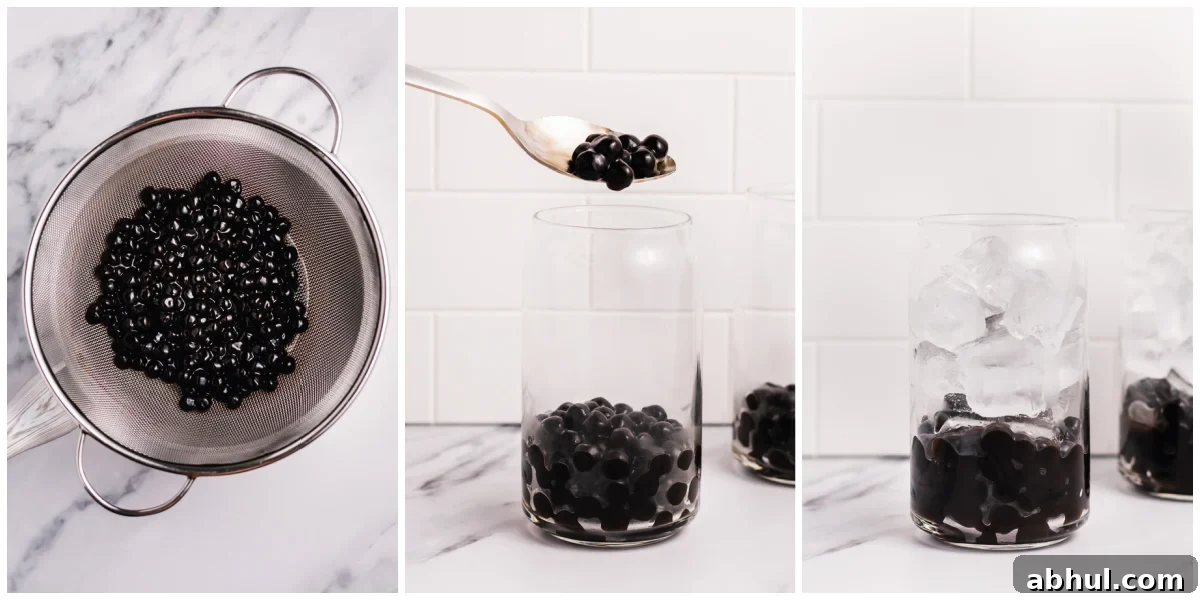
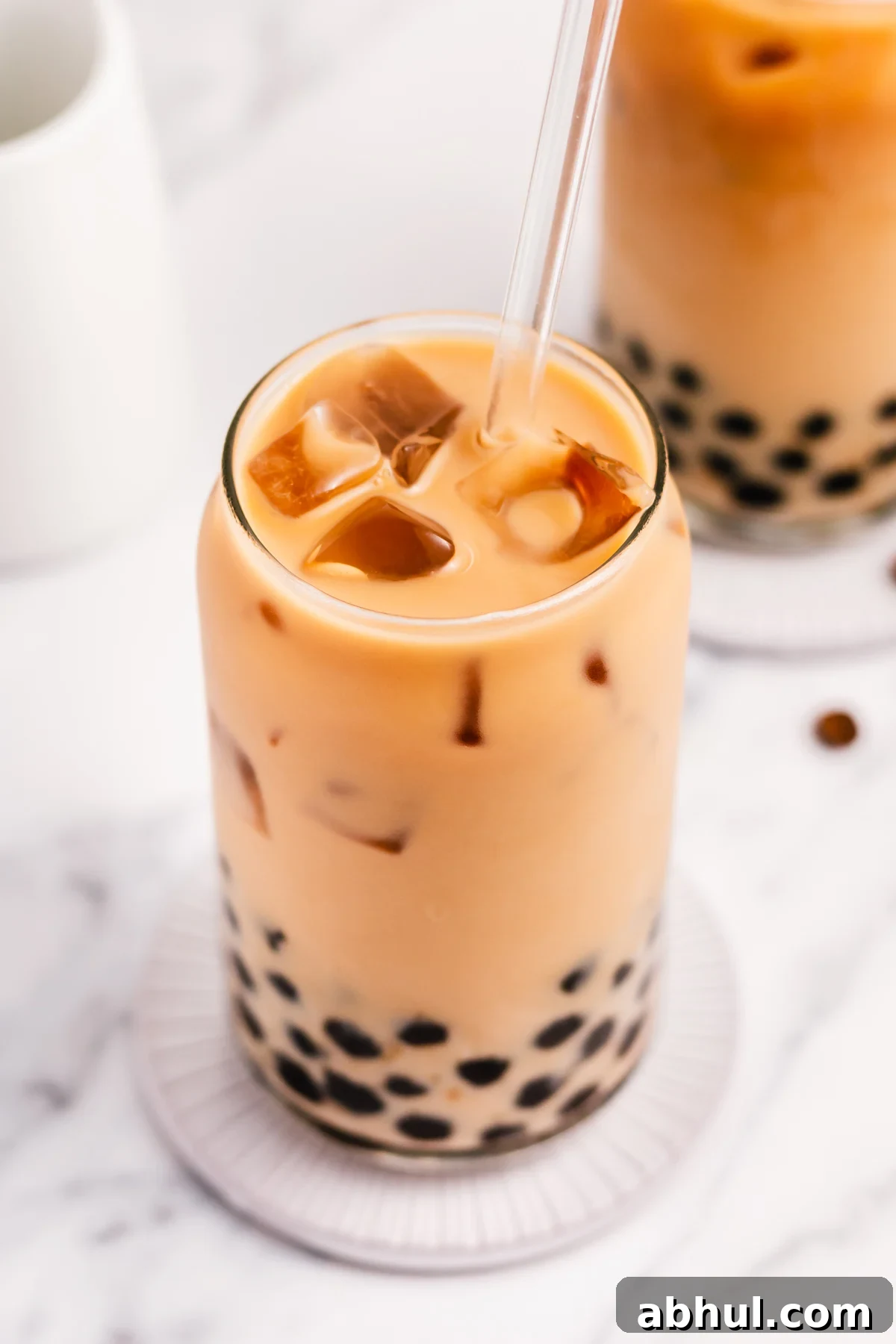
Drain the pearls and distribute them among glasses. Mix your sweetener into the cream or milk until dissolved—honey blends especially well with oat milk, while coconut sugar pairs nicely with almond milk. Fill each glass halfway with ice, add the pearls, pour coffee until the glass is about three-quarters full, and top with the milk or cream mixture.
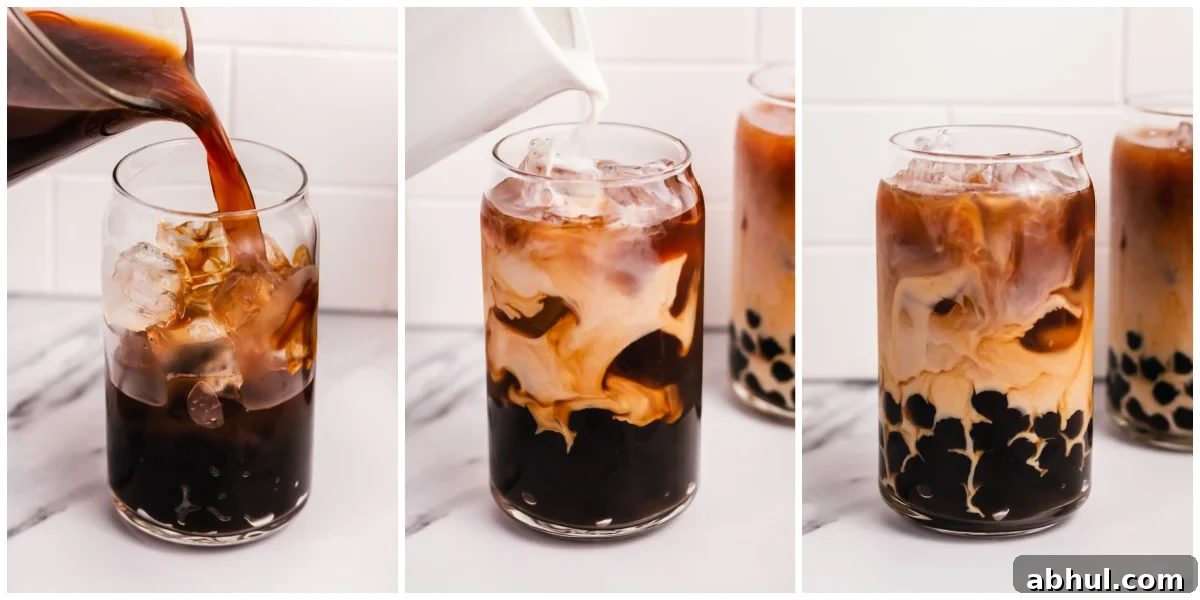
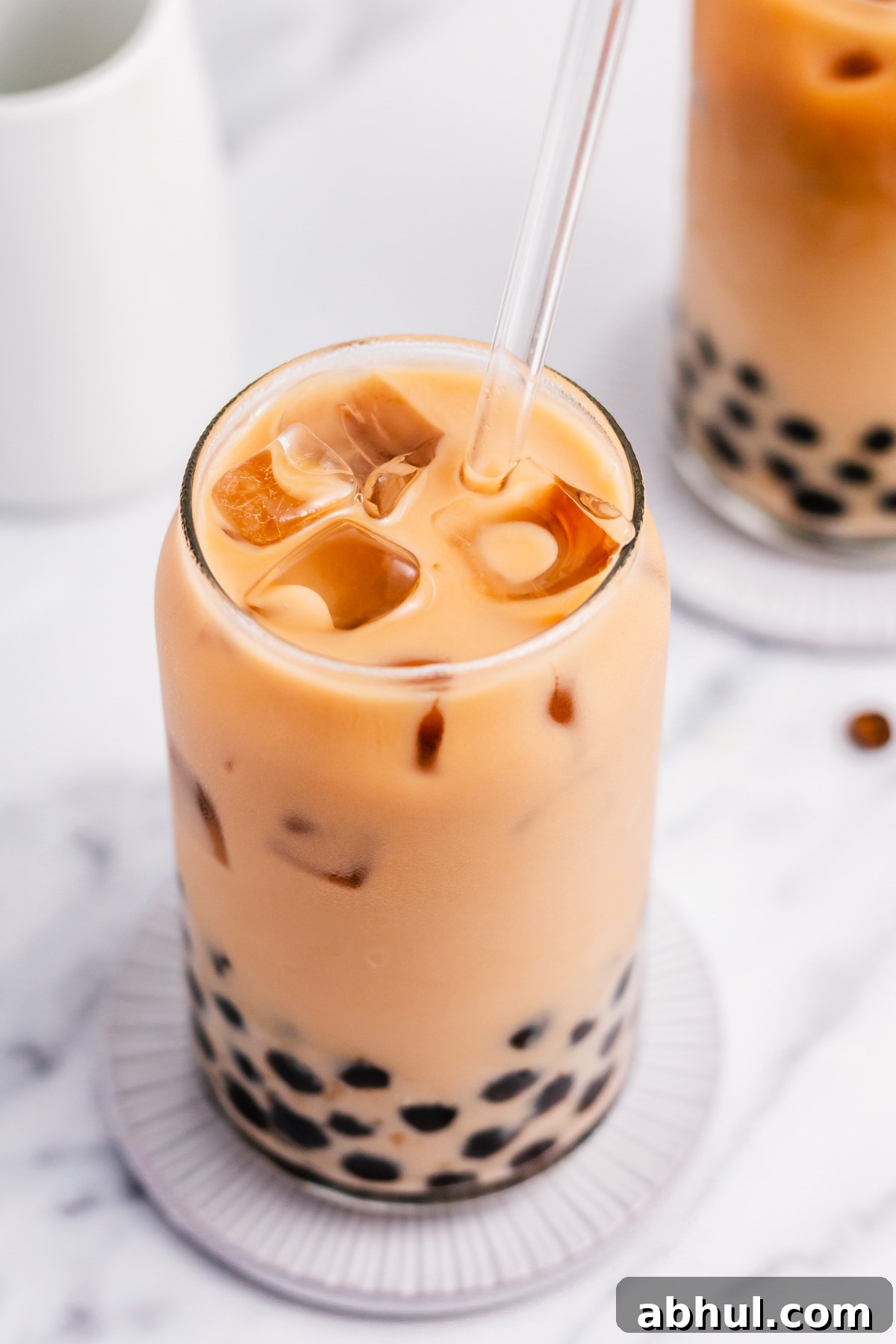
Stir gently if desired, admire the layered look, and enjoy.
Serving and Storage
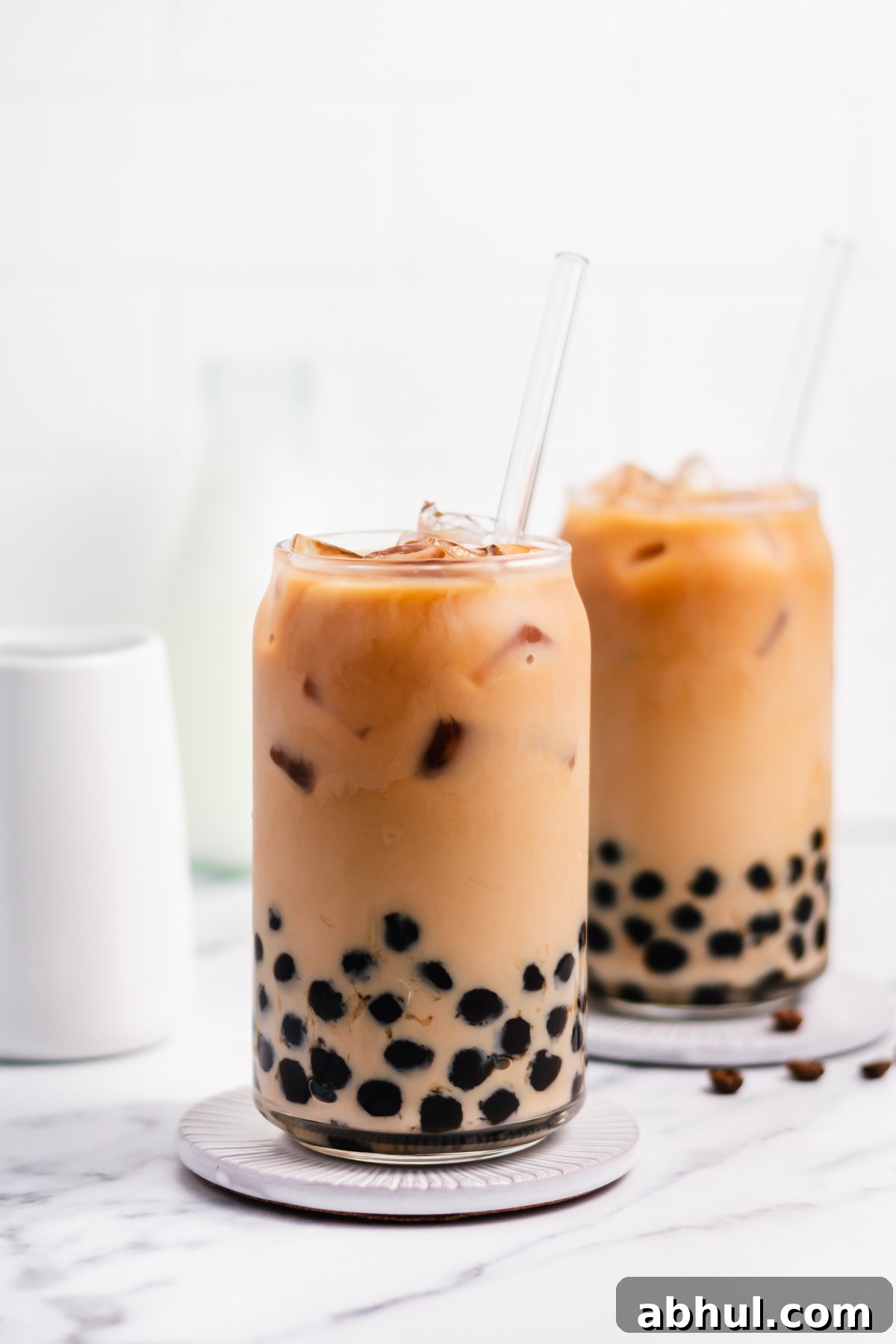
Serve boba coffee over ice as a midday treat or a morning pick-me-up. Garnish with a sprinkle of cinnamon or a holiday peppermint stick for a seasonal twist. This drink is best fresh, but if refrigerated it will keep for about 24 hours. For best texture, store cooked boba separately at room temperature (not refrigerated) and combine with the coffee and creamer just before serving—use the pearls within about four hours of cooking unless you plan to freeze them.
Frequently Asked Questions
How do I cook boba?
Boil the pearls in plenty of water until they float and reach the recommended texture—usually 5–10 minutes for small pearls and 10–15 minutes for larger ones. Follow brand-specific instructions when provided. After cooking, cool them in an ice bath to stop cooking and set the texture.
What is in boba?
Tapioca pearls are made from tapioca (cassava) starch, water, and typically some sweetener. They are chewy and often simmered in sugar or brown sugar syrup.
Why are boba pearls black?
The dark color usually comes from the brown sugar syrup used in cooking or from caramel coloring added during production; this also contributes to their sweet, caramel-like flavor.
How did boba start?
Boba originated in Taiwan in the 1980s when tapioca pearls were combined with tea to create the drink now known as bubble tea or boba tea. From there it spread internationally and inspired many variations, including coffee-based versions.
Other Breakfast Recipes You’ll Love!
- Country Potatoes, Bacon, and Eggs
- Homemade Whole30 Breakfast Sausage
- Sausage and Sweet Potato Skillet
- Mixed Berry Baked Oatmeal
- Peanut Butter Avocado Toast
Boba Coffee
Boba coffee is naturally gluten-free and can be dairy-free. With four simple ingredients you’ll have a refreshing, customizable drink that’s easy to make at home and perfect for any time of day.
- Author: Bailey
- Prep Time: 5 mins
- Cook Time: 0 mins
- Total Time: 5 minutes
- Yield: 2
- Category: Meatless
- Method: Stovetop
- Cuisine: American (Taiwanese Inspired)
- Diet: Gluten Free
Ingredients
- 1/2 cup cooked black tapioca pearls (5-minute boil type)
- 2–3 tablespoons sugar (or substitute honey, brown sugar, or coconut sugar)
- 3 cups cold coffee or cold brew
- 1 cup heavy cream or 1 cup almond/coconut/oat milk for dairy-free
Instructions
- Cook tapioca pearls according to package directions until they float and are cooked through.
- Transfer pearls to an ice bath or very cold water to stop cooking, then drain.
- Mix the sugar with the cream or your chosen milk until dissolved.
- Divide pearls into glasses and fill each glass halfway with ice.
- Pour coffee until the glass is 3/4 full, then top with the cream or milk mixture and serve.
Notes
- Swap sugar for honey, brown sugar, or coconut sugar to change the flavor profile.
- Use almond, coconut, or oat milk in place of heavy cream to make this dairy-free and lighter.
This post may contain affiliate links for products the author uses and recommends. Purchases made through those links help support the site at no extra cost to you. Thank you for your support.