We’ve lived with the pandemic for more than a year, and many of us still wonder about everyday activities like grocery shopping and dining out. Is it safe? Is there a risk of catching COVID-19 from food or surfaces? This week I speak with Dr. Ben Chapman, PhD, a Food Safety Extension Specialist at North Carolina State University, to answer these questions. Dr. Chapman explains the latest evidence on food safety and COVID-19, addresses listener questions, and describes practical steps retailers, the meat industry, and consumers are taking to reduce risk.
Love the LHT podcast?
Subscribe on Apple Podcasts and post a reviewSubscribe on Stitcher and post a review
Dr. Ben Chapman studies pathogens and public health with the aim of reducing foodborne illness. A professor at NC State, he holds a BS in Molecular Biology and Genetics and advanced degrees in Plant Agriculture. His team contributes to FoodCoVNET, a project that compiles evidence-based information to reduce fears about the food supply and the community spread of SARS-CoV-2.
“We found that washing meat and poultry before prepping only increases the risk of foodborne illness, and it doesn’t decrease the risk.”
– Ben Chapman, PhD
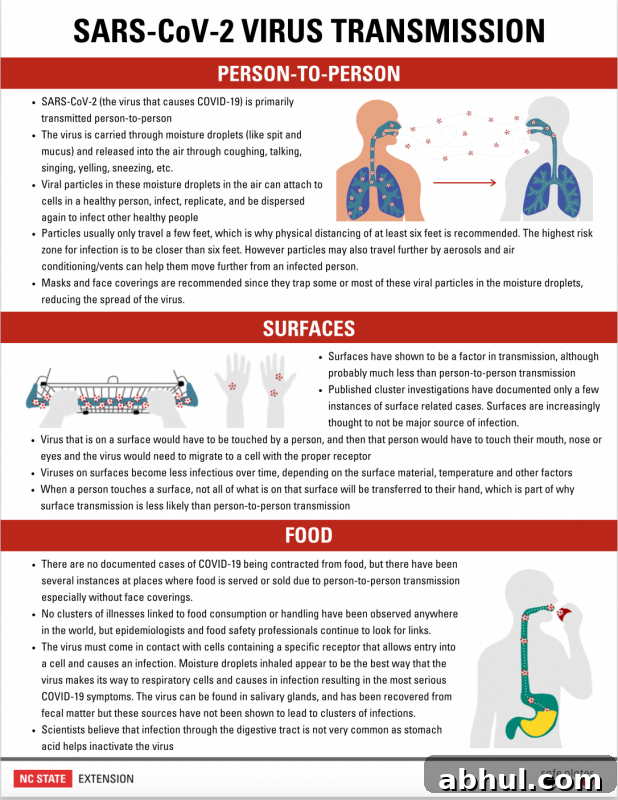
Below is a clear, practical summary of how COVID-19 relates to food safety and transmission. The guidance is based on current scientific understanding and is meant to help you make informed decisions at the grocery store, when ordering takeout, or dining in restaurants.
Key points from the conversation:
- About Dr. Chapman: Originally from Toronto, he has been on faculty at NC State for over a decade and lives in Raleigh with his family.
- Research focus: How consumer food preparation behaviors influence food safety, and how to reduce everyday risks of foodborne illness.
- Podcasts: Dr. Chapman hosts Food Safety Talk and the Risky or Not series, where he discusses practical risk communication and food-safety topics.
- FoodCoVNET: A centralized source of evidence-based information on food safety and COVID-19.
- Transmission basics: Respiratory viruses spread mainly through inhalation of infectious particles in shared indoor air; surface transmission is far less common for SARS-CoV-2 than airborne spread.
- Differences from common foodborne pathogens: Norovirus and Salmonella typically spread by ingestion and contaminated food handling, whereas COVID-19 is primarily a respiratory infection.
- Grocery carts and surfaces: While surfaces can harbor pathogens, the leading risk is exposure to infected people and their exhaled particles. Good hand hygiene is important, but extensive surface disinfection of every item is usually unnecessary.
- Washing raw meat: Rinsing meat or poultry under running water can spread bacteria around the kitchen and increase the risk of foodborne illness; proper cooking kills pathogens, so avoid washing raw meat.
- Hygiene versus theatre: Routine cleaning and handwashing are effective and sensible. Excessive sanitizing of every surface may provide reassurance but does not meaningfully reduce the dominant airborne risk if close contact and shared indoor air persist.
- Food handled by others: If a server or kitchen worker coughs on food, there is potential risk, but the primary concern remains proximity and shared air. Proper food handling practices and staff health screening are critical.
- Groceries and takeout: You generally do not need to wipe down all groceries. Practice hand hygiene after handling packages and before eating or preparing food.
- Indoor vs. outdoor dining: Outdoor dining lowers risk because of better ventilation and dilution of respiratory particles. Indoor dining becomes safer as vaccination coverage increases and community transmission falls, but ventilation and masking policies still matter.
- New variants: Current evidence continues to show airborne transmission as the main route. Variants that are more transmissible still spread predominantly through the air rather than through food or surface contact.
- Meat processing plants: The industry has adopted measures to protect workers and reduce transmission risk, including workplace controls, testing, and improved distancing and ventilation.
- Takeaway message: The biggest risk in this pandemic is shared air with other people. Routine food-safety practices—washing hands, cleaning food-contact surfaces appropriately, and following safe cooking temperatures—remain effective at reducing foodborne risks in addition to precautions that limit respiratory exposure.
Resources and further reading:
FoodCoVNET: www.foodcov.net
NC State Food Safety: https://foodsafety.ces.ncsu.edu/
Dr. Chapman’s podcasts and social accounts:
Food Safety Talk
Risky or Not
Twitter: @benjaminchapman, @foodcovnet, @safeplatesFSIC
Instagram: @barfblogben, @foodcovnet
Blog: Barfblog.com
Join the conversation:
Connect with Liz’s Podcast Posse on Facebook to ask questions or suggest guests. If you have a question about the show or an idea for a future episode, post a comment or join the Facebook group and share it there.
For more podcast episodes, explore earlier interviews on topics like healthy recipes and nutrition, including conversations with Mona Dolgov, Maya Feller, and Amy Myrdal Miller.