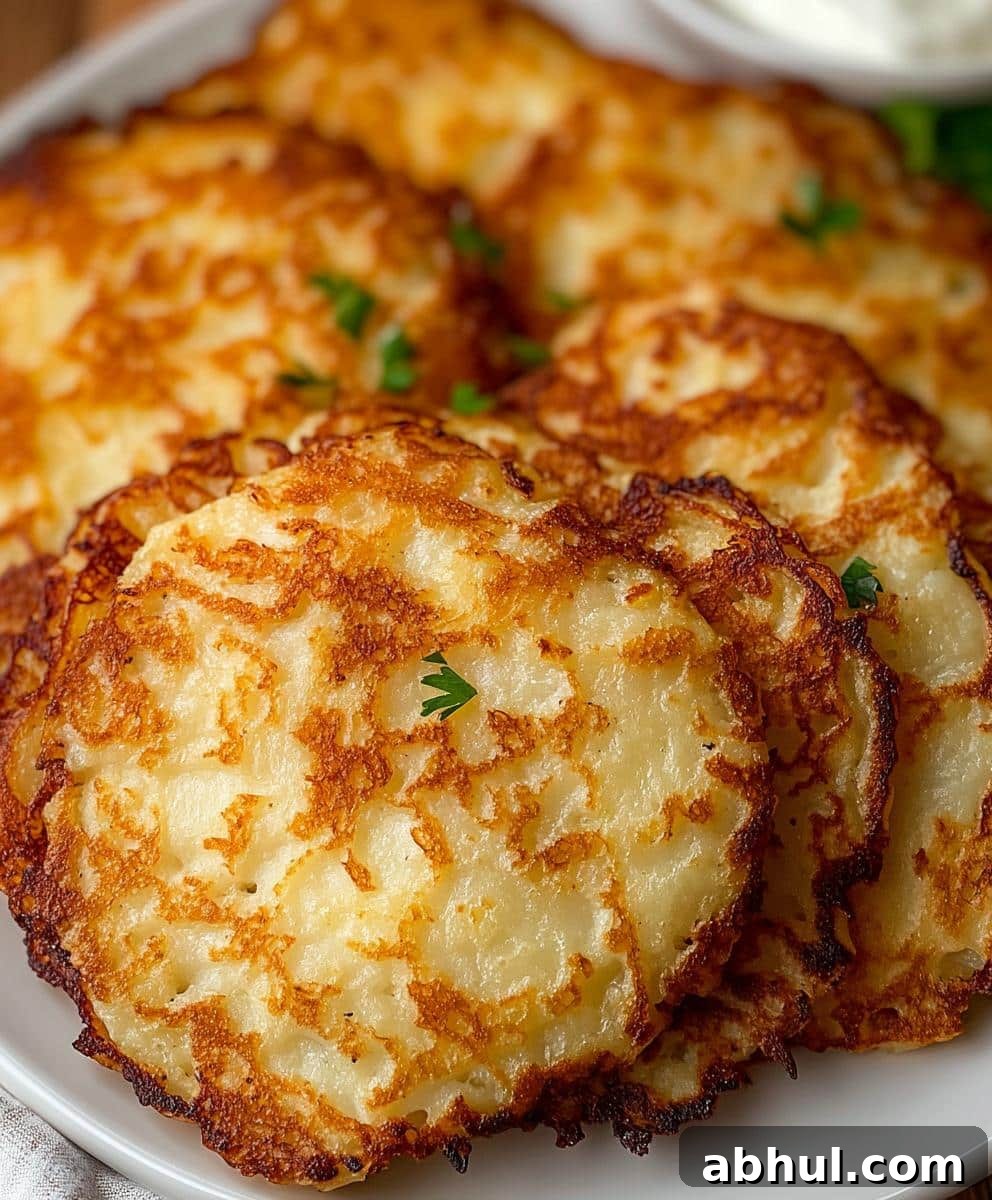
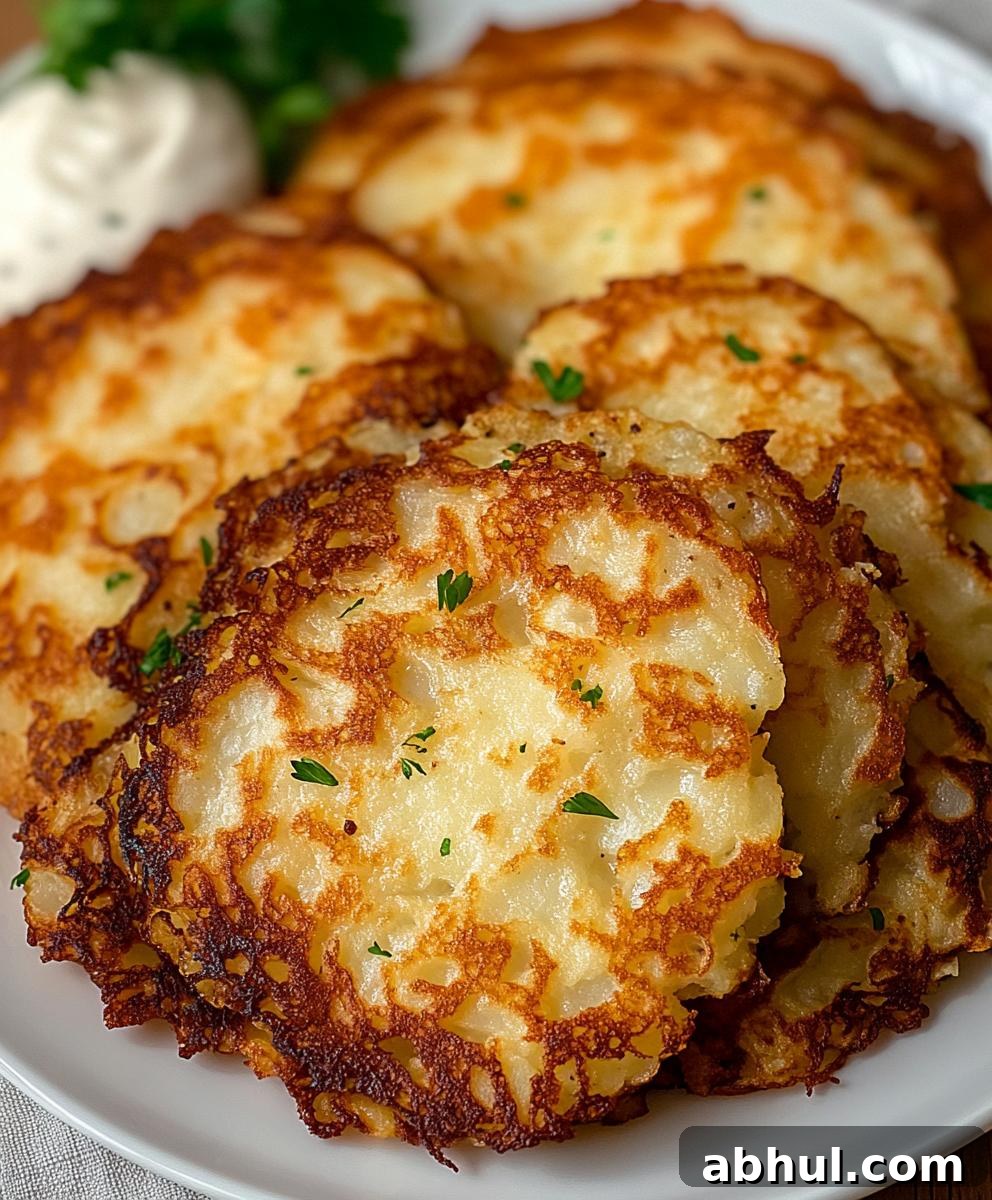
Growing up, my kitchen was often filled with the comforting aroma of sizzling German potato pancakes—the golden, crispy rounds known in Germany as Kartoffelpuffer. These pancakes are the ultimate comfort food: versatile, nostalgic, and satisfying. They work equally well as a savory main or a sweet snack, and their simple ingredients make them ideal for home cooks looking for a reliable, delicious dish.
I can still picture a chilly autumn afternoon, wrapped in my grandmother’s oversized sweater as she grated potatoes and onions with practiced hands. The oil on the stove crackled softly, and she flipped each pancake until it was perfectly golden-brown. The first bite—crispy on the outside, tender inside—was always worth the wait and left a lasting smile.
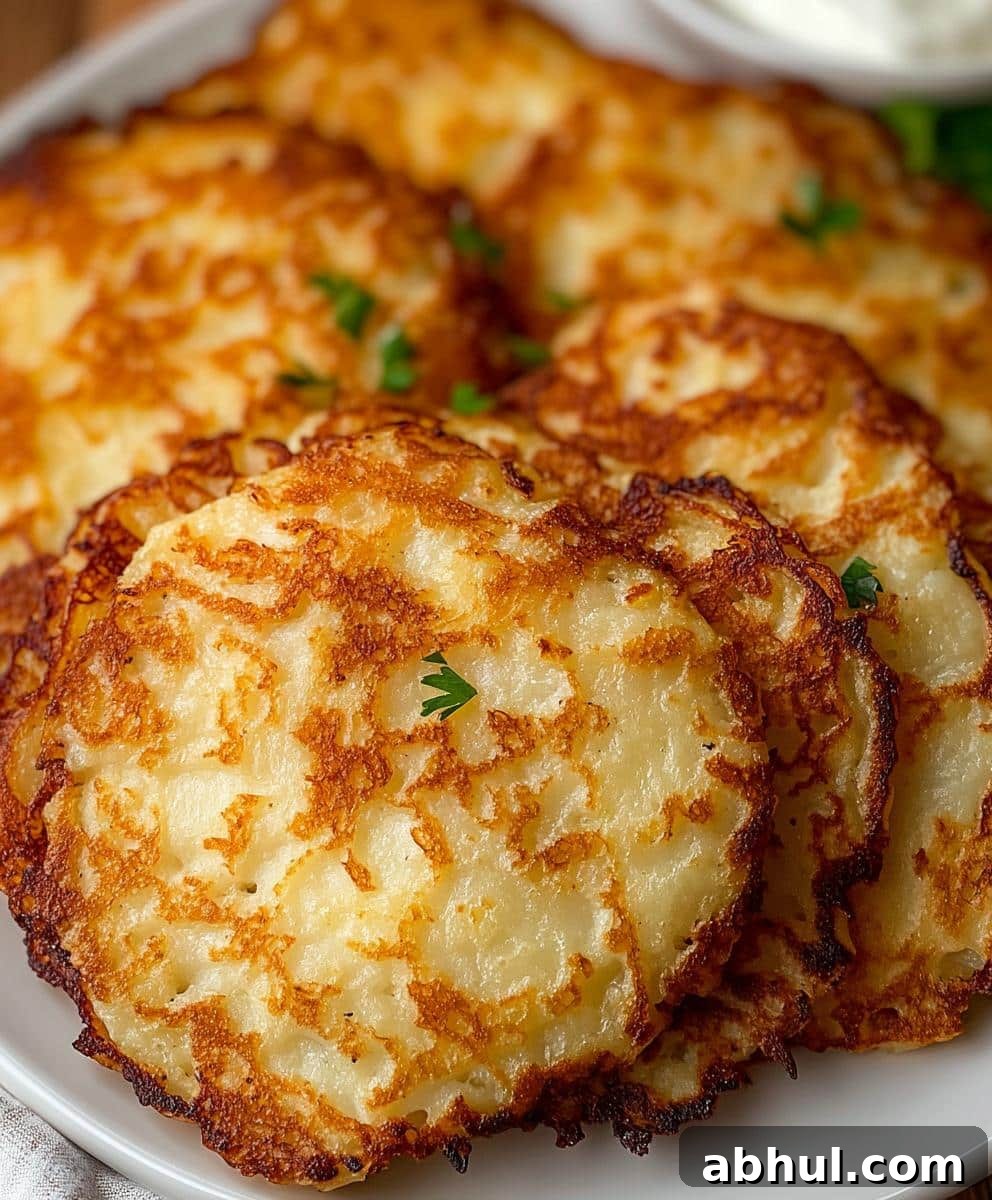
Discover the roots of German potato pancakes
German potato pancakes, sometimes called Reibekuchen, are a beloved part of German cuisine and a common sight at markets and family gatherings. They likely originated in the Rhineland and have been enjoyed for generations. Traditional recipes rely on a few simple ingredients—potatoes, onions, eggs, and flour—yet produce rich, satisfying results. Regional variations introduce elements like grated zucchini, cheese, or different seasonings. Serving options often highlight the contrast of savory and sweet: applesauce, sour cream, or fresh herbs are popular accompaniments.
What’s in the mix for perfect pancakes?
These potato pancakes achieve their appeal through a balance of ingredients that create crispy edges and a tender interior. Here are the essentials and some easy substitutions:
- Eggs: Act as the binder that keeps the mixture together. For an egg-free option, a flaxseed meal and water mixture works well.
- All-purpose flour: Adds structure. Use a 1:1 gluten-free flour blend if you need a gluten-free version.
- Baking powder: A small amount helps lighten the texture—make sure it’s fresh for best results.
- Salt: Enhances the flavor of the potatoes.
- Pepper: Freshly cracked black pepper gives more depth than pre-ground pepper.
- Potatoes: Starchy potatoes like Russets produce a crisp exterior and a soft interior; Yukon Golds add a slightly buttery note.
- Onion: Adds sweetness and savory depth—use red or white to taste.
- Vegetable oil: A high smoke point oil such as canola or sunflower is ideal for frying to achieve crispiness.
Each ingredient has a role: texture, structure, moisture control, or flavor. Small tweaks let you adapt the recipe to dietary needs or personal taste while keeping the signature crisp-tender contrast.
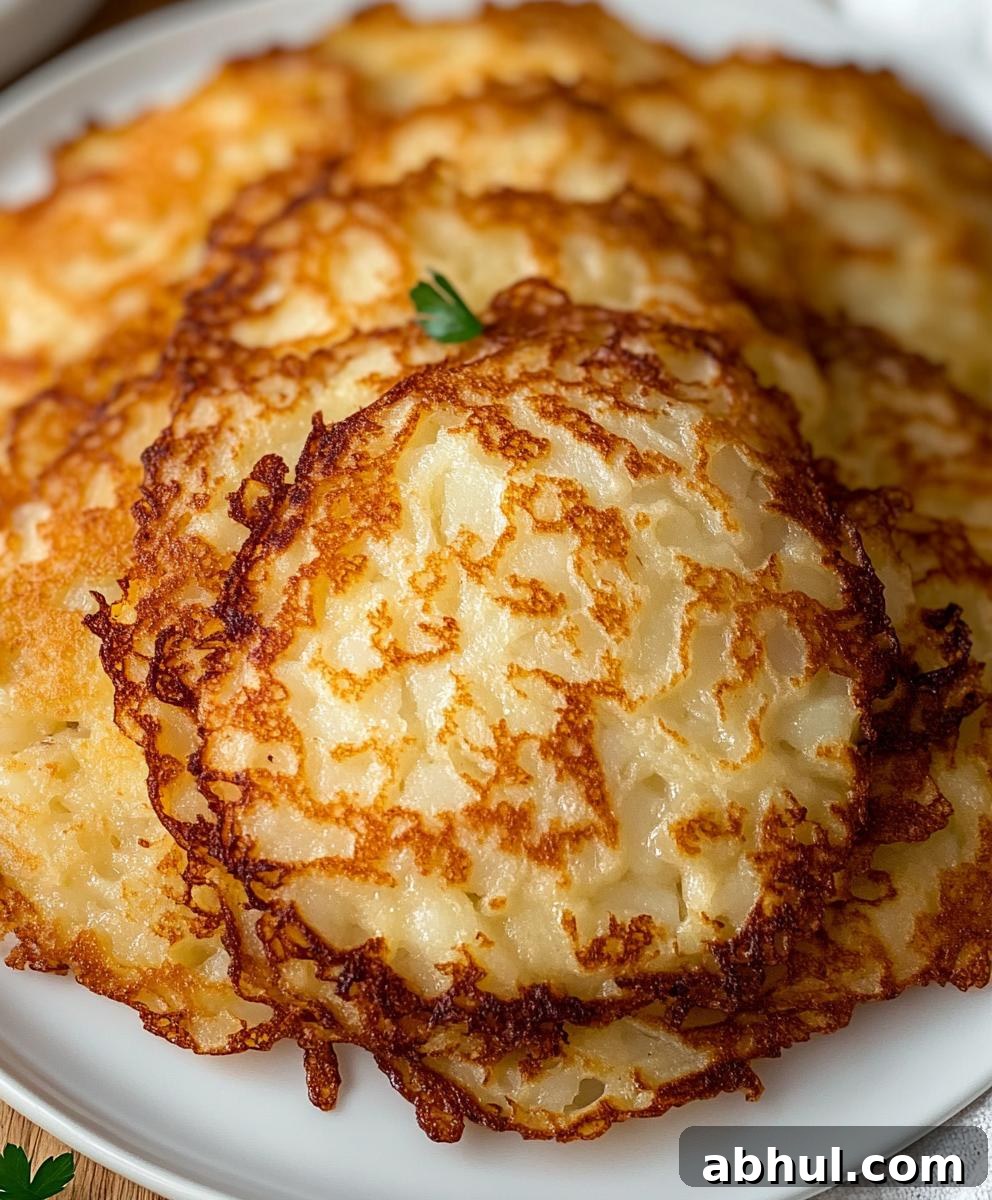
Must-have tools for perfect potato pancakes
Having the right tools streamlines the process and improves results. Consider these kitchen essentials:
- Box grater: For shredding potatoes to the right texture. A food processor with a shredding disc works as an alternative.
- Large skillet: Provides even heat and space for cooking pancakes without crowding.
- Mixing bowl: A sturdy bowl for combining ingredients thoroughly.
- Spatula: A thin, flexible spatula makes flipping easier and protects the crisp edges.
With these tools, frying and handling the pancakes becomes simpler and more consistent.
How to whip up crispy German potato pancakes
- Prepare ingredients: Measure and set out all ingredients to keep the process smooth.
- Mix the egg base: Whisk eggs with flour, baking powder, salt, and pepper until smooth.
- Combine potatoes and onions: Fold shredded potatoes and finely chopped onions into the egg mixture until evenly coated.
- Heat the skillet: Add oil to a large skillet and warm over medium heat until shimmering.
- Shape and fry: Spoon heaping tablespoons of the mixture into the hot oil, flattening gently into pancakes. Cook in batches without overcrowding.
- Cook to golden perfection: Fry about 3 minutes per side, until deep golden brown and crisp. Flip carefully to avoid splatter.
- Drain and serve: Transfer cooked pancakes to a paper towel-lined plate to soak up excess oil, then serve warm.
Spice up your potato pancakes with these ideas
There are plenty of tasty variations to try. Swap all-purpose flour for almond flour or a gluten-free blend to suit dietary needs. Replace eggs with flaxseed meal and water for a vegan version. Use sweet potatoes for a naturally sweeter, colorful twist. Add spices like curry powder for an aromatic, slightly spicy version that adds an unexpected flavor profile. Small additions—cheese, herbs, or grated vegetables—can personalize the dish while keeping the essence of Kartoffelpuffer intact.
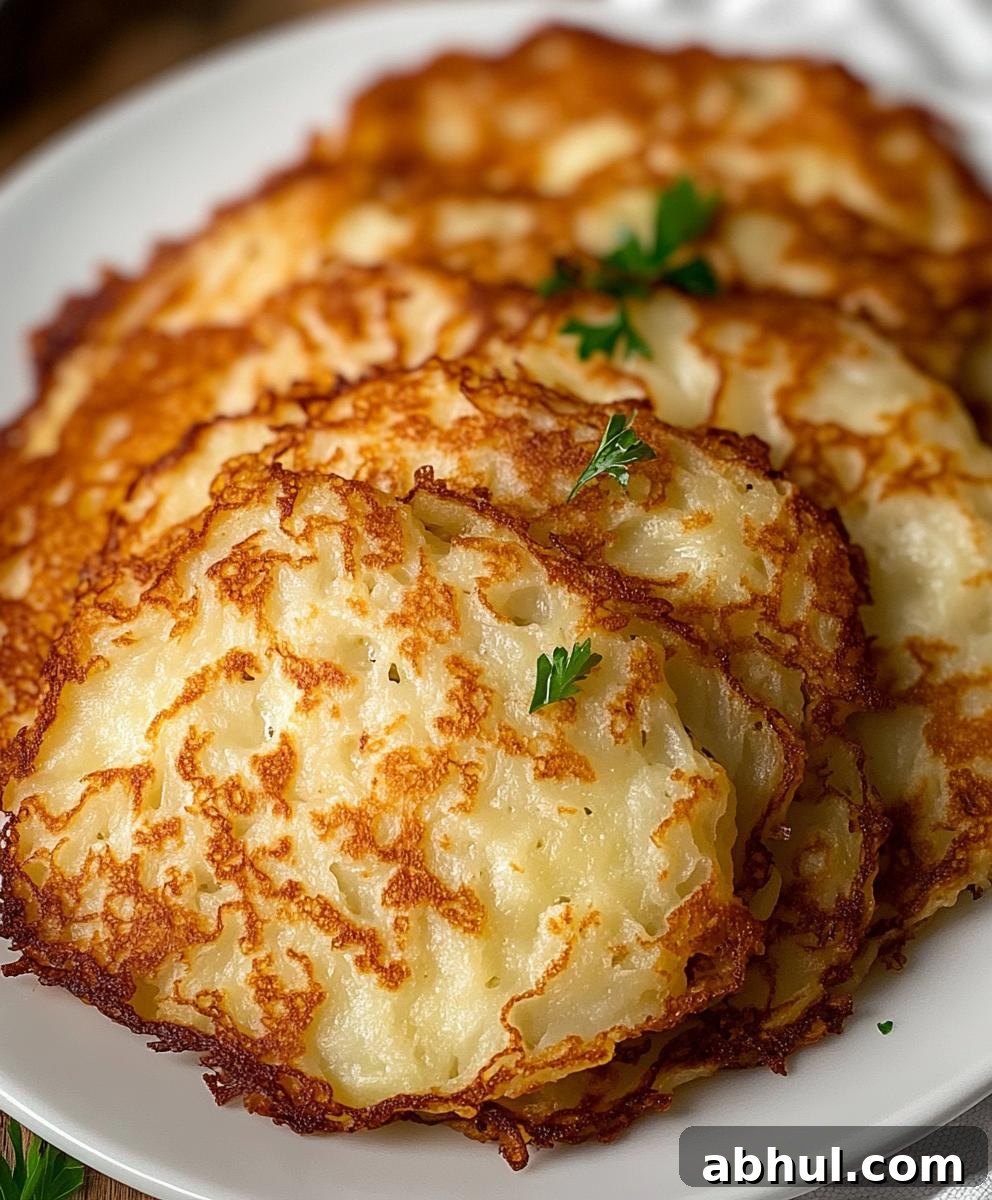
Delicious ways to serve your potato pancakes
Serve them stacked on a rustic platter with a dollop of sour cream and a sprinkling of chives or dill for color and freshness. Applesauce is a classic sweet contrast, while sautéed apples or a tangy red cabbage slaw offer heartier accompaniments. For a more substantial option, top with smoked salmon or a soft cheese and fresh herbs. These combinations highlight the balance of crisp texture and rich potato flavor.
Perfect sips for your potato pancake feast
Light, refreshing beverages pair well with these pancakes. Sparkling apple cider complements the savory-sweet contrast. For a warm pairing, chamomile tea offers gentle floral notes, while lemonade provides a bright, tart counterpoint. Choose a drink that complements the toppings and mood of your meal.
Keeping leftovers fresh and tasty
Store leftovers in an airtight container in the refrigerator for up to three days. Reheat gently in a skillet over medium heat to restore crispiness; the microwave can make them soggy. Place parchment paper between layers when storing to prevent sticking, and ensure reheated pancakes reach a safe internal temperature.
Avoid these common mistakes
To achieve the best texture, avoid shredding potatoes too finely—aim for medium shreds. Mix the batter gently to prevent a dense result, and squeeze out excess moisture from shredded potatoes to keep the pancakes crisp. Maintain medium heat while frying: too hot and they burn, too cool and they absorb oil. These simple steps help ensure reliably crispy, flavorful pancakes.
Frequently asked questions (FAQ)
- Which potatoes are best?
Starchy potatoes like Russets deliver the crisp exterior and tender interior desirable in potato pancakes. - Can I make them gluten-free?
Yes—use a gluten-free flour blend or potato starch as a substitute for all-purpose flour. - Is there an alternative to frying in vegetable oil?
Use any oil with a high smoke point—canola or sunflower oil work well for frying. - Can these be made ahead?
They’re best fresh but can be prepared a few hours ahead and kept warm in a low oven; they may lose some crispiness over time. - What should I serve with them?
Traditional pairings include applesauce or sour cream; smoked salmon or fresh herbs also make excellent additions.
Potato pancake magic: your thoughts?
These German potato pancakes are an easy, adaptable comfort food that invites experimentation. Whether you stick to the classic recipe or try a creative twist, they reward simple techniques with big flavor. Try a batch, add your favorite flavors, and enjoy a warm, crispy dish that’s both nostalgic and satisfying.