
Age-appropriate chores for young and older children are essential—whether you use a chore chart or not. These tasks teach kids to contribute, develop a strong work ethic, and avoid entitlement.
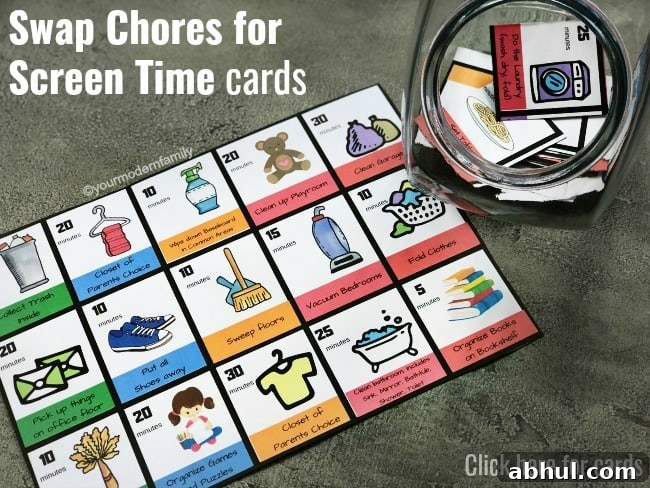
One practical approach is using printable chore cards that let children “swap chores for screen time.” This system reinforces that downtime is earned by contributing to household tasks.
As Julie Lythcott-Haims has explained, giving kids chores—like taking out the garbage or doing laundry—helps them learn that being part of a household means doing the work of life. If children don’t do the dishes, someone else must, and they miss learning that work is a shared responsibility.
When every family member pitches in, each child’s contribution strengthens the household and builds a lifelong habit: the ability and willingness to work.

Kids Who Do Chores Grow Up To Be More Successful & Happier Adults
If you want your children to grow into responsible, happy, and successful adults, start giving them chores early. Research supports this: long-running studies link childhood chores with better outcomes in adulthood.
The Harvard Grant Study, one of the longest-running studies in history, asked whether doing chores benefits a child. The answer was yes. Over decades, researchers found two key factors for adult success and happiness: love and a strong work ethic.
Developing a work ethic often starts with simple household tasks. A “pitch-in” mindset—recognizing when unpleasant work needs doing and choosing to do it—correlates with professional success later in life.
Research, including long-term studies and projects at universities, repeatedly finds that starting chores early—sometimes as young as three or four—predicts stronger work habits and greater success later on. It’s never too late to begin teaching responsibility.

Children need responsibility and often want it. Age-appropriate chore lists teach responsibility and hard work while allowing kids to feel useful and valued. Many parents find chore cards a simpler, more effective alternative to traditional chore charts.
Why Kids Should Help
- They feel needed and important.
- They learn responsibility and independence.
- They develop a work ethic and good habits.
- They learn cooperation and reduce entitlement.
- They help the family run smoothly, leaving more time for play and togetherness.
Resist doing everything for your children. Teaching them how to contribute is teaching them to thrive as adults.

Teach Each Task First
Children aren’t born knowing how to complete chores. Show them, walk through each task step by step, and practice until they can do it independently. Demonstration and patience are necessary—start with one or two tasks a day and build from there.
Do I Need a Chore Chart?
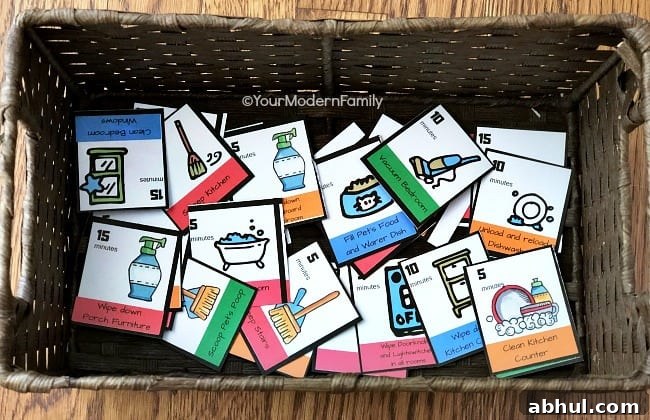
Many families find traditional chore charts cumbersome. Chore cards offer a simpler system: tasks are written on cards and placed in a basket. Kids draw cards to earn screen time or other privileges. The cards are easy to manage and adapt as children grow.
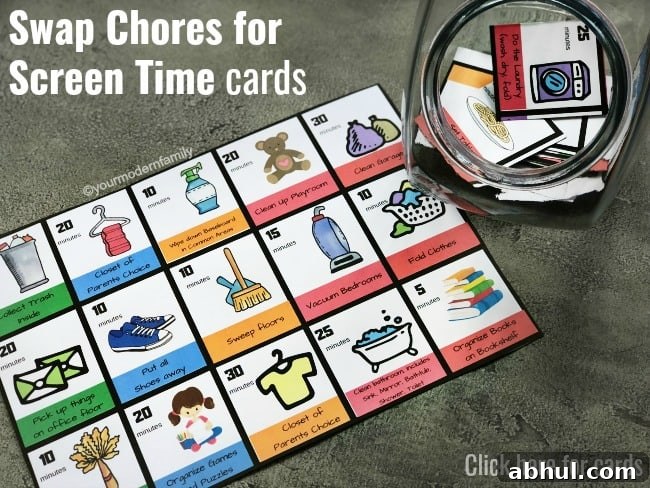
How the Cards Work
Put the cards in a reachable basket or jar. When it’s time to help, children draw one or more cards with their eyes closed and complete the tasks listed. This simple ritual gives kids ownership of their work and keeps the system predictable.
The number of cards a child draws depends on age: younger children take fewer cards, older kids take more and can handle harder tasks.
Chore Amount by Age
- Ages 3–4: one card
- Ages 5–6: two cards
- Ages 7–8: two to three cards
- Ages 9 and up: three cards plus more challenging chores
Chore Ideas for Tweens & Teens (9–12+)
Older children can take on almost any household task if they are shown how to do it safely. Give clear instructions and demonstrate expected results. Typical chores for this age include:
- Cleaning and organizing garages and vehicles
- Assigned bathroom cleaning
- Mowing the lawn and yard work
- Washing or detailing the car
- Ironing and laundry tasks
- Cooking simple meals and setting the table
- Babysitting or helping younger siblings
- Making grocery lists and learning budgeting skills

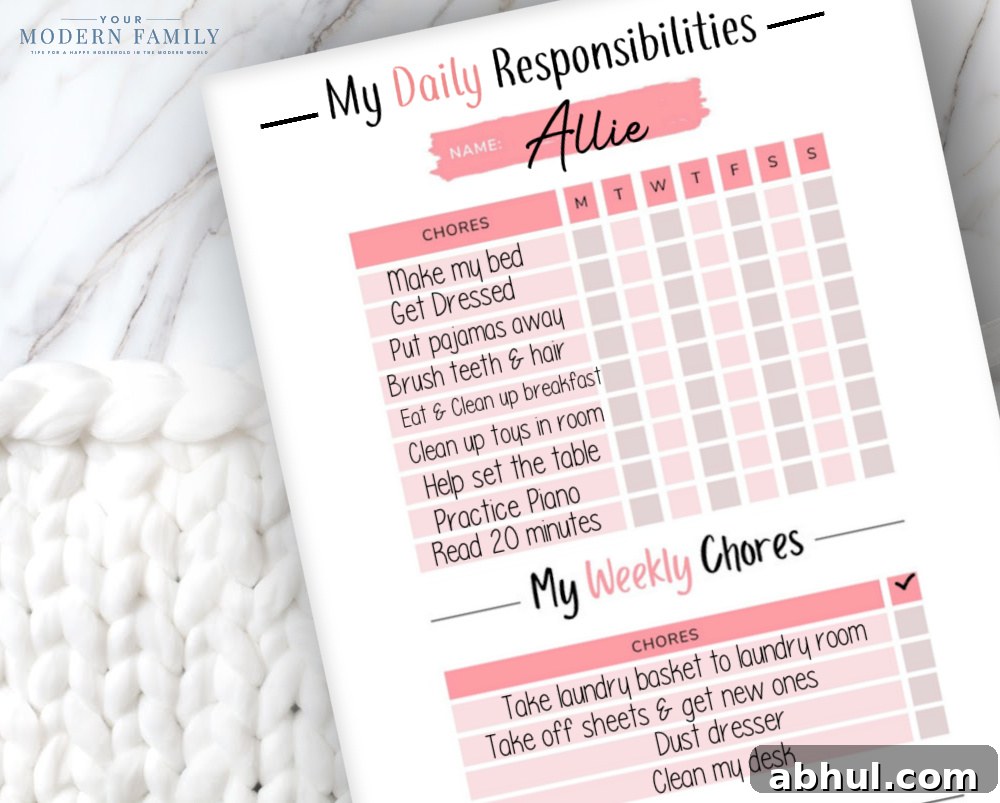
Daily Responsibilities vs. Chores
Daily responsibilities are expected habits, not extra chores. Examples include:
- Making the bed
- Cleaning up after meals
- Putting dirty clothes in the hamper
- Putting clean clothes away
- Unloading the dishwasher as a team
- Dressing and brushing teeth without reminders
- Keeping shoes in the shoe basket
Extra chores are optional tasks children can draw from the basket to earn screen time or other incentives.
How Often Should Kids Do Chores?
Daily responsibilities should be done every day to form habits. Extra chore cards can be completed daily, on weekends, or less frequently depending on your family’s schedule. Use what fits your household and helps children learn consistency.
Printable Chore Chart by Age
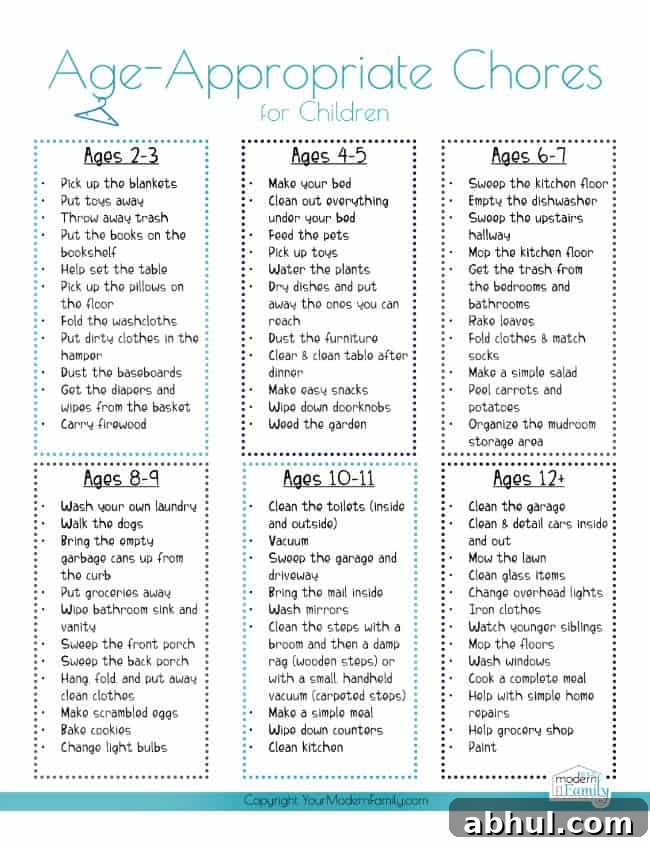
Age-grouped chore lists help children succeed because tasks match their development. Use a printable chore chart or template as a starting point, and customize it to your family’s needs. Demonstrate each task and adjust cards as children grow.
Examples of Chores
- Clean shutters or surfaces near eating areas
- Clear out under-the-bed clutter
- Strip and remake beds weekly
- Put dirty laundry in the laundry room
- Wipe bathroom sinks and vanities
- Clear and clean the dinner table
- Sweep hallways and kitchen floors
- Empty small trash cans into a larger bag
- Bring bins up from the street after collection
- Clean steps and small carpeted areas
- Organize pantry floors and tidy art supplies
- Sweep porches and dust furniture with a sock or cloth
- Pick up toys and organize shared spaces
Age-Appropriate Chores for Young Children
Young children can help with simple, safe tasks. For example, a three-year-old can pick up blankets and pillows, put away a container, or return items to their place with guidance. These small wins build confidence and show children their contribution matters.
I hope these ideas help you create a manageable routine of chores that fits your family. Adjust tasks and expectations as your children grow, and keep demonstrating how to do each job well. Children who learn to contribute become capable, confident adults.
Final Thought
If electronics are taking up more of your children’s time while contributions are slipping, try a simple trade: swap a chore for screen time. Kids earn their downtime and learn valuable life skills at the same time.
Use these ideas as a starting point, adapt them to your home, and involve your children in creating a system that works for everyone.