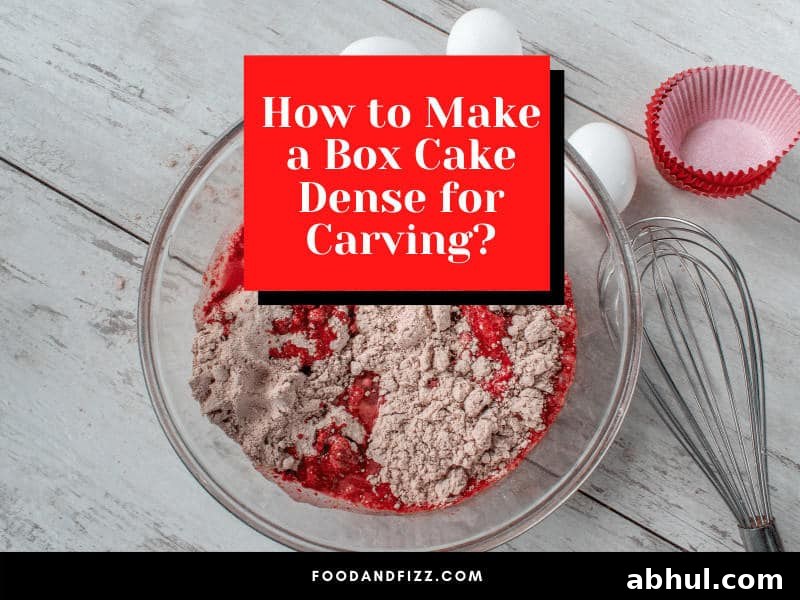
How to Make a Box Cake Dense For Carving? I like using boxed cake mixes because they’re convenient, but their light, tender crumb can make carving and sculpting difficult. A denser cake holds shape better and makes carving much easier.
How to Make a Box Cake Dense for Carving
To create a denser boxed cake suitable for carving, try adding two extra egg yolks in addition to the eggs listed on the box. Substitute milk for the water called for, or add a 1 oz package of instant pudding mix (any flavor) to the dry mix. These small changes increase fat and structure, giving you a firmer crumb that carves cleanly.
How Do You Make a Cake Dense?
The easiest way to make a boxed cake denser is to replace lighter liquids with heavier, fattier alternatives. If the mix calls for water, use whole milk, buttermilk, or plain yogurt instead. These options add fat and weight to the batter, which produces a tighter, more stable crumb.
Adding a small packet of instant pudding to the dry mix or folding in extra egg yolks increases both moisture and structure. Egg yolks add fat and emulsifiers, which help bind the batter and produce a moist, firm cake ideal for carving.
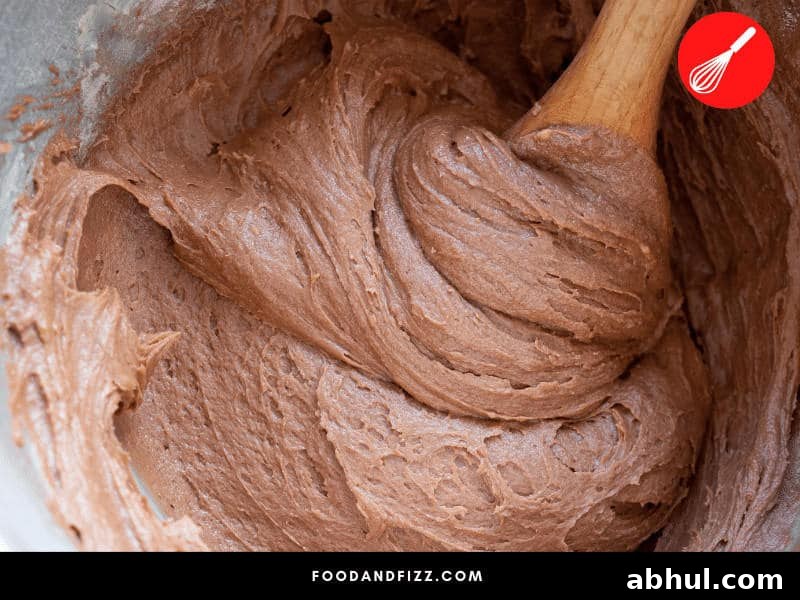
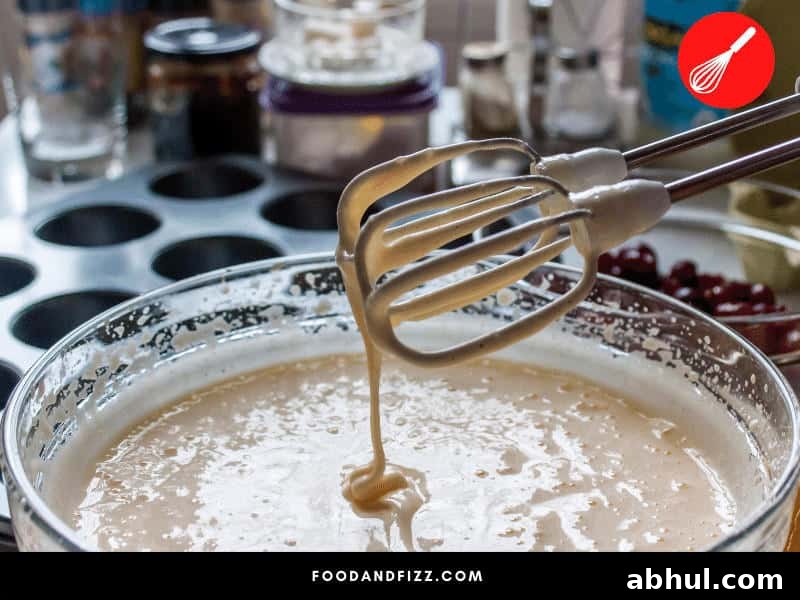
Be mindful of mixing time: mix just until ingredients are combined. Start at low speed for 30 seconds, then mix at medium for about two minutes. Overmixing incorporates too much air and lightens the cake, while undermixing can leave flour lumps. Aim for a thick, uniform batter.
When filling pans, avoid creating very tall layers in a single pan. Pour no more than about an inch of batter per pan or use additional pans so layers bake evenly and maintain a sturdy texture.
How Do You Carve Cakes Successfully?
A dense cake is only one part of successful carving. Chill the cake before you carve: partial freezing firms up the crumb and makes precise cuts possible. Wrap the cake in plastic to prevent drying, freeze for a couple of hours, then let it soften slightly before carving so it’s firm but not rock hard.
Use a sharp serrated or pastry knife and make deliberate, clean strokes. A blunt knife can tear the cake. Trim crumbly edges and use a small offset spatula to smooth surfaces as you work.
What Happens When You Add an Extra Egg?
Eggs contain natural emulsifiers that improve the batter’s ability to hold fat, sugar, and liquid together. Adding an extra egg or a couple extra yolks can increase moisture, tenderness, and structure. The result is a moister, better-held cake that resists crumbling while carving.
Can Too Many Eggs Make a Cake Dense?
Eggs add structure, but balance is important. Too many eggs can produce an overly eggy flavor or make the batter too thin. If your batter becomes too runny after adding eggs, a tablespoon of flour at a time can help restore balance.
How Should You Add Eggs to the Cake Mix?
Make sure eggs and all refrigerated ingredients come to room temperature for better incorporation. Warm eggs mix more smoothly and help create an even batter. Beat eggs separately before folding them into the batter to avoid overmixing and to ensure an even texture.
Can I Use Butter Instead of Oil?
Yes. Substituting melted butter for oil adds flavor and creates a firmer, denser crumb. Because butter contains water and milk solids in addition to fat, it often produces a more structured cake. Melt the butter before adding—this takes only a minute—and use the equivalent amounts when converting from oil to butter (for example, 1 cup oil ≈ 1 1/4 cups melted butter).
Butter Conversion Examples
- 1 cup oil = 1 1/4 cup melted butter
- 3/4 cup oil = 1 cup melted butter
- 1/2 cup oil = 2/3 cup melted butter
- 1/4 cup oil = 1/3 cup melted butter
What Does Sour Cream Do to a Cake Mix?
Sour cream is rich in fat and adds moisture and density to a cake. Adding a small amount of sour cream makes the crumb richer and more stable, which helps when stacking and carving. In general, increasing fat—whether from butter, sour cream, or full-fat dairy—produces a tender but denser cake.
Why Is My Box Cake Crumbly but Moist?
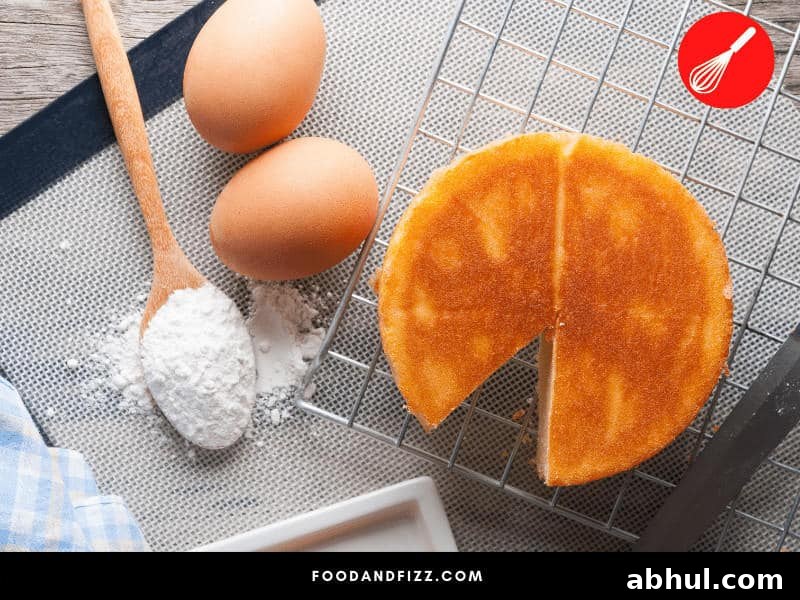
Boxed mixes often call for water, which provides moisture but not structural fat. A cake can be moist yet crumbly if it lacks enough fat or binding agents. Replace water with whole milk or buttermilk and swap oil for melted butter to add both flavor and fat, producing a sturdier cake that holds together when carved.
Conclusion
A few small adjustments to a boxed cake mix—extra egg yolks, a packet of instant pudding, richer liquids like milk or buttermilk, or substituting butter for oil—will transform a light, crumbly cake into a denser, more stable base for carving. Combine these ingredient tweaks with proper chilling and sharp tools, and you’ll have a cake that stacks, sculpts, and decorates with confidence.
Frequently Asked Questions
Is a dense cake good?
Many bakers prefer dense cakes for carved or layered projects because they’re easier to stack and shape. Dense cakes feel richer and hold details better when sculpted.
Does a dense cake last longer?
A denser cake may retain moisture longer at room temperature, but typical shelf life remains a few days. To extend freshness, wrap tightly and refrigerate.