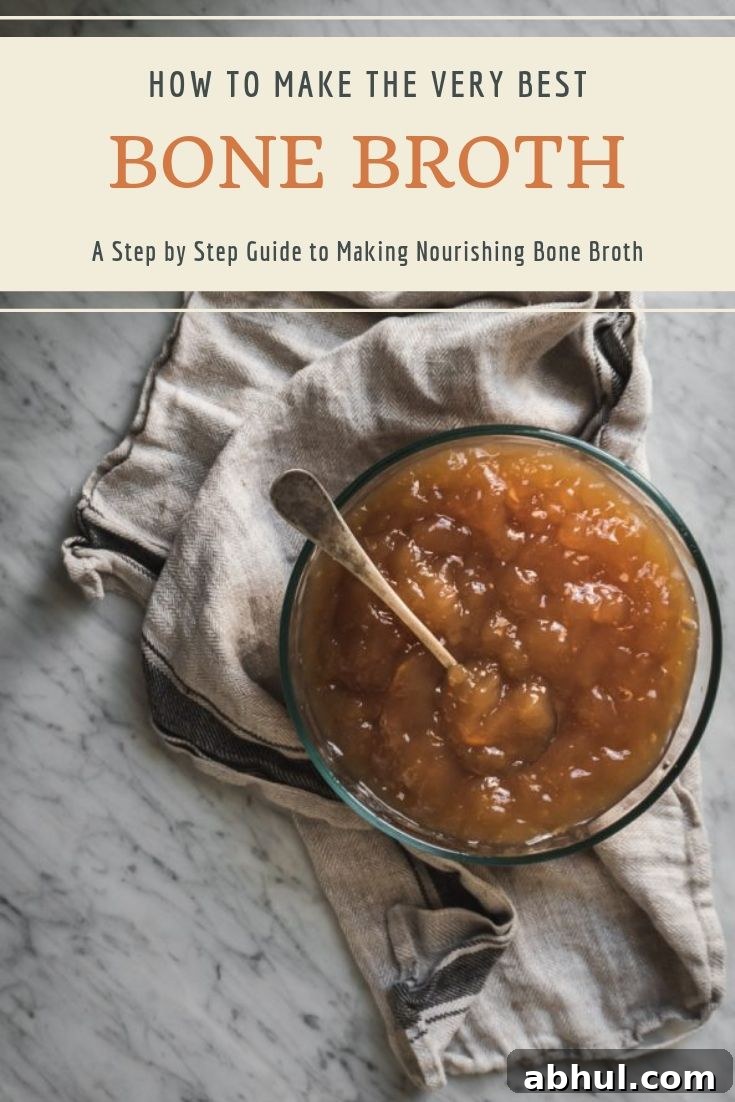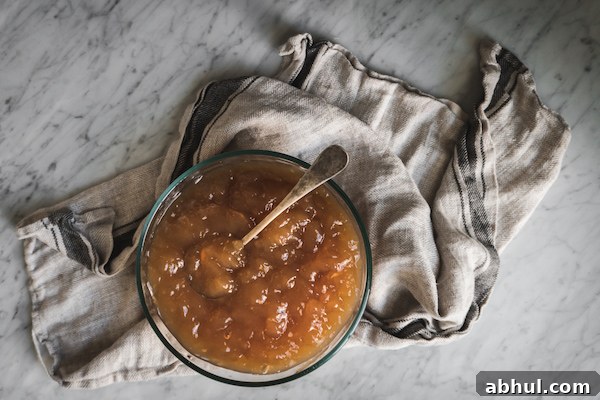
Bone broth has moved from a traditional kitchen staple to a modern wellness favorite. Making a batch is straightforward: bones, water, and vegetables, with optional herbs and spices. But the quality of each ingredient and a few technique choices make a big difference. Below is a clear, practical guide to creating deeply flavorful, nutrient-rich bone broth.
(This post was contributed by Melissa Keyser.)
About ten years ago I started making my own chicken stock to save money and make the most of roasted birds. Initially I was focused on flavor and convenience rather than nutrition. Later, after learning more about traditional cooking methods and the nutrient profile of long-simmered bones, I began to appreciate broth as more than just a soup base.
In recent years bone broth gained popularity in cafes and specialty stores as a sipping beverage and wellness product. At first I dismissed this trend, preferring to reserve my homemade broth for soups. But during a bout of winter colds I found a hot mug of broth to be one of the most comforting and nourishing things to sip. Now it’s a regular part of my seasonal self-care routine.

What is Bone Broth?
Bone broth is an age-old cooking method: simmer bones and connective tissues in water for an extended time to extract flavor and nutrients from marrow, cartilage, and bone. While modern science names compounds like glycosaminoglycans and collagen, traditional cooks simply knew that long-simmered broth supported health and recovery.
Health benefits commonly attributed to bone broth include reduced inflammation, collagen to support skin, hair and joint health, and minerals that support immune function. Many cultures have relied on broths as restorative foods for centuries.
The Difference Between Broth, Stock and Bone Broth
Historically broth and stock were used interchangeably. Today, “bone broth” is often used to describe long-simmered, nutrient-dense preparations set apart from commercially produced broths, which are typically cooked quickly and prioritize flavor and convenience over nutrient extraction.
Cooking time is the practical distinction:
Basic Broth: 2+ hours // Stock: 4–8 hours // Bone Broth: 10–24+ hours
Longer simmer times extract more collagen, minerals, and flavor from bones, producing a richer, more nourishing liquid.
An ancient saying: “good broth can resurrect the dead”
While that’s a proverb rather than literal advice, it emphasizes how central nourishing broths were to traditional diets. A well-made bone broth can support immunity, soothe a cold, and assist recovery after illness or injury.
When I make broth now I balance flavor and nutrient extraction. Most of mine go into soups and cooking, but when I’m under the weather I happily sip a hot mug of broth alongside herbal teas for comfort and extra nourishment.

Bone Broth Ingredients
Quantities vary with pot size, so plan around your equipment. Recipes often use pounds, which may take a few batches to translate into the right visual fit. As a guideline:
- Use roughly half as much vegetables by volume as bones (for example, 4 lb bones to 2 lb vegetables).
- Cover ingredients with water; a general rule is about 4 quarts of water per 2–3 pounds of bones.
Understanding the Crucial Ingredient: Bones
Types of Bones
Any bones work: fish, poultry, pork, beef, lamb, veal, venison, and shellfish shells. Match the type of broth to the dish you’ll make (chicken for chicken soup, beef for pho). Pork bones are excellent for beans and hearty winter soups. Using bones from grass-fed, pastured, or organic animals will yield the most nutrient-rich broth if health is your priority.
If you don’t have many bones at once, collect them in the freezer until you have enough for a batch.
Cuts of Bones
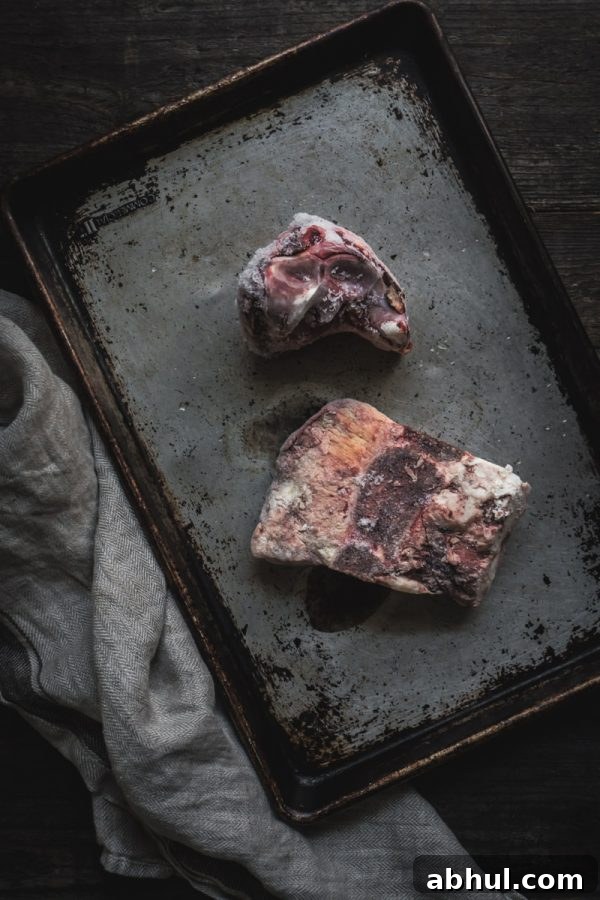
Joints, feet, necks, and knuckles are especially rich in collagen and produce gelatinous broths. Large marrow bones add deep flavor. If possible, ask your butcher for inexpensive parts like backs, necks, or feet.
Preparing Bones
Bones can be fresh, frozen, cooked, or raw. Previously boiled bones may yield less flavor. Small amounts of meat left on the bones are beneficial. Save roast carcasses and trimmings for broth, and include flavorful bits from inside poultry cavities.
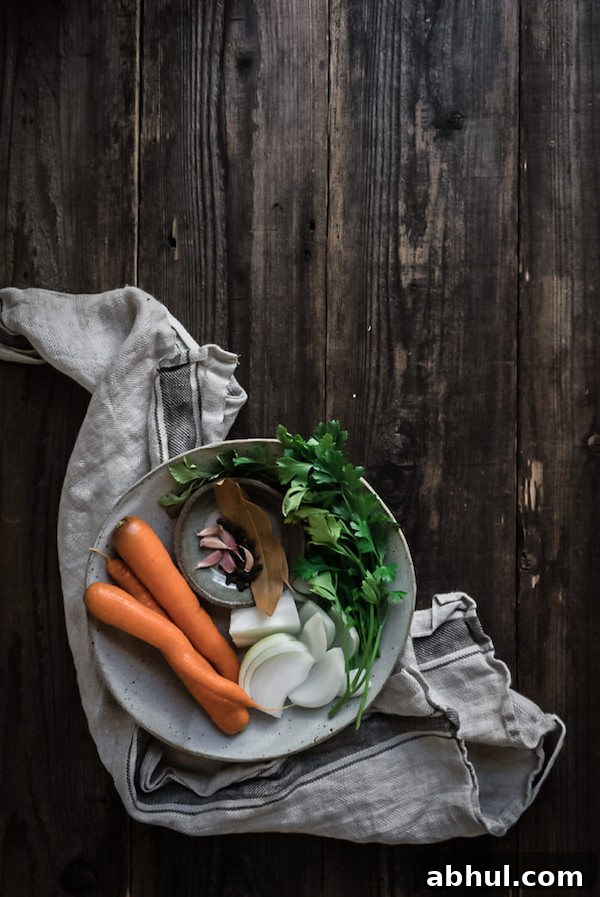
Vegetables & Aromatics
Vegetables add depth and aroma. A classic mirepoix—carrots, onion, and celery—is a reliable base. I also add garlic, bay leaves, and peppercorns. Other compatible additions include thyme, rosemary, leeks, mushrooms, parsnips, fennel, tomato, zucchini, or Parmesan rinds for savory depth. Avoid strong-flavored brassicas and items like cabbage, broccoli, cauliflower, beets, and artichoke trimmings.
Use kitchen trimmings and ends rather than spoiled produce. Think about the final flavor when choosing aromatics.
Acid
A splash of acid helps draw minerals from the bones. Apple cider vinegar is common; wine also works—white for lighter broths and red for beef or veal.
How to Make Bone Broth (Almost Good Enough to Wake the Dead)
Method One (simple, overnight crockpot)
Place bones, vegetables, aromatics, and water in a large pot or crockpot. Bring to a boil, reduce to a simmer and cook partially covered for the appropriate time. In a crockpot set it to low and crack the lid slightly.
- Fish and shellfish: 1–2 hours.
- Chicken: 8–16 hours.
- Pork or beef: 24 hours or longer for best extraction.
Strain and enjoy.
Method Two (roast first, then simmer)
Roast bones at 400°F for 30–45 minutes to deepen flavor (skip roasting for delicate fish bones). Transfer roasted bones to a pot, cover with cold water and slowly bring to a boil to release impurities. Skim foam and scum that rises. Once scum stops appearing, add a splash of acid.
Chop or roast vegetables for deeper flavor and add them toward the last 8 hours for very long simmers. Maintain a gentle simmer and add water as needed to compensate for evaporation. Strain and enjoy.
A Few Words on Fat
Broths made from different animals contain varying amounts of fat. Chicken fat is pleasant in the broth; beef fat is stronger and many prefer to remove it. After straining, chill the broth and scoop or peel off the solidified fat layer if desired.
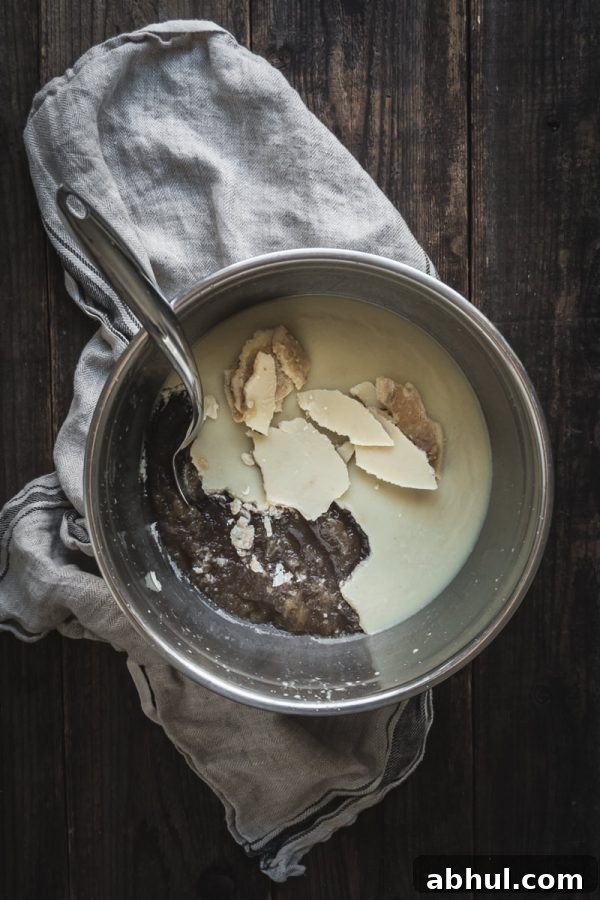
A Few Words on Gelling
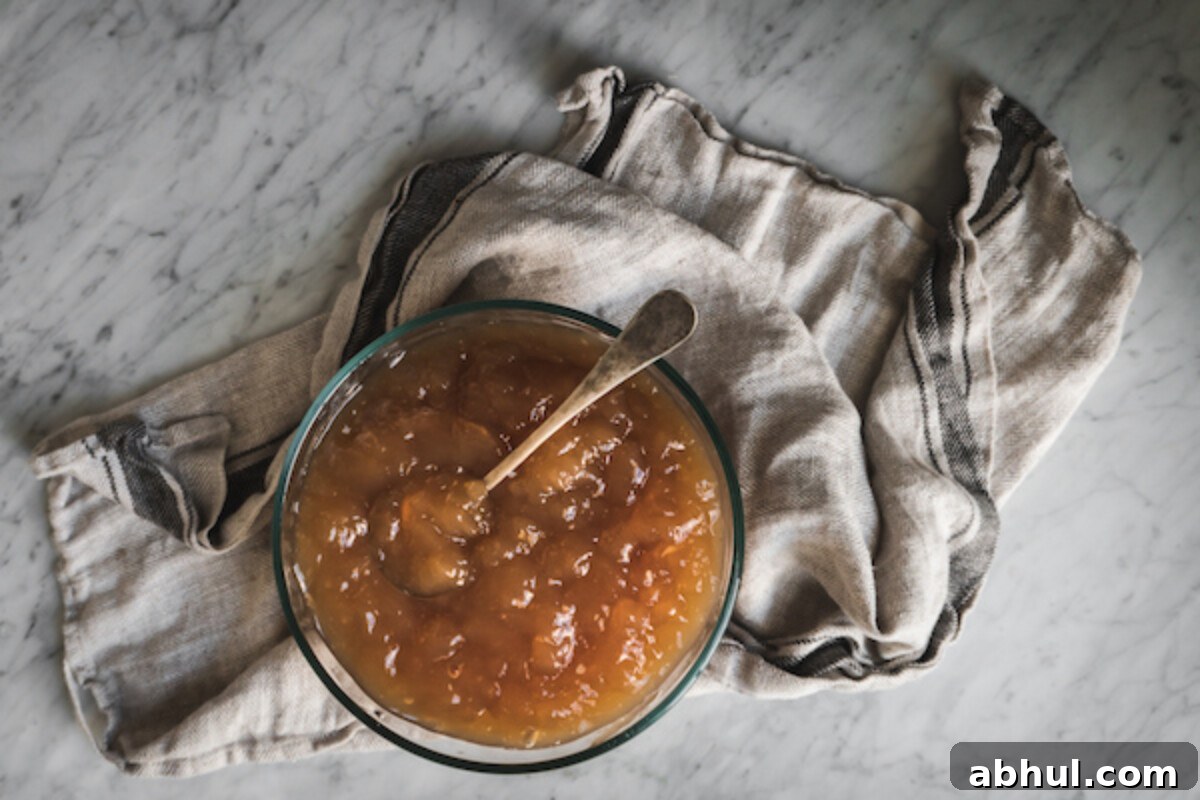
As cooled broth sets, it may gel into a jelly-like consistency, which indicates good collagen extraction. If your broth doesn’t gel, it may not have simmered long enough or the bones used had less connective tissue. A mix of marrow bones and joint/foot bones helps produce a jiggle. Whether gelled or not, a well-made broth is still nutritious and useful.
Storing Your Bone Broth
Store broth in the refrigerator for 1–2 weeks or freeze for up to a year. For long-term shelf storage, pressure canning is an option. Freeze in straight-sided wide-mouth jars, leaving room for expansion—fill to the bottom of the jar threads. Label jars with the contents and date.
Ways to Use Bone Broth
If you don’t want to sip broth, use it to cook grains, braise vegetables or meats, deglaze pans, make soups and stews, or replace water in recipes that benefit from extra flavor and nutrients.