How to Start Keto (the easy way)

The most common question I receive is “How do I start Keto?” I can go into deep detail about why the ketogenic diet works, how it affects your body, and how to test for ketosis, but that level of detail can overwhelm people just beginning. This article gives a straightforward, practical approach to get started without drowning in information.
Helpful Tool: Successful Keto in 30 Days guide and journal
If you prefer a step-by-step plan, a 30-day guide and journal can simplify the process and keep everything in one place. It removes the need to sort through conflicting opinions and provides clear, easy steps to start successfully.
To get started, follow these simple suggestions that cover the essentials without overwhelming detail.
Transition Away From Sugar and Carbohydrates
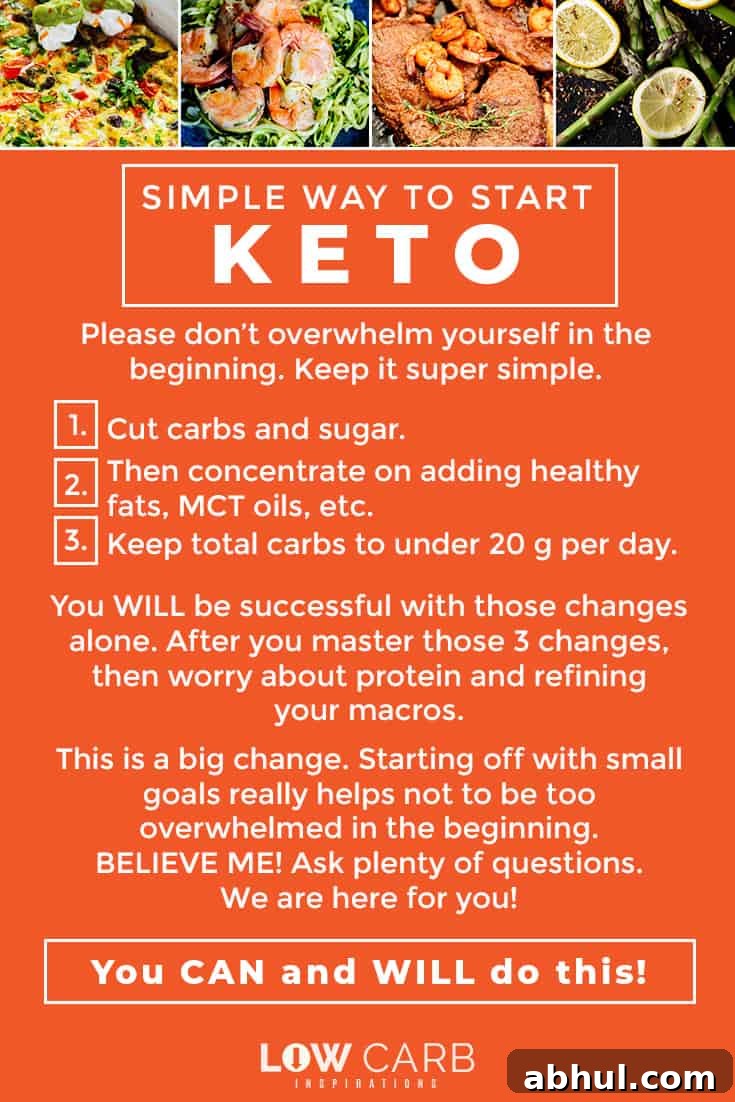
Giving up carbs and sugar is the hardest part of starting keto. It gets easier after the initial adjustment, but the most effective way to begin is to stop consuming carbs and sugar. You can cut them all at once or taper down gradually. The goal for many people is under 20 grams of carbs per day, though some find it easier to start at 50 grams and then lower to 20.
Tips for cutting back on carbs and sugar
- Stop eating breads of any kind.
- Choose vegetables instead of grains.
- Add extra butter and salt to make meals more satisfying.
- Use fat-based snacks (“fat bombs”) to curb sugar cravings.
Getting past this stage is a major accomplishment. If you need extra motivation, consider watching a documentary that highlights the benefits of low-carb living. Celebrate small victories and keep moving forward.
Calculate Your Macronutrients and Eat More Healthy Fats
Use a macro calculator to determine your target macronutrients and decide whether you want to track them with an app. Many people find it useful to know their protein, fat, and carb targets so they can structure meals effectively.
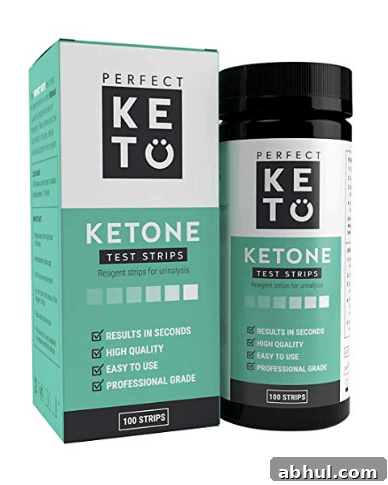
Ketone test strips can help you learn from early mistakes by showing when ketones first appear in your urine. They’re a simple feedback tool during the initial phase of keto.
It can be challenging to get enough fat at first. MCT oil is an easy way to boost fat intake—add it to coffee (blended) or drizzle it over salads and proteins. This helps meet daily fat needs and keeps you feeling full.

What a Typical Keto Day Looks Like
Think protein, healthy fats, and limited vegetables. Vegetables contain carbs, so they will use up much of your daily carb allowance. Seasonings and condiments can also add unexpected carbs, so be mindful of labels.
Below are simple meal ideas. I avoid specific portion sizes here to prevent getting fixated on exact numbers—early rigid tracking can create unnecessary stress.
Morning Breakfast Options:
- Butter coffee
- Butter tea
- Bone broth
- Eggs cooked in butter
- Eggs with avocado
- Bacon and eggs
- Sausage and eggs with avocado
- Steak with butter and eggs
Lunch Options:
- Salad with chicken thighs and full-fat dressing
- Tuna cakes with homemade mayo-based sauce
- Bone broth
- Protein with avocado or a side salad
Dinner Options:
- Protein of choice with avocado or a side salad
For example, a common daily pattern is two cups of butter coffee in the morning, eggs mid-morning, and a larger protein-based meal with salad or avocado later. Some people adopt a 12-hour daily fast (e.g., 5:30 pm to 5:30 am) where they consume only water and salt; this is optional.
Dessert Options:
- Keto chocolate chip cookie dough
- Keto chocolate coconut fat bombs
- Low-carb dark chocolate fudge
These desserts are usually fat-forward and can help satisfy sweet cravings while contributing to daily fat intake.
Electrolytes
Consuming enough salt is essential on keto. Pink Himalayan salt is a popular choice because it provides minerals that are helpful during carbohydrate restriction. If you experience nausea, dizziness, or light-headedness early on, it’s often due to low electrolytes—a common and avoidable issue known as the “keto flu.”
Electrolyte supplements that provide potassium, calcium, and magnesium can be very helpful. A simple homemade electrolyte drink can also support hydration and mineral balance.
Support and Questions
Having a supportive community makes a big difference. Look for positive, moderated groups where you can ask questions without encountering persistent negativity. Joining a group focused on low-carb and keto support can provide guidance, practical tips, and encouragement from people who understand your journey.
Social Media to Follow
Follow related social accounts for recipes, tips, and community support. These platforms often share meal ideas, troubleshooting tips, and motivational content to help you stay consistent.
More Low Carb/Keto Diet Tips
- Beginner low-carb tips for success
- Benefits of a low-carb diet
- Practical diet tips for low-carb plans
- Guidance on how to start keto the easy way
- Low-carb vegetarian tips and tricks
- Low-carb diabetic diet tips for success