Explore the benefits of chia seeds and learn practical tips for adding them to everyday meals. From improving digestion to providing a plant-based source of omega-3s, chia seeds are an easy, nutrient-dense addition to support healthy aging and overall well-being.
As a 59-year-old personal trainer, I’ve learned that better health starts not just in the gym but in the kitchen. If you want a simple way to boost energy, support digestion, and increase nutrient intake, chia seeds are an excellent option.
I’ve eaten chia seeds intermittently for years, but recently I began having two tablespoons daily and noticed less hunger and improved digestion. Those are my personal observations, but the benefits below may encourage you to add chia seeds to your routine more consistently.
Tiny and almost tasteless, chia seeds pack a nutritional punch and can positively influence health from the inside out.
5 Health Benefits of Chia Seeds
Chia seeds are nutrient-dense and offer several health benefits, including support for bone health, heart health, and antioxidant protection.
These are the chia seed benefits I rely on every day:
1. Rich in Fiber
Chia seeds are very high in fiber—about 10 grams per ounce—making them a strong choice for digestive support. Dietary fiber helps maintain regularity, supports a healthy gut, and can contribute to weight management by increasing feelings of fullness.
Consistent fiber intake may also help manage cholesterol levels, supporting cardiovascular health.
2. Nutrient-Rich and Good for Bones
Chia seeds contain calcium, phosphorus, and magnesium—minerals essential for maintaining strong bones. One ounce of chia supplies a meaningful portion of the daily calcium requirement, which is helpful for people who avoid dairy.
Including chia seeds in your diet can be a simple way to support bone health as you age.
3. A Great Source of Omega-3s
Chia seeds are a plant-based source of omega-3 fatty acids, primarily in the form of ALA. Omega-3s support heart health and may help lower LDL cholesterol. For individuals who follow a plant-based diet, chia seeds provide a convenient omega-3 boost.
Because chia seeds provide ALA rather than EPA and DHA, it’s still beneficial to include other sources of long-chain omega-3s or consider a supplement if needed.
4. Loaded with Antioxidants
Chia seeds contain antioxidants that help protect cells from oxidative stress. Antioxidants reduce damage from free radicals, which contributes to healthy aging and may lower the risk of some chronic diseases.
5. Supports Weight Management and Blood Sugar Control
The combination of fiber, protein, and healthy fats in chia seeds helps promote satiety, which can support weight management when paired with a balanced diet and regular exercise. Their fiber content also slows digestion, which may help stabilize blood sugar levels after meals.
As women age, protein needs can increase; chia seeds can help contribute additional protein to the diet.
My Favorite Ways to Eat Chia Seeds
One of chia’s best qualities is versatility. They are nearly flavorless and easily blend into many recipes without altering taste or texture.
Here are simple ways I use chia seeds daily:
Chia Seed Pudding
Chia pudding is a go-to for me. Mix chia seeds with almond milk (or any milk), add a sweetener such as honey or maple syrup, and top with fruit, nuts, or seeds. Refrigerate overnight and the mixture becomes thick and creamy—perfect for breakfast or dessert.
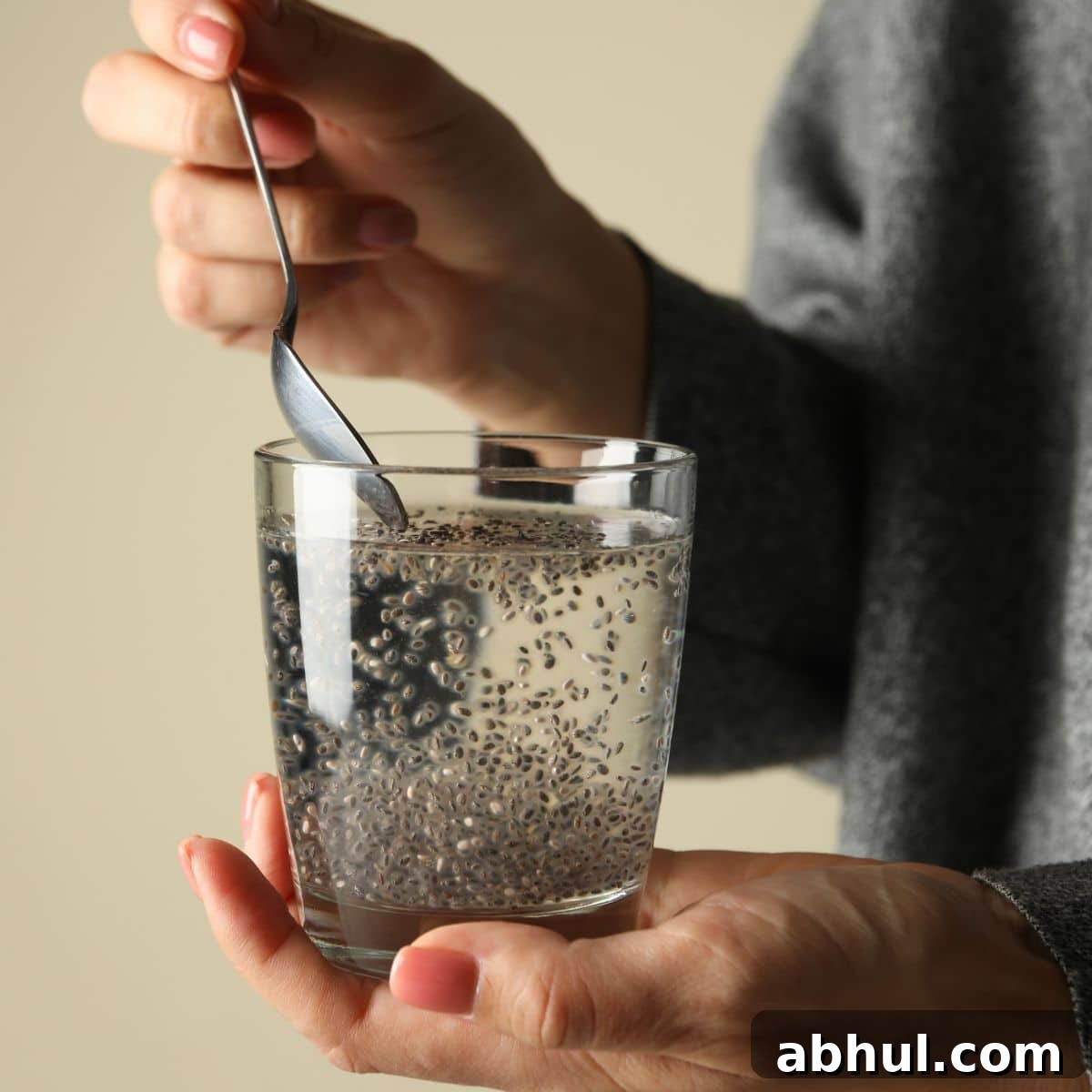
The soaked seeds take on a gel-like texture similar to porridge or thick pudding.
Smoothies
I add a tablespoon of dry chia seeds to my morning smoothie for extra fiber and nutrients. They blend smoothly and increase the nutritional value without changing the flavor.
Yogurt and Oatmeal Toppings
Sprinkling dry chia seeds on yogurt, oatmeal, or cereal is an easy way to up fiber and add a subtle crunch. They enhance texture and nutrition without affecting taste.
Baked Goods
Chia seeds work well in baked goods like muffins, bread, and cookies to add moisture and nutrients. They are generally undetectable in flavor but boost fiber and omega-3 content.
How to Substitute Chia Seeds for Oil in Baked Goods
Chia seeds can replace some oil in recipes by forming a gel when mixed with water. To make a chia “egg” or oil substitute, mix 1 tablespoon chia seeds with 3 tablespoons water and let sit for 10–15 minutes until gelled. This mixture can replace about 1/4 cup of oil, adding fiber and healthy fats while retaining moisture.
Where to Buy Chia Seeds?
I recommend choosing organic chia seeds when possible to reduce exposure to pesticides. Many brands offer organic, non-GMO options in different package sizes depending on how often you use them.
Buying a larger bag can be economical if you use chia seeds frequently, while smaller packages are convenient for occasional use.
| Product Image | Product Name | Primary Button |
|---|---|---|
|
|
|
|
|
|
|
|
FAQs About Chia Seeds
A common recommendation is 1–2 tablespoons per day, but individual needs vary. Start low and adjust based on how your body responds.
Regular chia consumption can support digestive health, heart health, weight management, and increase intake of fiber and essential nutrients.
Chia seeds alone won’t target belly fat. However, their fiber and protein can help with appetite control and support a balanced weight-loss plan when combined with healthy eating and exercise.
Chia seeds are a simple, powerful addition to any diet, offering benefits from improved digestion to heart support and weight-management assistance.
Adding these tiny seeds to meals is an easy, sustainable change that can make a noticeable difference in your long-term health.