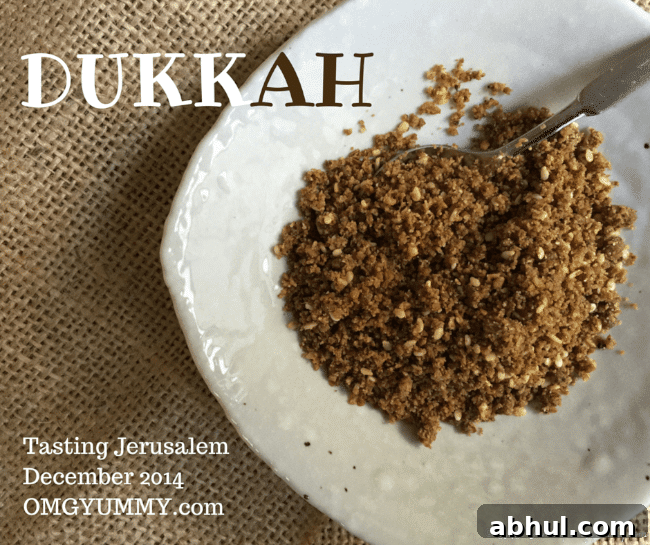
Indelible: making a lasting impression, never to be forgotten.
It may seem an odd word to describe the Egyptian spice blend dukkah, yet its flavors and history linger in the memory.
If you enjoy exploring food, you can find all my Tasting Jerusalem posts collected in one place.
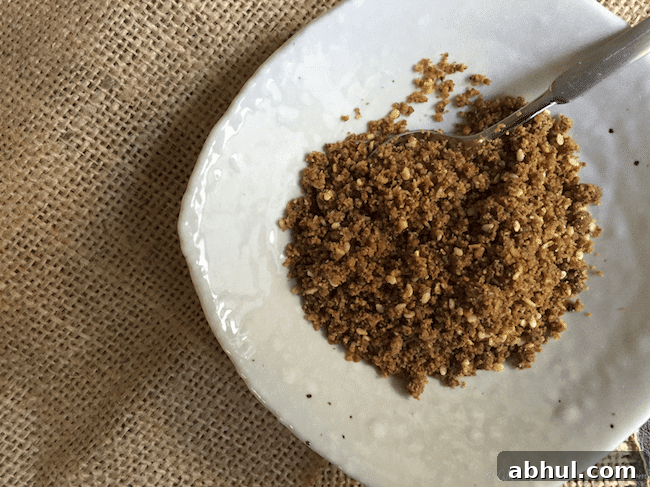
Dukkah has a flavor profile that evokes lasting memories. When my friend Orly (@Yumivore) first described eating it as a child, her stories left an impression—just as the childhood flavors left on her. When I called to hear more from her dukkah memories, her enthusiasm returned immediately: the bread and butter ritual, olive oil when it wasn’t breakfast, the Egyptian pronunciation “do’ah,” and how dukkah, like za’atar, is common across the Middle East, especially in Egypt.
As you read about this evocative spice blend, imagine a virtual trip to the Middle East and consider the many regional variations so you can craft a blend that suits your palate.
Many Ways to Make It, Many Ways to Pronounce It
The Arabic root of dukkah means “to crush” or “to pound,” and in Egyptian it’s pronounced do’ah or DOO-kah. Written references to dukkah in Egypt date back to 1836, when E.W. Lane described it as peasant food used to flavor bread in his book The Manners & Customs of the Modern Egyptians. As with many Middle Eastern spice blends, recipes vary widely by cook in both ingredients and proportions.
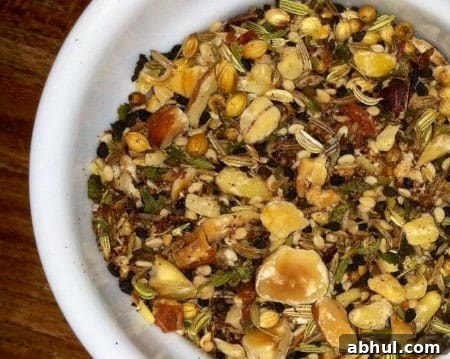
Claudia Roden’s 1968 cookbook A Book of Middle Eastern Food published her mother’s dukkah recipe—the first recipe for the blend widely available outside Egypt. Roden records cumin, coriander, sesame seeds and hazelnuts as the core ingredients, noting that Egyptians often personalize their mixes by substituting peanuts or almonds and sometimes adding dried mint.
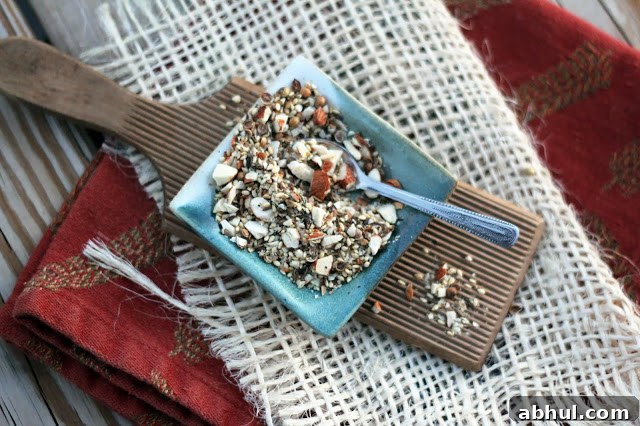
Popular food blogs and writers describe dukkah as a combination of nuts (commonly hazelnuts, pistachios, or almonds) and seeds (cumin, sesame, coriander, fennel), along with pepper, salt, and occasionally dried herbs or chili. The components are lightly toasted and then ground into a coarse powder so the texture remains slightly grainy rather than completely fine.
In the Jerusalem recipe, typical ingredients include hazelnuts, sunflower seeds, fennel, cumin, sesame, coriander, nigella seeds, peppercorns and paprika. Marcus Samuelsson presents an African variant spelled duqqa that features peanuts, pumpkin seeds, sesame, coriander, cumin and herbs like thyme and mint.
Buy my cookbook now!
P.S. If you try this recipe, please leave a star rating or a review in the comments. I appreciate your feedback! For more inspiration, check my social channels or sign up for the email list.
How to Make Your Own Dukkah
Almost any nut can form the base of dukkah. The key technique is to toast each type of seed and nut separately until fragrant, then grind them together into a coarse mixture using a mortar and pestle or a spice grinder. Keeping the texture slightly coarse preserves the blend’s crunchy, nutty character.
Traditionally served as an early evening snack, dukkah is enjoyed by dipping bread first in olive oil and then into the spice blend. It also makes a delicious topping for deviled eggs, as Yumivore recently demonstrated.
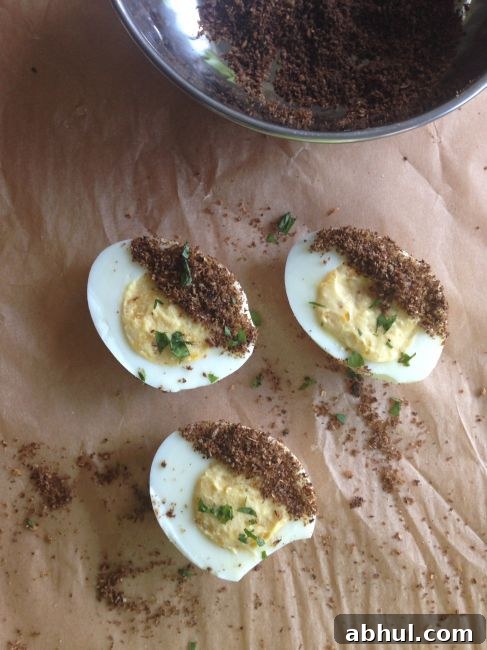
Ottolenghi and Tamimi recommend using dukkah to finish leafy salads, roasted vegetables, hummus or other bean pastes, and cooked rice or lentils. It’s also excellent stirred into yogurt or labneh or sprinkled over pureed soups to add flavor and texture. In Australia, where the blend is especially popular, people often snack on dukkah by itself like a bar snack.
Dukkah Recipes from “Jerusalem” and Beyond:
1. Dukkah, pg 300 (Jerusalem)
2. Dukkah recipe from Hannah of Blue Kale Road
3. Claudia Roden’s dukkah recipe
4. Chocolate and Zucchini blog recipe
Choose one of these recipes or craft your own. I’d love to hear how you personalize the blend to suit your tastes.
Welcome to Tasting Jerusalem
If you’re new to the group, here are a few simple guidelines—mostly to cook and share your experiences.
Group Guidelines:
- How often will we cook: We choose new recipes monthly so participants have time to find ingredients and fit cooking into their schedules.
- Do I need to cook all the recipes? No. Pick the recipes that suit your taste and schedule. Cook as many or as few as you like.
- What do I need to participate: Jerusalem: A Cookbook, curiosity about new flavors, and an Internet-capable device. Monthly details are posted on omgyummy.com and shared via the Facebook page and hashtag #TastingJrslm.
- How to share what you cook: The group is open to everyone. Share photos on Twitter, Facebook or Instagram using #TastingJrslm. If you need help with social media, email beth (at) omgyummy (dot) com for assistance.
- What recipes can be published and how: We aim to cook most recipes over time, but please do not publish full cookbook recipes in your posts unless the publisher has approved them. If you adapt a recipe, note the source and give credit.
- What if I have questions? Organizers monitor the Facebook page and #TastingJrslm hashtag; feel free to ask questions there. Group members are encouraged to share their knowledge and tips.
- What to include if you write a blog post: Let us know and we’ll link to it. When posting, please include a brief note explaining the Tasting Jerusalem group and crediting Jerusalem: A Cookbook as the source.
“Tasting Jerusalem is a virtual cooking community exploring the vibrant flavors and cuisine of the Middle East through Jerusalem: A Cookbook by Ottolenghi and Tamimi. Follow along via omgyummy.com, the hashtag #TastingJrslm, and our social pages to join the conversation and see what others are cooking.”