A Powerful Homemade Antibacterial Spray
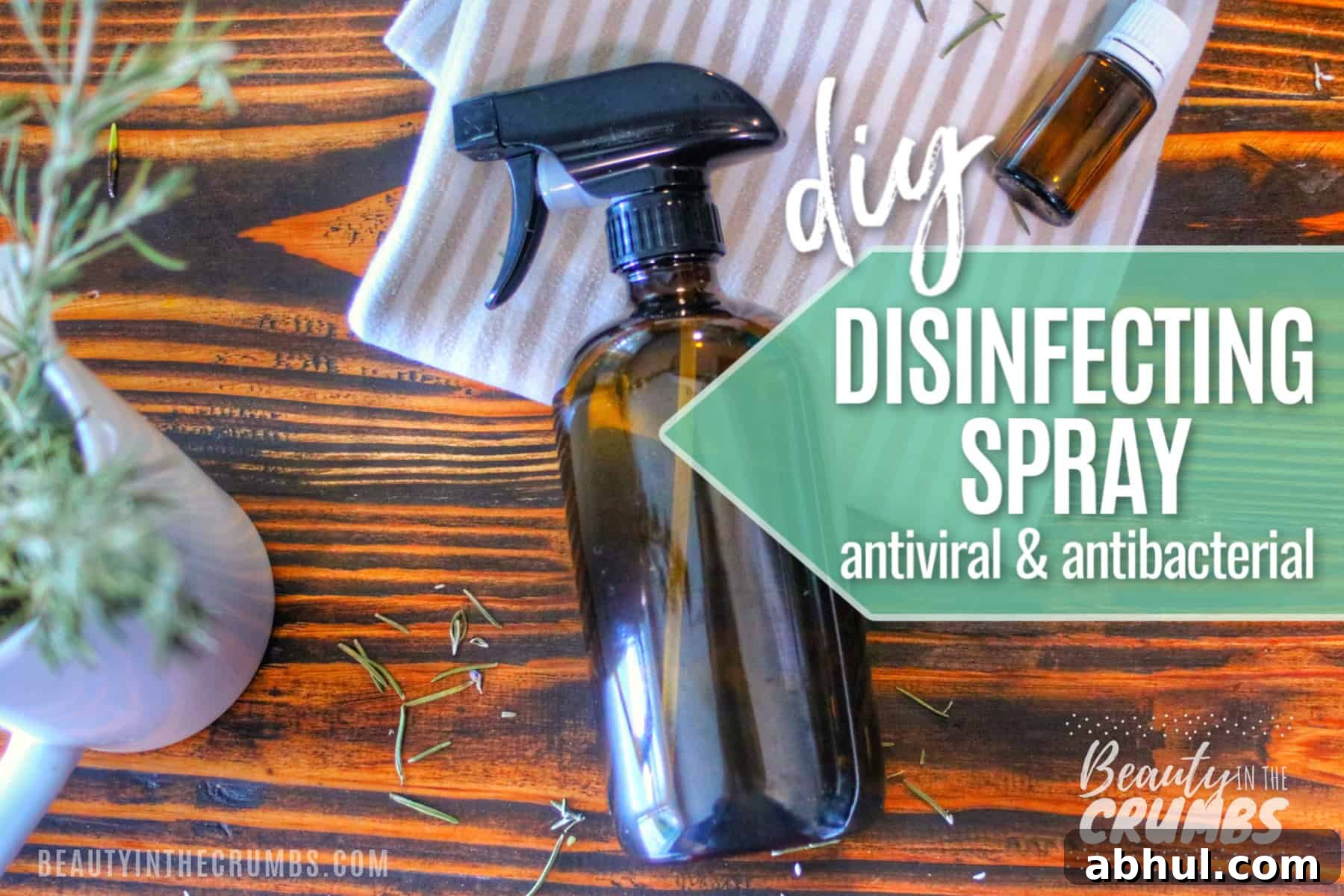
Make an all-natural, cost-effective disinfecting spray that deodorizes, sanitizes, and reduces bacteria and viruses. This DIY antibacterial spray offers multiple approaches — using essential oils, white vinegar, hydrogen peroxide, or alcohol — so you can choose the method that fits your needs and supplies. It’s a natural alternative to many commercial disinfectants.
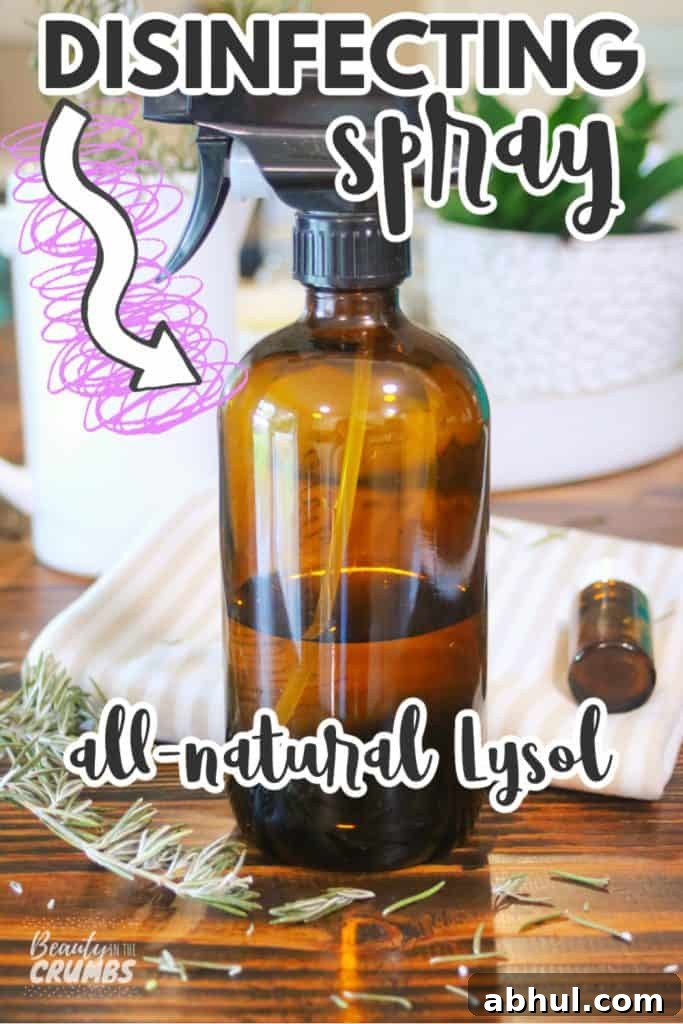
Make Your Own “Lysol” Alternative (Natural Disinfectant Spray)
Disclaimer: This post may contain affiliate links. I only recommend products I use and trust.
I live in a busy household full of little hands, noses, and mouths that constantly introduce germs to surfaces. I disinfect frequently, but I prefer to avoid harsh commercial chemicals when possible. Many major-brand disinfectants contain ingredients that can be harmful to lungs and overall health, and they can kill beneficial bacteria as well.
This homemade disinfectant spray provides a safer, effective option. It uses simple ingredients and can be adjusted to emphasize antibacterial or antiviral properties depending on the recipe you choose.

Because kids are kids, I keep disinfectant accessible in key areas and use a natural spray that cleans well without the harsh warnings that come with many store-bought products.
Related: 9 Powerful DIY Cleaners that Cost Pennies to Make
Natural DIY Disinfecting Spray Ingredients
Most versions require only 3–4 core ingredients plus water, depending on the formula. Below is an overview of the common ingredients and why they are useful in a homemade disinfectant.
Alcohol
High-proof alcohol, such as vodka or rubbing (isopropyl) alcohol, is effective at sterilizing surfaces. Vodka is an accessible option for households that prefer food-grade alcohol, while isopropyl alcohol (at the recommended concentrations) is commonly used as a disinfectant.
Please check the updated recipe below following CDC guidelines for an antiviral disinfectant spray.
White Vinegar
White vinegar is a strong, food-safe cleaner that removes bacteria, mold, and some pollutants. The initial vinegar scent dissipates quickly while the cleaning action continues. Vinegar has demonstrated effectiveness against certain viruses when used appropriately, and it lingers on surfaces longer than alcohol.
Want a DIY disinfectant spray without vinegar?
If you dislike the smell of vinegar, replace it with additional essential oils or increase the alcohol ratio. Both adjustments can maintain cleaning power while changing the scent profile.
Essential Oils
Quality essential oils add antibacterial and antiviral properties along with pleasant fragrance. Popular choices include tea tree, lavender, peppermint, clove, cinnamon, rosemary, lemon, and blends like Thieves. Choose reputable, pure oils and research pet safety, as some oils are harmful to animals.
For pet owners: research which essential oils are safe for your pets. Tea tree oil, for example, can be toxic to dogs.
Other Ways to Make Disinfectant Room Spray
Hydrogen Peroxide Based Spray
Hydrogen peroxide (3%) is an effective disinfectant. Use it undiluted in a spray bottle and optionally add essential oils for scent and added antimicrobial action. Note: hydrogen peroxide can bleach fabrics and is best for hard surfaces.
Isopropyl Alcohol Spray
Use at least 70% isopropyl alcohol for antiviral effectiveness. If you have higher concentration alcohol (90%+), dilute slightly with vinegar to help the solution remain on surfaces longer. Store and use with caution; keep away from children and avoid contact with eyes and ingestion.
Vinegar-Based Spray
White vinegar alone is a great antibacterial cleaner for kitchens and food-prep surfaces. For improved virus-fighting ability, combine vinegar with a high-proof alcohol or hydrogen peroxide and add essential oils. Vinegar’s residue helps it continue killing bacteria after application.
Homemade disinfectant spray essential oil combos:
- Springtime: 18 drops lemon + 12 drops lavender
- Icy Fresh: 20 drops peppermint + 10 drops orange
- Green Clean: 12 drops tea tree + 10 drops peppermint + 8 drops rosemary
- Warm & Spicy: 14 drops cinnamon + 8 drops clove + 6 drops orange
- Squeeze of Summer: 20 drops lemon + 10 drops orange
What kind of bottle should you store your disinfectant spray in?
Store the spray in glass whenever possible. Alcohol and vinegar can degrade plastic over time and essential oils are especially likely to erode plastic containers. Use colored glass (amber or cobalt) to protect essential oils from UV light and preserve their potency.
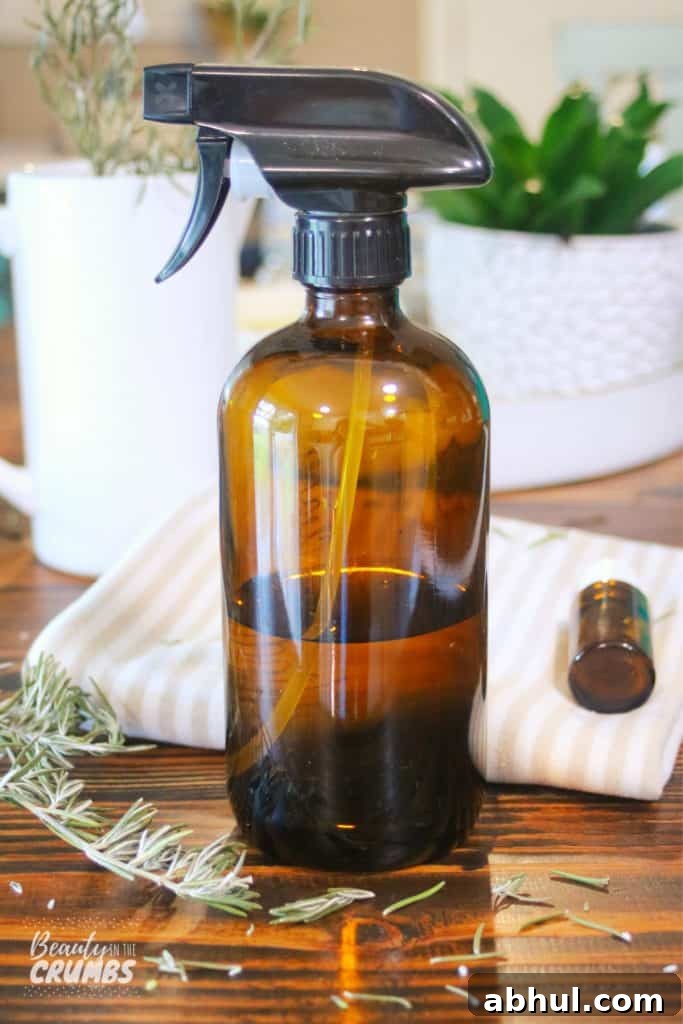
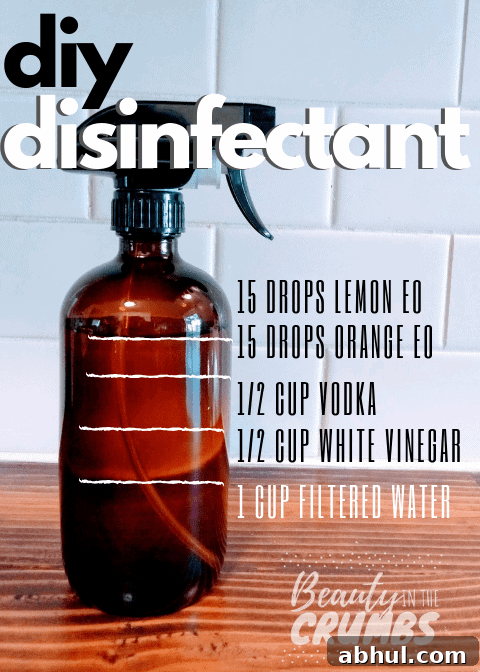
Ingredients you need for your DIY Disinfectant
- 1 cup filtered water
- 1/2 cup vodka or rubbing alcohol (40% alcohol or higher)
- 1/2 cup white vinegar
- 15–30 drops essential oils of choice
See antiviral measurements below for an option formulated to meet CDC guidance for virus control.
Directions
- Combine ingredients in a spray bottle (glass recommended), secure the top, and shake to mix.
- Shake gently before each use. Spray surfaces lightly and allow to sit.
Antiviral disinfectant spray measurements
Updated guidance: For antiviral effectiveness, aim for solutions that keep alcohol at approximately 70% or use 3% hydrogen peroxide. Below are recipe options that align with those standards.
Antiviral Disinfectant with High-Proof Alcohol
- 1 1/2 cups isopropyl alcohol (or high-proof ethanol), 90–99%
- 1/4 cup + 2 tbsp white vinegar
- 30 drops antiviral essential oils
Antiviral Disinfectant with 70% Isopropyl Alcohol
- 1 1/2 cups isopropyl alcohol, 70%
- 30 drops antiviral essential oils
Antiviral Disinfectant with Hydrogen Peroxide
- 1 1/2 cups hydrogen peroxide, 3%
- 30 drops antiviral essential oils
- Note: hydrogen peroxide can bleach fabrics—avoid colored or unsealed textiles.
Note: For antiviral recipes, avoid diluting with plain water so the active ingredient remains at the recommended concentration. Vinegar may be used instead of water because it helps the solution remain on surfaces longer and supports antibacterial activity.
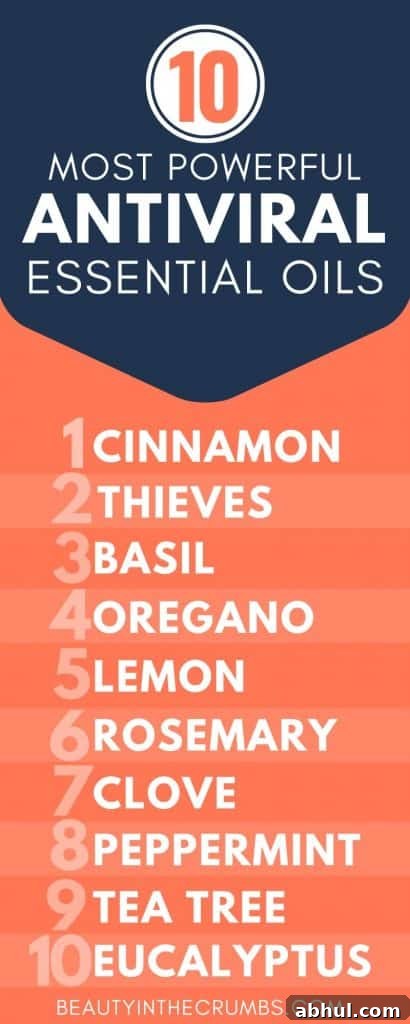
Top 10 Antiviral Essential Oils
Some powerful antiviral essential oils to consider: Thieves blend, cinnamon, lemon, basil, oregano, peppermint, clove, eucalyptus, tea tree, and rosemary. Choose quality oils and verify safety for household members and pets.
To Use Your DIY Disinfecting Spray
Mist surfaces lightly and allow the spray to sit for 5–10 minutes for proper contact time. Wipe away any excess with a dry cloth if desired. Some finishes may be sensitive to alcohol—test in an inconspicuous spot first and wipe surfaces after the contact time if needed to protect finishes.
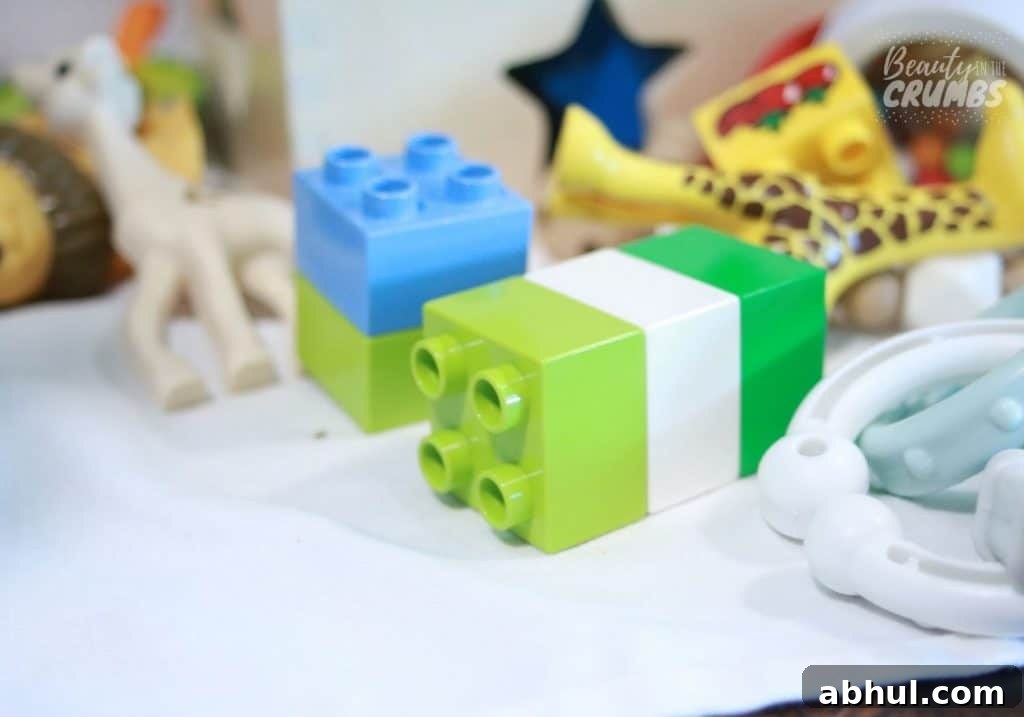
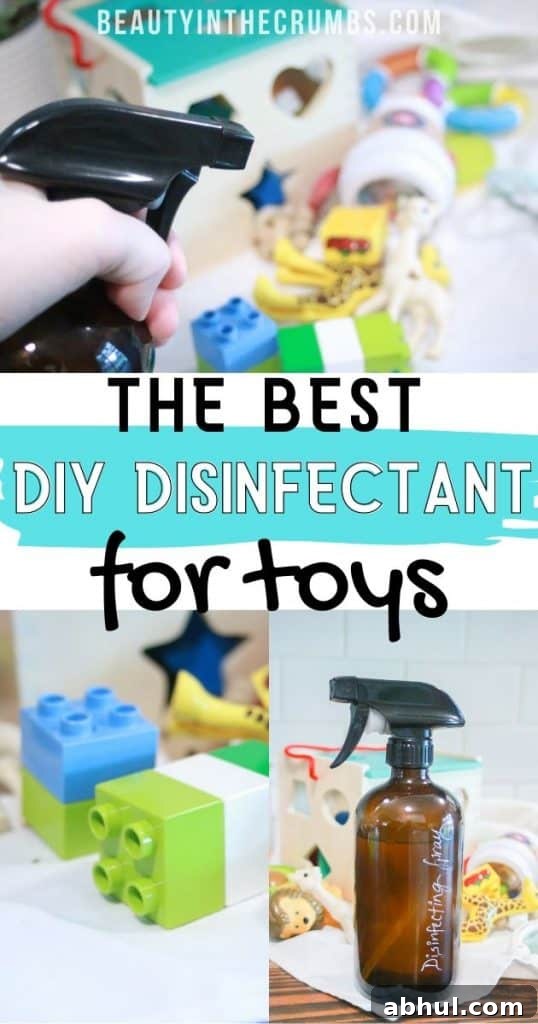
Can you use this DIY disinfectant spray for toys?
Yes. When made with food-grade vodka rather than high-strength isopropyl alcohol, this spray is suitable for toys, including those babies put in their mouths. Mist toys and let the solution sit for about 10 minutes, then wipe with a dry cloth to remove any residue for frequently mouthed items.
I use this spray on many household surfaces: toys, toilet seats, light switches, counters, tabletops, chairs, door handles, remotes, and diaper changing areas. Keep bottles stored safely and out of reach of small children when not in use.
Now you can make an effective, safer disinfecting spray at home tailored to your needs and preferences.