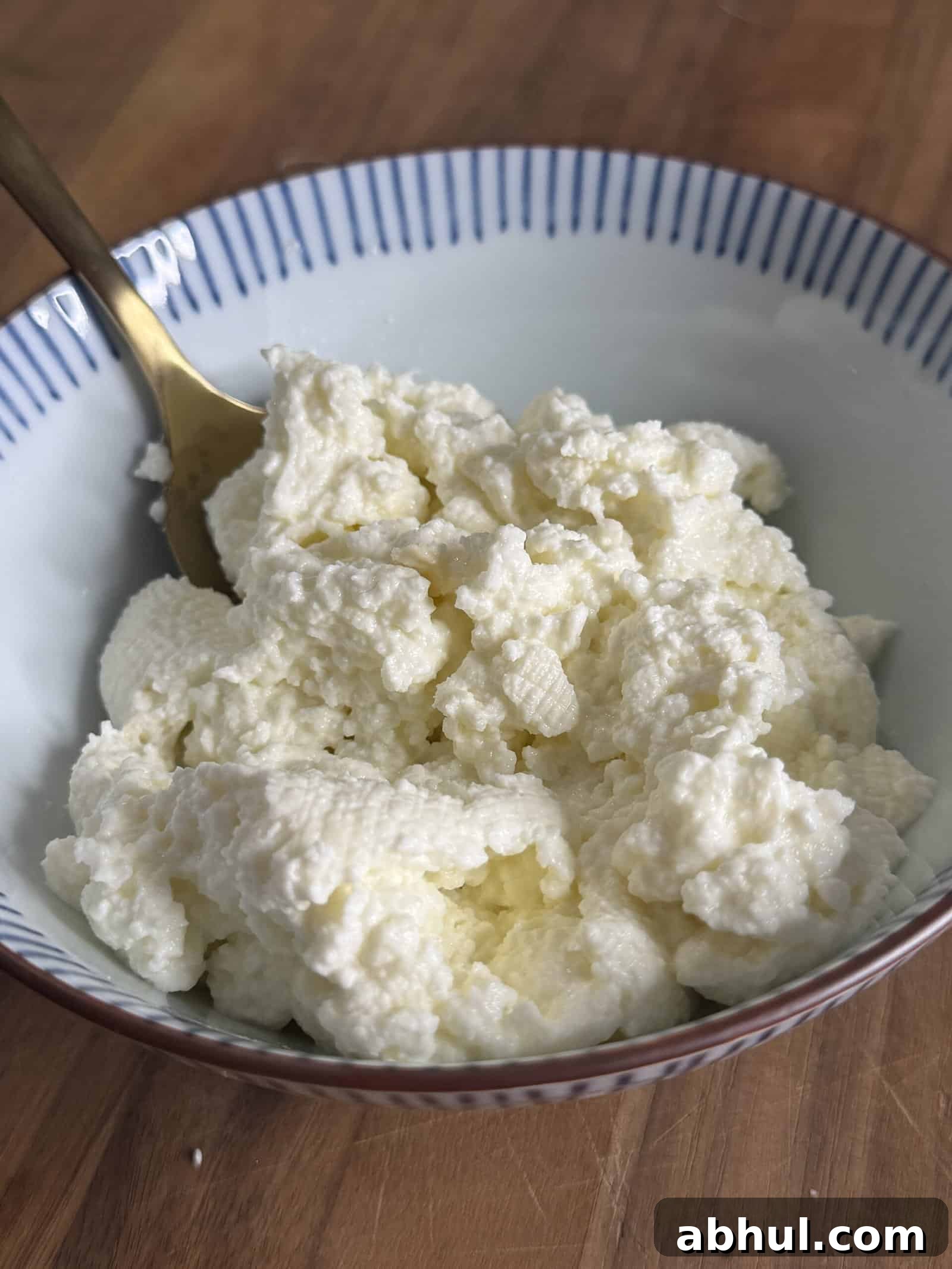
With just three ingredients and about 30 minutes, you can make fresh, creamy homemade ricotta that tastes far better than the tub from the store. It’s rich, delicate, and once you try it you’ll likely prefer it to packaged ricotta.
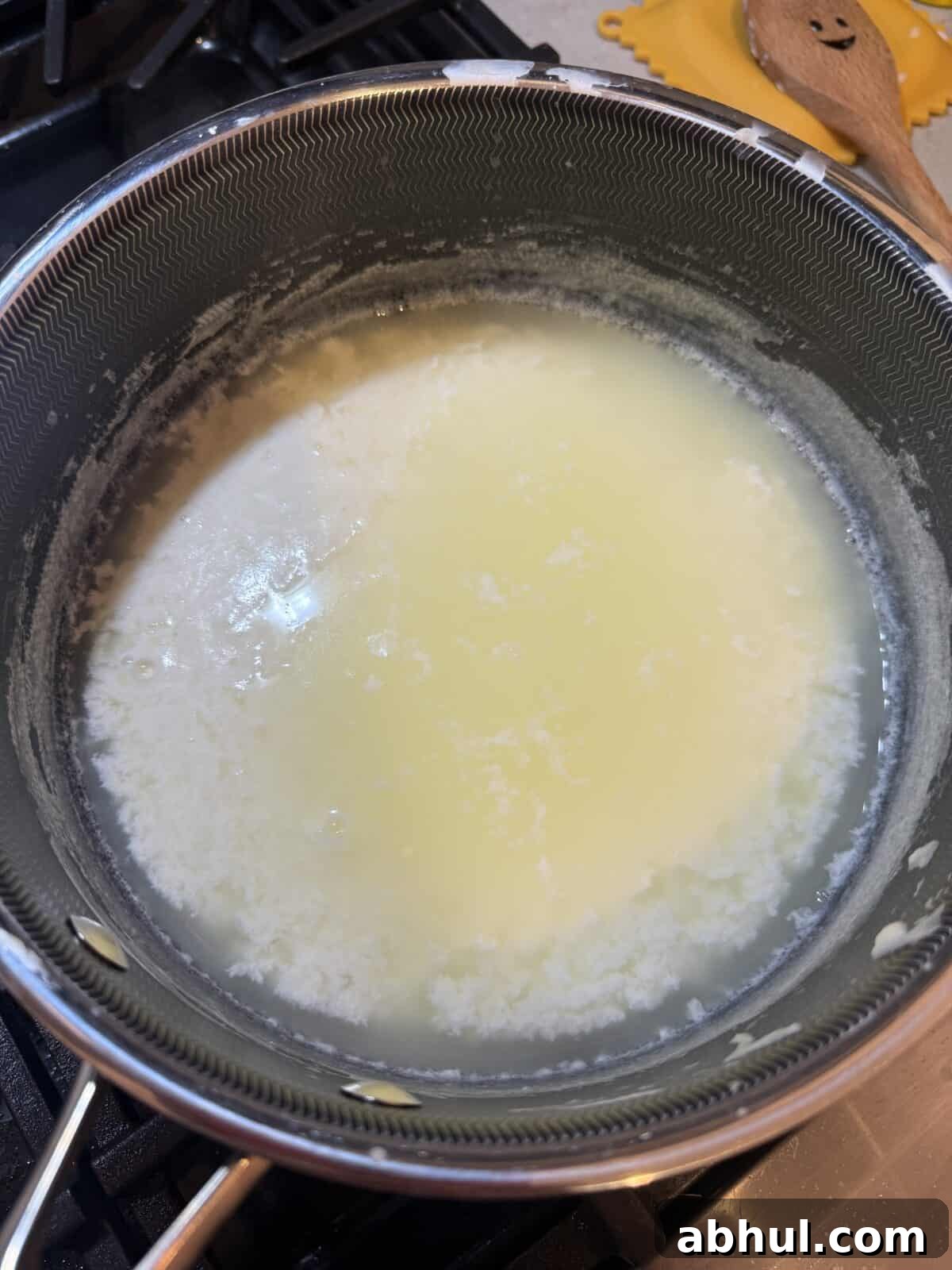
Ricotta is made by separating curds from whey. The curds are the milk’s proteins and fats that clump together to form the cheese, while the whey is the thin, yellowish liquid left behind. Don’t discard the whey — it’s useful in baking and cooking. Swap whey for water in pancakes, bread or pizza dough for added flavor and nutrition.
❤️ Why You’ll Love Homemade Ricotta
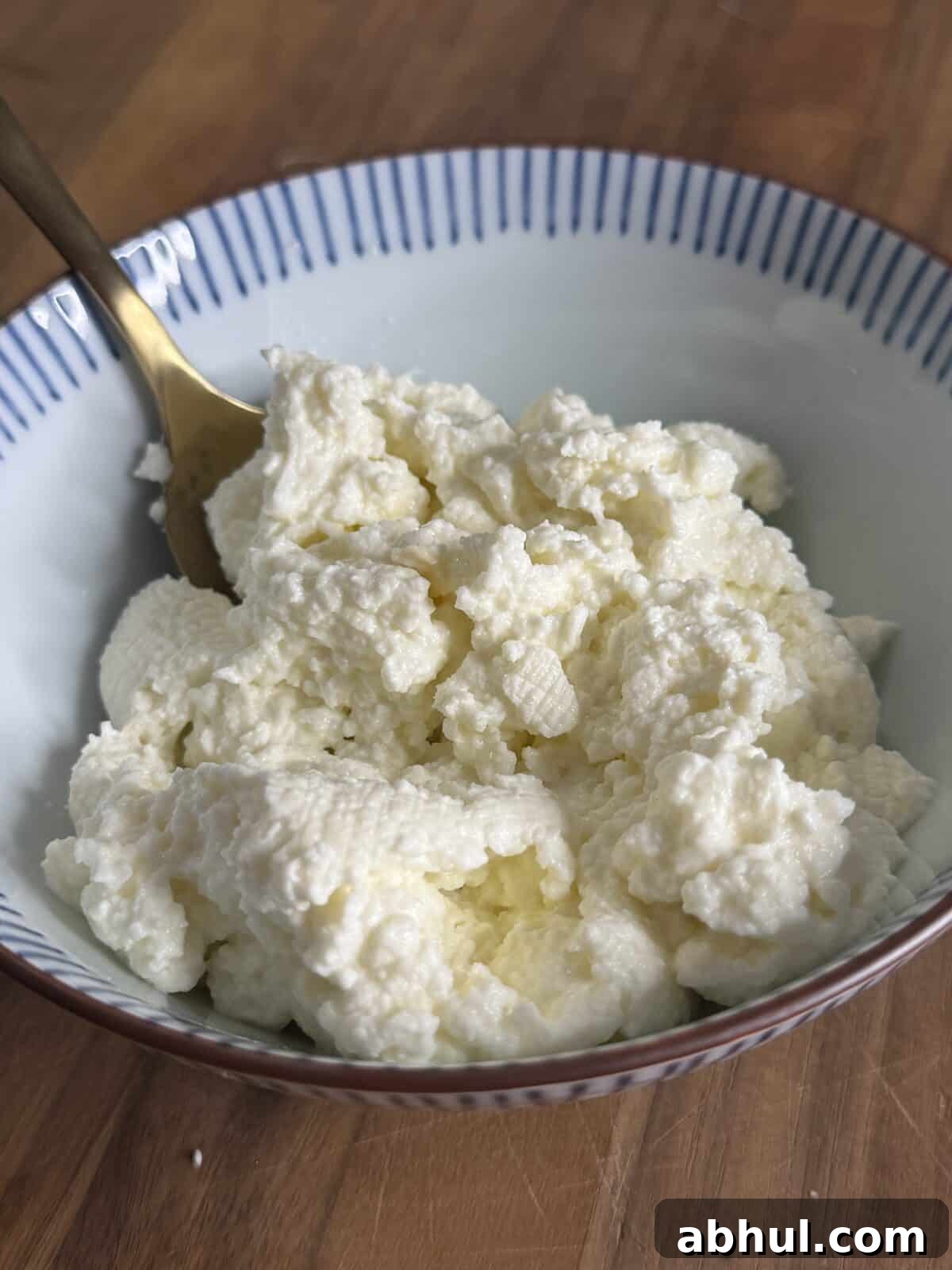
Making ricotta at home is easier than it looks. It’s a forgiving recipe that rewards a single try — and you’ll find yourself making it often. It’s great for everyday meals or when you want to impress guests.
The best part is control over texture. You decide how wet or dry the ricotta will be by adjusting how long you let it drain, or by folding some whey back in if you want it looser.
Use wetter ricotta for pizza, ricotta toast or creamy spreads. Drain it longer for a firmer ricotta suitable for gnocchi, cannoli filling, or other preparations that need structure.
🍲 Ingredients
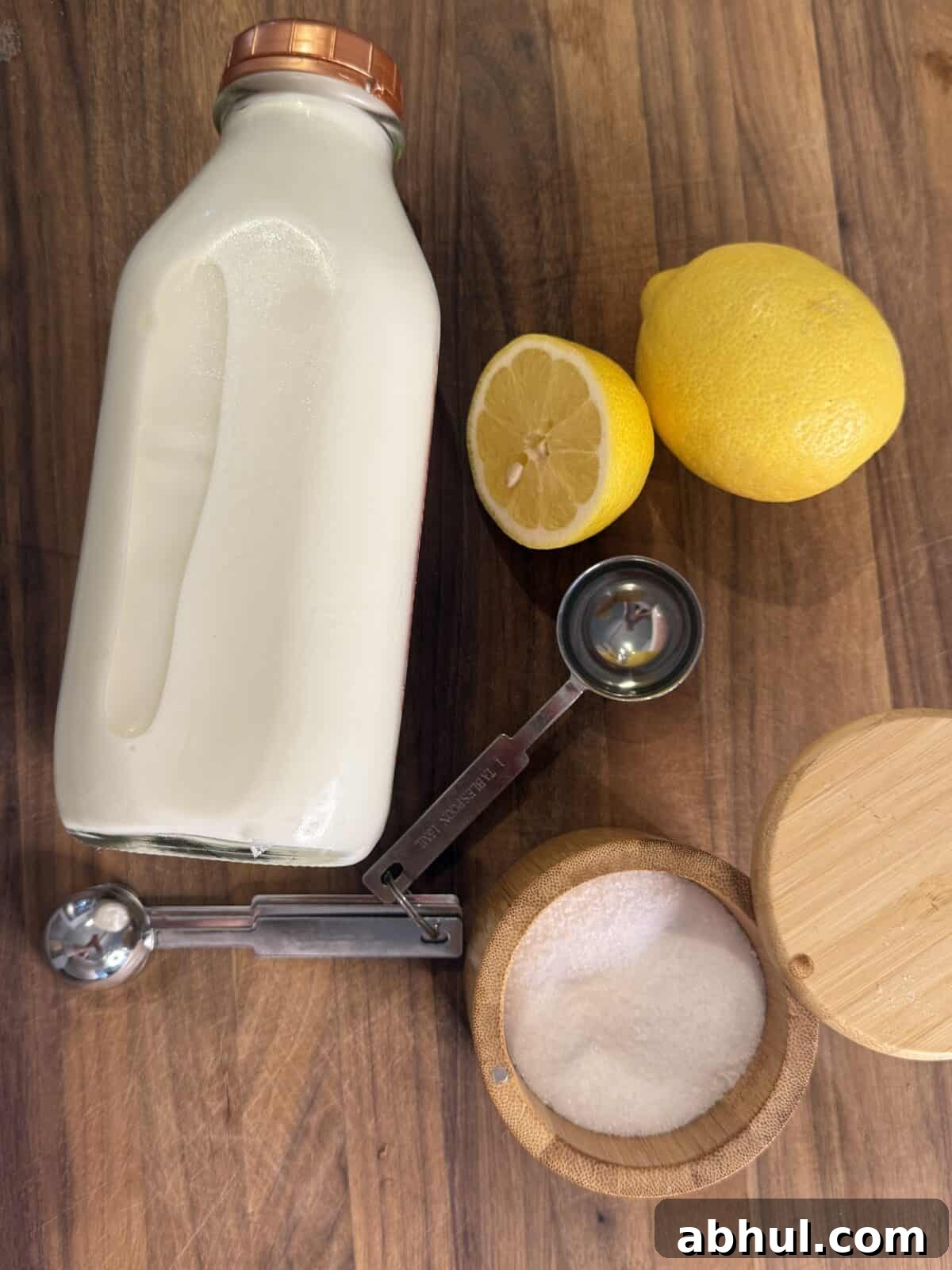
Whole milk — Whole milk produces the creamiest ricotta. Avoid ultra-high temperature (UHT) pasteurized milk, which alters proteins and prevents proper curd formation.
Lemon juice — Freshly squeezed lemon juice is my preferred acid. Distilled white vinegar or citric acid also work. The acid causes the milk to separate into curds and whey.
Salt — Optional but recommended for seasoning. Add it after curds form if you’re concerned about interfering with curd development.
👩🍳 How to Make Homemade Ricotta
Warm the milk to about 200°F (93–95°C).
Gently heat whole milk with a pinch of salt over medium heat. Stir occasionally and avoid boiling. The milk should become steamy and slightly foamy when it reaches the target temperature.
Add the lemon juice.
Remove the pot from heat, add the lemon juice, and stir gently a couple of times to combine.
Let the milk rest for 10 minutes.
Leave the mixture undisturbed for about 10 minutes. The milk should separate into white curds and a thin yellow whey. Check with a slotted spoon. If separation is incomplete, add another tablespoon of lemon juice or vinegar and wait a few more minutes.
Strain the curds.
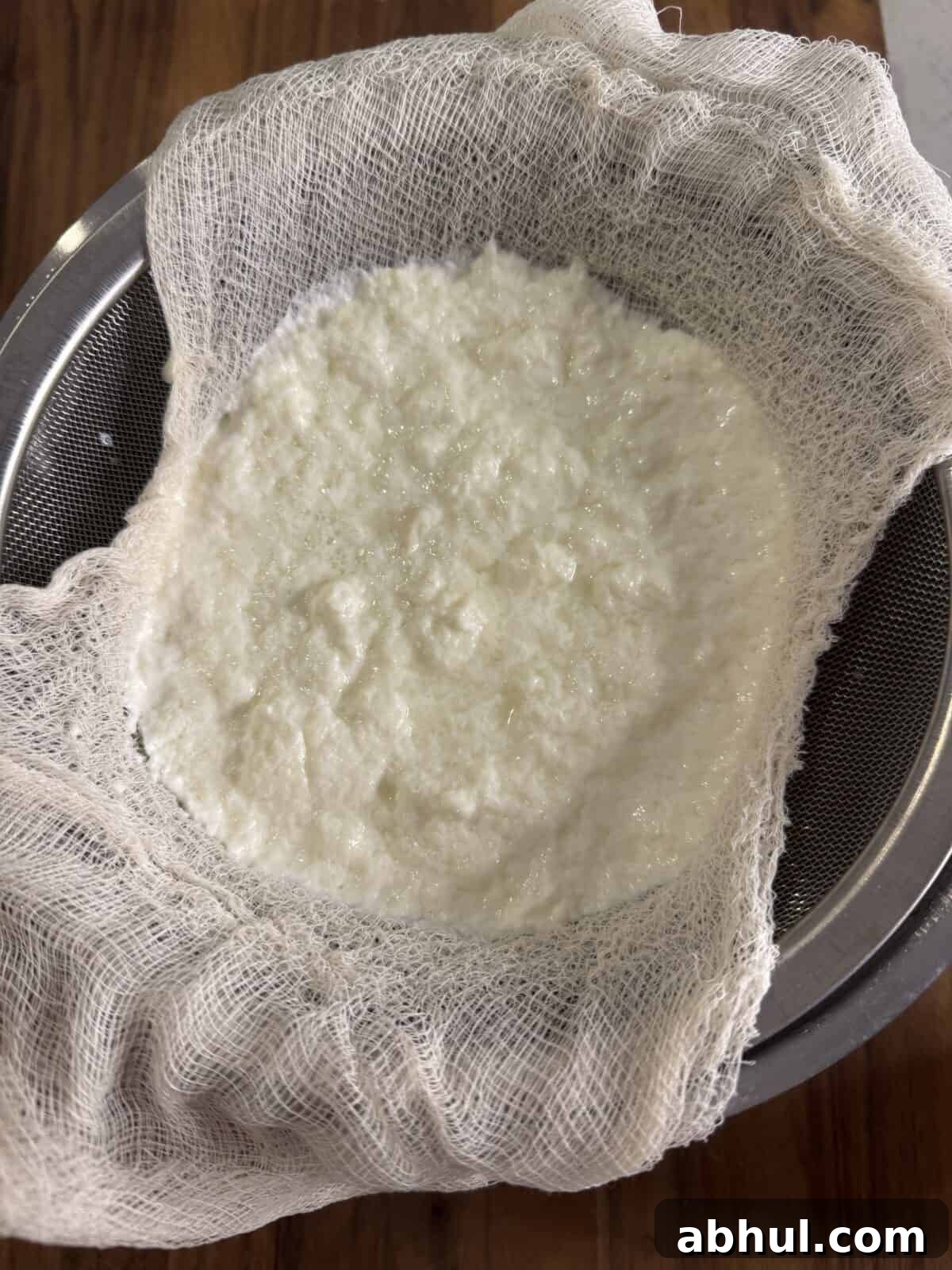
Line a fine sieve or strainer with cheesecloth and set it over a large bowl. Pour the curds and whey into the lined strainer to separate the curds.
Drain 10–60 minutes, depending on desired texture.
Let the curds drain at room temperature between 10 and 60 minutes. Shorter draining gives soft, spreadable ricotta; longer draining yields a drier, firmer result. If it dries out too much, stir some reserved whey back into the curds before serving or storing.
🪄 Tips and Tricks
- Heat slowly. Warm the milk gently to avoid scorching or forming a skin that alters flavor.
- Strain time determines texture:
- 10–15 minutes for creamy, spreadable ricotta
- 30+ minutes for firmer ricotta, good for baking and stuffing
- Save the whey. It’s nutritious and adds flavor to pancakes, bread, smoothies, and soups.
🗒 Substitutions
- 2% milk: Works if you don’t have whole milk, though the ricotta will be less rich. Avoid skim or nonfat milk; they don’t separate as reliably.
- Pasteurized milk: Regular pasteurized milk is fine, but do not use UHT milk since its protein structure prevents curdling.
🗒 Best served with
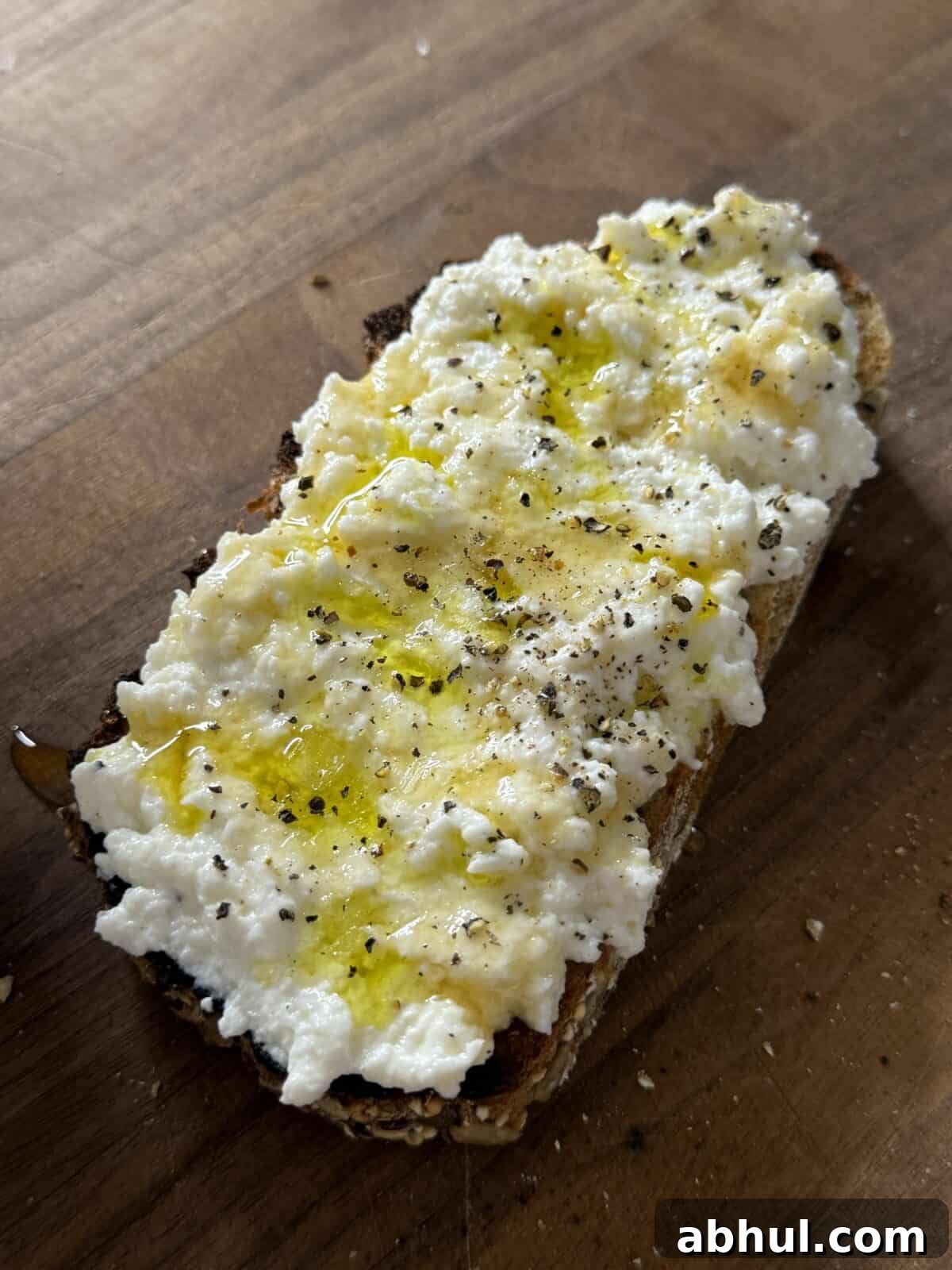
- Toasted bread for ricotta toast
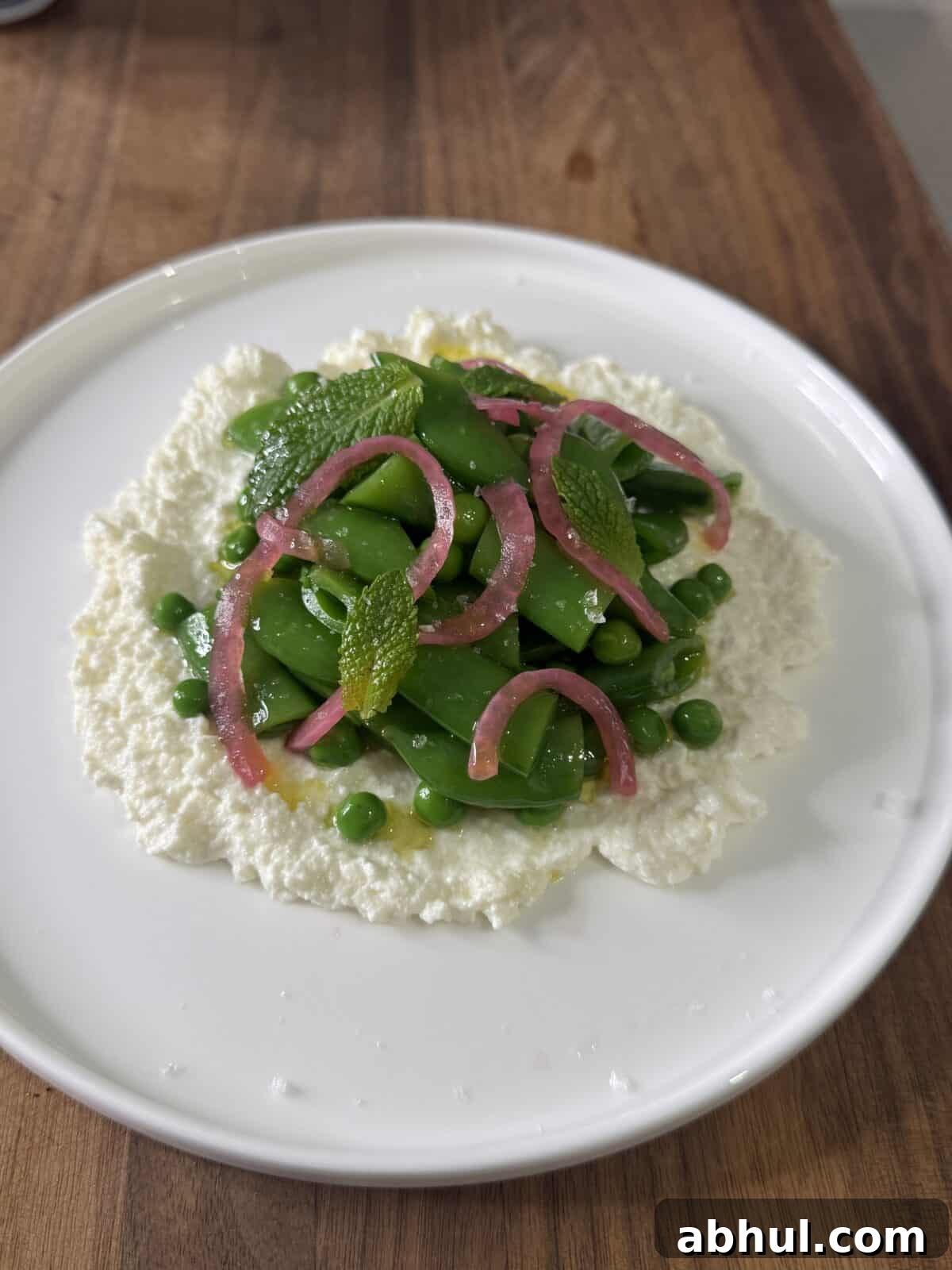
- Added to salads for extra creaminess and protein
- Used as a filling for cannoli
- As a base or component in gnocchi
👝 How to Store Leftover Homemade Ricotta
Store fresh ricotta in an airtight container in the refrigerator for up to one week. Keep any reserved whey in a separate sealed container for use in recipes.
🤔 Common Questions
No — ricotta depends on dairy proteins to coagulate, so non-dairy milks will not form the same curds.
Common causes:
• The milk was ultra-pasteurized (UHT).
• The milk wasn’t hot enough — it should be near 185–200°F.
• Not enough acid was added.
If you have suitable milk, reheat to about 200°F, add another teaspoon of acid, and let it rest until curds form.
Homemade Ricotta
4 people
Equipment
-
cheesecloth
-
temperature probe
Ingredients
- 4 cups Whole milk
- 3 tbsp Lemon juice (fresh)
- 1/2 tsp Salt
Instructions
Warm the milk to 200°F.
-
Heat whole milk with a pinch of salt over medium heat until it reaches about 200°F, stirring occasionally. Do not let it boil.
Add the lemon juice.
-
Remove from heat, stir in the lemon juice gently two times to combine.
Let the milk sit for 10 minutes.
-
Let stand undisturbed for 10 minutes for curds to form. If separation is incomplete, add 1 tablespoon more acid and wait a few minutes.
Strain the curds.
-
Line a strainer with cheesecloth, set over a bowl, and pour the curds and whey into the strainer to separate.
Drain the curds 10–60 minutes.
-
Drain at room temperature. Short draining yields soft ricotta; longer yields a firmer texture. If too dry, stir some whey back in.
Nutrition
,
Carbohydrates: 12g
,
Protein: 8g
,
Fat: 8g
Nutrition information is approximate.