Many home cooks skip preheating the oven and then blame the recipe when cookies spread too much or cakes bake unevenly. This is a common, easily fixed problem. Understanding why preheating matters helps you get consistent results without changing a single ingredient.
This post may contain affiliate link(s). As an Amazon Associate, I earn from qualifying purchases. See Disclosures.
Skipping preheating often seems harmless, especially when you are pressed for time. But that initial, steady surge of heat affects how food rises, sets and browns from the very first minute. This article explains why preheating matters and when you can safely bend the rule so you know when to follow instructions exactly and when a cold start is intentional.
What preheating actually does
Preheating isn’t just about the number on the display. It brings the entire oven—air, walls, racks and any baking equipment—to an even, stable temperature so food starts cooking immediately and predictably. That steady environment supports structure, promotes even browning and helps recipes hit their expected bake times. If the oven is still warming up while your dish is already inside, the results become less predictable.
Many ovens beep before they are genuinely ready. The sensor that triggers that signal is often near a wall and not in the center where your pan sits. While a brief reading may reach the target, the rest of the cavity and heavy pans may still be cooler. Stability matters more than a single reading, and in baking small differences show up in the final texture and rise.
Oven sensors can be misleading
Ovens measure temperature in a limited spot, not across the whole cavity. As the appliance heats it cycles on and off to maintain the set temperature, which creates natural hot and cool zones. During that warm-up the thermostat can overshoot or dip below the target a few times before settling.
Racks, baking stones and heavy pans take longer to absorb heat, so these items lag behind the air temperature. Placing food in the oven before that heat has stabilized makes baked goods and roasted items behave unpredictably.
Preheating matters for baking
Cakes, quick breads and yeast doughs rely on early, consistent heat to set structure. That initial burst helps leavening agents activate and traps air so batter or dough can rise properly. This is why many muffin and quick-bread recipes begin at a higher temperature—the first minutes help create those tall, rounded tops.
If the oven isn’t fully preheated, batter and dough can rise too slowly or unevenly, producing dense crumbs, sunken centers or flat loaves that don’t recover. Those issues are less about technique and more about the oven temperature at the start of baking.
Spread and texture
Cookies and pastries are particularly sensitive to oven temperature. In a cool oven, butter melts before structure sets, causing excessive spread and a greasy, thin texture. Uneven heat leads to pale tops with overbrowned bottoms or inconsistent results between trays. A properly preheated oven helps cookies set quickly and brown evenly across the pan.
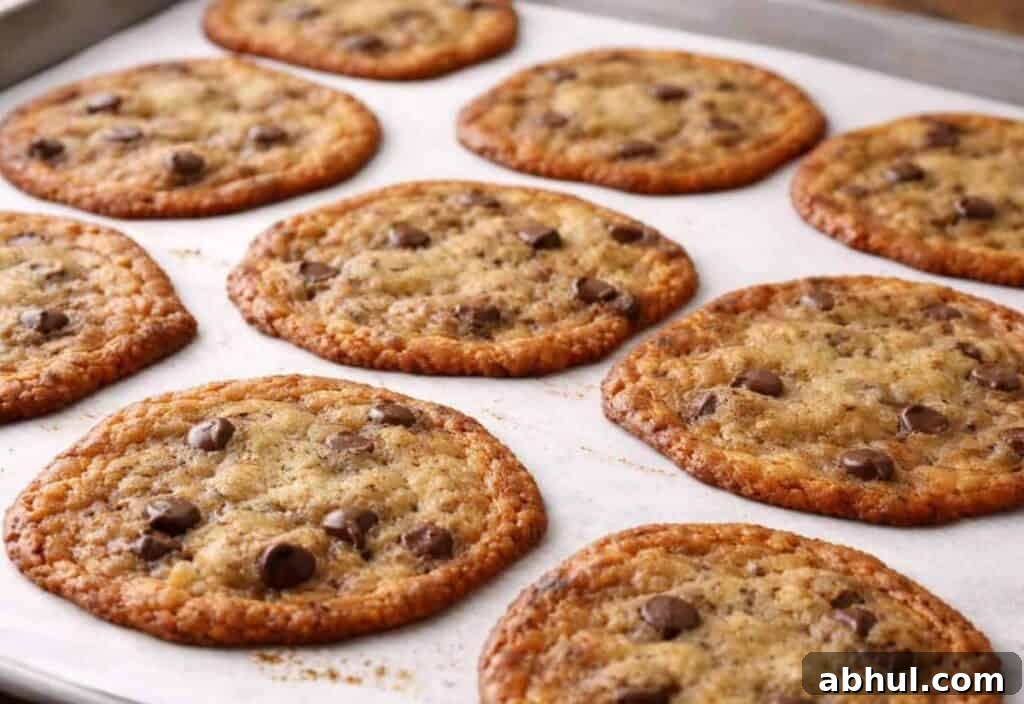
This is especially noticeable with slice-and-bake cookies or delicate shortbreads where temperature control determines spread. Skipping preheating often causes cookies to melt into wide, flat rounds instead of holding their intended shape.
Not preheating doesn’t always ruin food, but it adds variables that make outcomes less predictable. Common problems include:
- Longer bake times that dry out edges before the center finishes.
- Pale tops or scorched bottoms from uneven heat distribution.
- Inconsistent batch-to-batch results despite using the same recipe.
Many home bakers blame ingredients or technique, when the actual problem began the moment the pan went into a cold or unevenly heated oven.
Starting from a cold oven can work
Kitchen rules have exceptions, and preheating is no different. The difference is intention: recipes that call for a cold start are designed for the slower ramp in temperature and compensate in time and technique.
Slow roasts and certain braises
Large cuts and some braises benefit from gradual heating. Starting in a cold oven lets fat render slowly and proteins relax, producing tender meat. These methods rely on gentle, extended cooking rather than an immediate temperature shock.
Recipes designed for cold starts
Some recipes explicitly instruct you to begin in a cold oven. Those recipes account for the slower heat build and adjust timing and technique accordingly. Follow the recipe as written—cold starts work when they are deliberate, not accidental.
How long does preheating really take
Most ovens take longer to stabilize than the initial beep implies. While many reach the set temperature in 10–15 minutes, real stability can take longer. In my kitchen, for example, a full 20 minutes was necessary to reach and hold the correct temperature, a detail I confirmed with an oven thermometer.
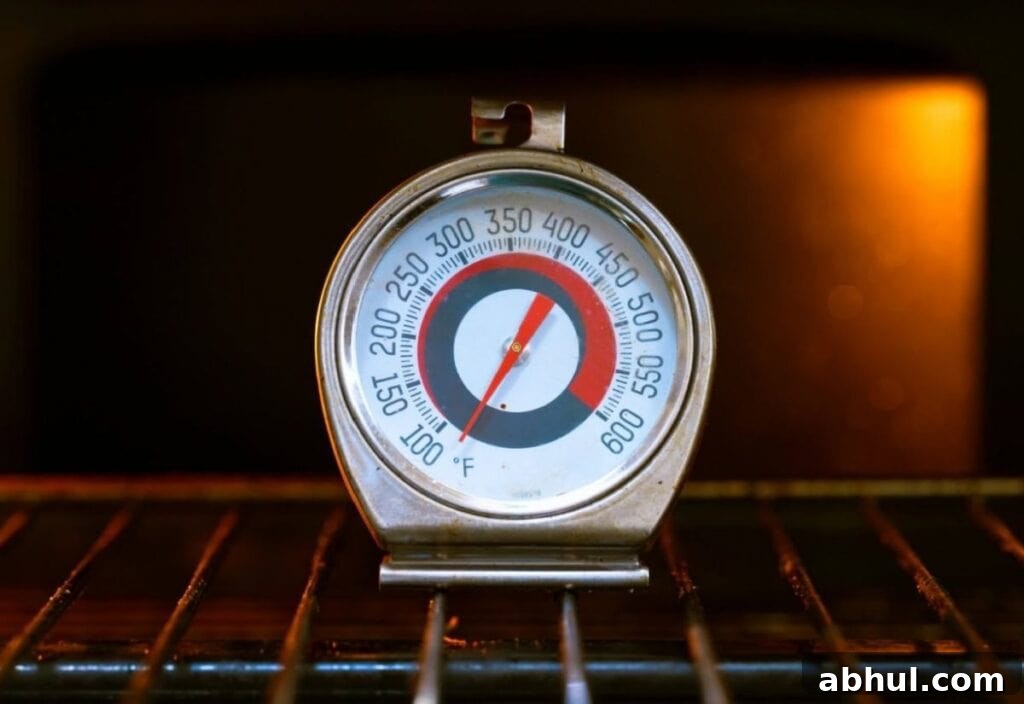
Electric ovens usually heat more evenly; gas ovens may cycle more aggressively. Heavy bakeware—baking stones, cast-iron or thick sheet pans—adds preheating time because they absorb and hold heat. Different materials respond differently, so when I use heavy pans I always allow extra minutes to ensure even baking.
Simple habits that make preheating reliable
A few small habits make preheating more accurate and dependable. These steps take little effort but greatly improve consistency:
- Use an oven thermometer to verify the actual temperature.
- Preheat with racks and any intended bakeware in place so everything heats evenly.
- Allow a few extra minutes after the beep before putting food in the oven.
- Avoid opening the door early, which releases built-up heat and extends preheat time.
Learning your oven’s behavior and using these habits removes one of the biggest variables in home baking and roasting.
“I have definitely noticed a difference when I’m in a rush and skip preheating the oven. Cookies spread too much, and muffins or quick breads just do not rise the same way. Starting with a fully heated oven helps everything bake evenly and set properly from the beginning. I have to remind myself to be patient and let the oven fully preheat, because those few extra minutes really do make a difference in the final result.”
— Kristin King, Dizzy Busy and Hungry
The bottom line
Preheating the oven isn’t fussiness—it’s setting the stage for predictable, consistent results. Taking a few minutes to preheat properly removes a major source of baking frustration and makes outcomes more reliable. When recipes require a cold start, follow those instructions; otherwise, give your oven the time it needs so your bakes perform as intended.
Jere Cassidy is the writer and recipe developer behind the blog One Hot Oven. She studied at culinary school to expand her baking skills and now shares straightforward recipes for home cooks of all levels. When not in the kitchen, Jere enjoys traveling to discover new foods and flavors.