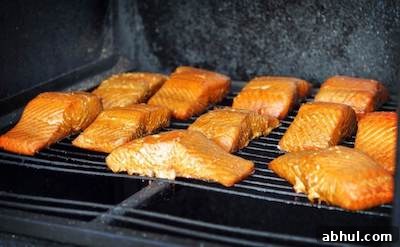
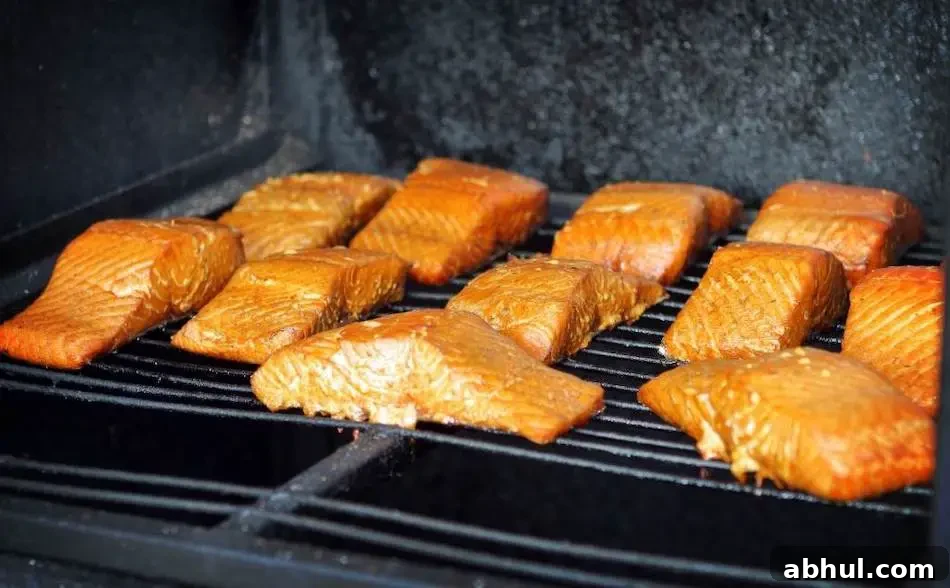
Smoke and fish are a classic pairing, but fish flesh is delicate and some woods or heavy smoke can overwhelm it. Electric smokers are ideal for smoking fish because they generate a gentler smoke profile than charcoal or offset smokers. Below I explain how to hot- and cold-smoke salmon and other fish in an electric smoker, including times, temperatures, brining tips, wood choices, and finishing ideas.
In an electric smoker you can hot- or cold-smoke fish: expect roughly 1 hour at 220°F for a quicker, firmer result, or around 4–6 hours at 170–180°F for a slower, more tender outcome. Brining—wet or dry—enhances flavor and moisture. Choose mild woods (alder, pecan, apple, cherry) rather than strong, resinous woods to avoid overpowering the fish.
Key Points
- Electric smokers work well for hot or cold smoking fish; higher temps shorten cook time while lower temps change texture and flavor.
- Taste and texture depend on smoking temperature: higher heat produces firmer, flakier fish; lower heat yields a softer, more delicate texture.
- Brining is recommended: use a short dry-brine or a wet brine to add flavor and retain moisture.
- Use mild woods—alder, pecan, apple, cherry, or maple—to complement the fish without overwhelming it.
- Common smoking range: 170°F–220°F. Lower-range cooking may taste better to some but requires careful handling to avoid bacterial risk.
- Cooking time depends on fish thickness and smoker temperature. Monitor internal temperature with a thermometer; USDA recommends 145°F for fish.
- Fish is often done when it flakes easily, becomes opaque, and firm to the touch; salmon may also show white proteins seeping to the surface.
- After smoking, rest fish 10–15 minutes before serving to let juices settle.
| Method | Temperature | Time | Notes |
|---|---|---|---|
| Hot Smoke | 220°F | About 1 hour | Faster, firmer texture |
| Lower-Temp Smoke | 170–180°F | 4–6 hours | Slower cook, more delicate texture; manage food-safety risk |
| Dry Brine | — | 2 hours | Sprinkle kosher salt, refrigerate |
| Wet Brine | — | 2–3 hours typical | Soak in salt/sugar solution; pat dry and form pellicle before smoking |
| Smoking | Preheat to chosen temp | Until internal 145°F | Place fish on racks, use mild wood chips, monitor with thermometer |
| Resting | — | 10–15 minutes | Allow juices to redistribute before serving |
The Best Temperature for Smoking Fish/Salmon
Most recipes suggest a smoking range between 170°F and 220°F. Higher temperatures (around 220°F) cook fish faster and reduce time in the microbial danger zone; expect about an hour at that heat for many fillets. Lower temperatures (170–180°F) can produce a more tender, nuanced flavor but require several hours and careful attention to food safety. Try both ranges and keep notes to find the texture and flavor you prefer.
How Long Does It Take to Smoke Fish?
Smoking time varies with species, thickness, and smoker temperature. Thick, oily fish like salmon will take longer than thin, lean fish like trout. Always use an instant-read thermometer and smoke until the internal temperature reaches 145°F. Check periodically for even cooking; if the skin darkens too quickly, tent with foil to prevent burning.
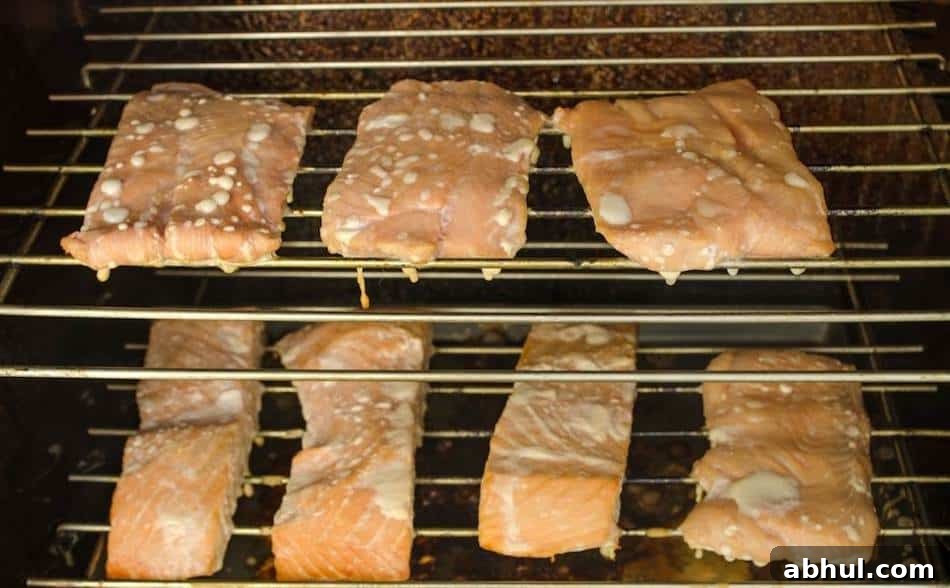
When Is Smoked Fish Done?
Reliable indicators that fish is cooked:
- Flesh becomes opaque and flakes easily with a fork.
- Edges curl inward slightly.
- Juices run clear when cut.
Different fish behave differently—tuna can remain pink and still be done, while delicate whitefish will flake more. The most accurate method is a thermometer showing 145°F. An instant-read thermometer is a useful investment for consistent results.
Brining Fish and Salmon
Brining adds flavor and keeps fish moist during smoking. Brines combine water with salt and often sugar and aromatics. There are two main approaches:
Wet brine: Submerge fish in a salted, sometimes sweetened and spiced liquid for a few hours. Typical quick brine proportions include about 1 cup salt per gallon of water, though weighing salt is more precise. After brining, pat fish dry and allow a brief drying period to form a pellicle, which helps smoke adhere.
Dry brine: Rub kosher salt and optional seasonings directly on the fish, refrigerate for 2–3 hours, then rinse or pat dry. Dry brines are quick, tidy, and effective at seasoning the surface.
Avoid over-brining; excess salt or too long a soak can make flesh overly salty or mushy.
How To Dry Brine Fish
- Sprinkle kosher salt evenly over the fish.
- Place on a tray and cover or seal in a container.
- Refrigerate for about 2 hours, then pat dry before smoking.
How To Wet Brine Fish
- Use a container or sealable bag large enough to submerge the fish.
- Mix brine: a simple start is 1 cup salt per gallon of water; a smaller quick brine can be 1/4 cup sugar in a half-gallon of water plus a dissolved portion of salt.
- Optionally add spices or aromatics. Submerge fish and refrigerate 2–3 hours.
- Remove, pat dry, and allow up to 2 hours to form a pellicle before smoking.
Smoked Salmon Brine
A flavorful wet or dry cure works well for salmon. One balanced dry-brine mix to try:
- 1 cup kosher salt
- 1 cup brown sugar
- 1 tablespoon BBQ rub
- 1 teaspoon dill weed
- 1 teaspoon garlic powder
- 1 teaspoon parsley flakes
- 1 teaspoon minced onion flakes
Rub this mixture on the salmon, refrigerate to cure briefly, then rinse or pat dry before smoking.
Add a Glaze to the Fish
Glazing in the last 10 minutes of cooking adds a glossy finish and complementary flavors. Sweet glazes, barbecue sauces, or Asian-style glazes pair nicely with salmon. Brush sparingly near the end so sugars set without burning—sugary sauces can char quickly.
The Best Wood for Smoking Fish
Choose mild, fruit, or hardwoods for fish:
- Alder: mild and sweet, excellent for salmon and trout.
- Apple: fruity and gentle, pairs well with most fish.
- Cherry: mild, slightly sweet, good for a subtle color and flavor.
- Maple: light and mildly sweet for delicate fish.
- Oak: stronger, better for meatier fish like tuna or swordfish.
Use small amounts of wood chips or chunks; avoid resinous woods like pine or cedar that can impart bitter flavors.
Skin On or Skin Off?
Leaving skin on helps hold fillets together, retains moisture, and protects flesh during smoking. If you prefer crispy skin, hot-smoking at higher temperatures can achieve that. For low-and-slow smoking, skin may remain soft and can be removed after cooking. In any case, monitor internal temperature to ensure safe doneness.
Clean Your Smoker After Fish
Fish oil can leave lingering odors in a smoker. Thoroughly clean racks, trays, and interior surfaces after smoking seafood to avoid odor transfer to other foods. If you smoke fish frequently, consider dedicating a smoker to seafood to prevent persistent smells.
Quick and Easy Smoked Fish/Salmon in an Electric Smoker
- Sprinkle kosher or sea salt on the fish and refrigerate 2–3 hours (dry-brine).
- Remove and let the surface dry long enough to form a light pellicle.
- Preheat the electric smoker to 220°F for a faster cook (or 170–180°F for a slower result).
- Add a mild smoking wood to the tray (apple, cherry, alder, or pecan).
- Place the fish on the racks and smoke until the internal temperature reaches 145°F—check after about 40 minutes at higher temps.
- Rest the fish 10–15 minutes before serving.
Thanks for reading. Use a reliable meat thermometer, choose a mild wood, and adjust temperature and brining to suit your taste. With a little practice you’ll consistently produce flavorful smoked fish and salmon in your electric smoker.