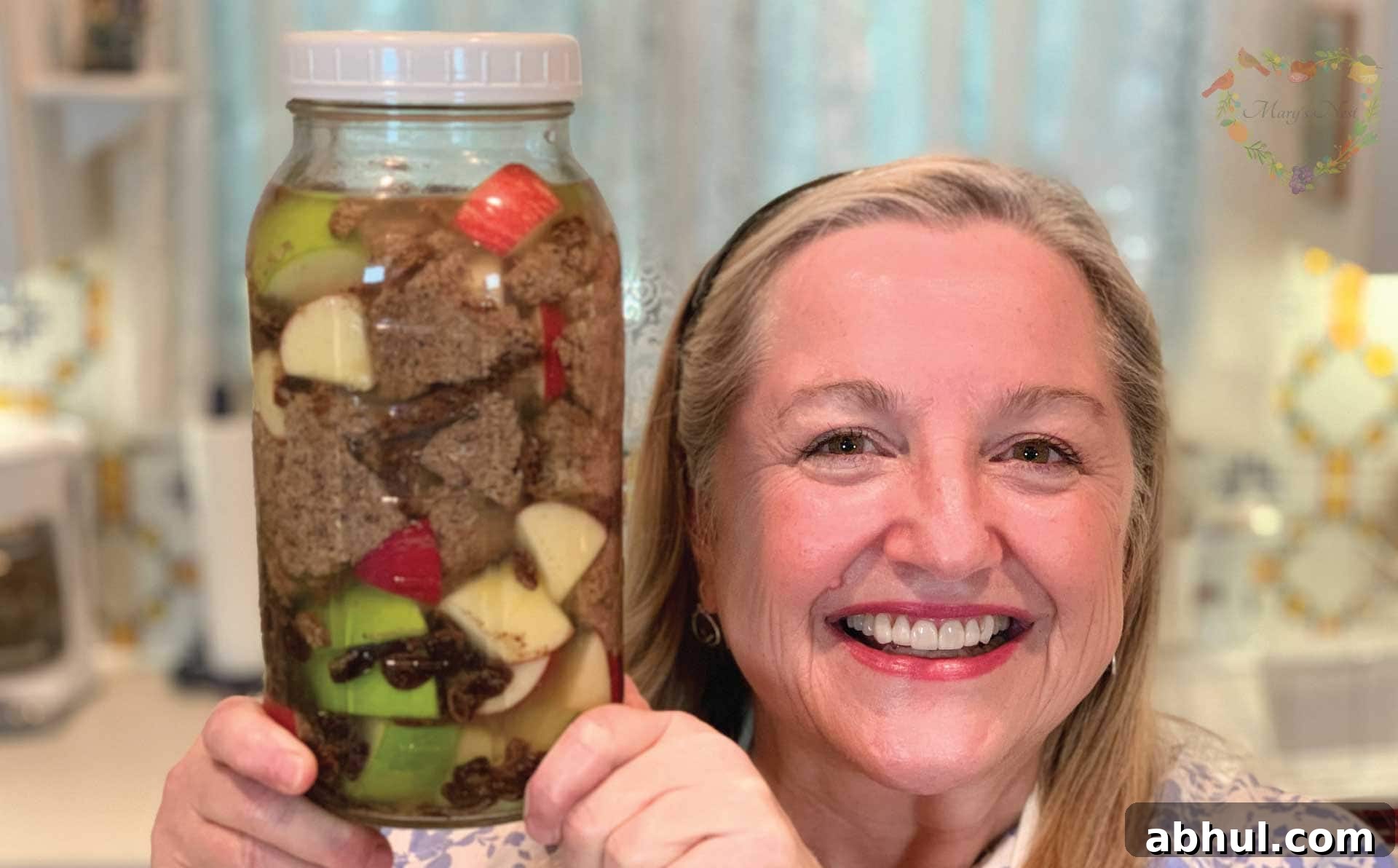
How to Make Traditional Rye Bread Kvass
Discover how to make traditional rye bread kvass, a naturally fermented, probiotic-rich beverage. Kvass has a pleasant sweet-tangy flavor with a light effervescence and offers beneficial bacteria that support gut health when enjoyed regularly.
Is Kvass Only Made with Beets?
Beet kvass is a popular variation made with fresh beets, but traditional kvass from Russia and Eastern Europe is usually brewed with stale rye bread. Some recipes include beets or other flavorings, yet the classic method relies on dark rye bread to develop the characteristic flavor: mildly sweet, tangy, and gently fizzy.
Is There Just One Kvass Recipe?
There isn’t a single definitive kvass recipe. Kvass has been produced for centuries, and methods vary by country, region, and family. I have tested recipes and settled on a simple, reliable combination: stale dark rye bread, a generous handful of dark raisins, and two apples. Add water and allow fermentation to transform those basic ingredients into a lively, probiotic beverage. The short video demonstrates the mixing and handling steps.
Get Started Making Kvass Today
Start a batch today — fermentation time is flexible. You can taste your kvass after about two days, but many people prefer longer fermentation. At around two days it’s mildly sweet; after one to two weeks it becomes more effervescent with a yeasty character. If you ferment for a month, the flavor intensifies and becomes tangier, even approaching a vinegar-like profile. Each stage yields a different taste, so experiment to find the level you prefer.
When fermenting, keep the jar in a warm, out-of-sunlight spot and check daily. Release built-up carbon dioxide by loosening the lid briefly, then re-tighten and shake. Once the flavor suits you, strain the liquid, transfer to bottles, and refrigerate.
More Probiotic-Rich Drinks
If you enjoy kvass, explore other fermented beverages that support gut health. The following recipes and videos cover beet kvass, kombucha, milk kefir, water kefir, ginger bug starter, fermented ginger ale, and fruit sodas. Each produces distinct cultures and flavors, offering a variety of probiotic options to include in your routine.
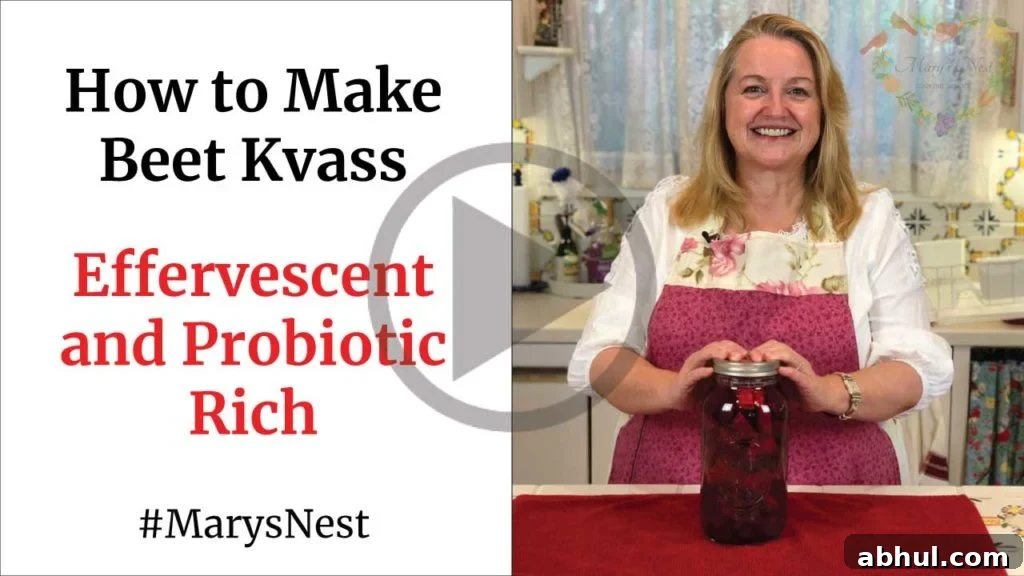
- How to Make Beet Kvass – A Probiotic Rich Fermented Drink for Good Gut Health
- Beginner’s Guide to Kombucha Making | How to Make Kombucha at Home
- How to Make Milk Kefir – Discover the Champagne of Milk
- How to Make Water Kefir – A Probiotics Rich Fermented Drink for Good Gut Health
- How to Make a Ginger Bug for Making Probiotic Rich Fermented Drinks
- Fermented Ginger Ale Recipe – A Probiotic Rich Homemade Soda for Good Gut Health
- Fermented Strawberry Soda Recipe
Traditional Rye Bread Kvass
Equipment
-
64-ounce glass jar with screw-on lid
-
Swing top bottles (for decanting), optional — use with caution for effervescent beverages
Ingredients
- 5 slices Stale or toasted dark rye bread, broken into pieces
- 1/2 cup Dark raisins
- 2 large Apples, unpeeled and chopped, seeds removed
- Water, preferably chlorine-free, enough to fill the jar
Instructions
-
Add the broken rye bread, raisins, and chopped apples to the jar. Mix gently to combine.
-
Fill the jar with water, leaving about 2 inches of headspace at the top.
-
Secure the lid and shake the jar well to incorporate the ingredients.
-
Place the jar in a bowl to catch any spills and set it in a warm, shaded spot at room temperature.
-
Each day, briefly loosen the lid to release built-up carbon dioxide, then retighten and shake the jar. Return it to its warm spot.
-
Begin tasting after two days. Continue fermenting until the flavor matches your preference — up to 30 days.
-
When ready, strain out solids, transfer the liquid to bottles, and refrigerate. Kvass keeps at least six months chilled. It will lose carbonation after a few days unless bottled in proper swing-top bottles rated for effervescent beverages; use those with caution.
Video
Notes
Copyright © 2020 Mary’s Nest, LLC, All Rights Reserved
Shop for items used in this blog post or video
Favorite Fermentation Supplies
- Half Gallon Canning Jars
- 4-Ounce Jelly Jars
- White Storage Lids
- pH Strips
- Masontops Complete Fermentation Kit (see product options)
- Silicone Pickle Pipes
- Fermentation Glass Weights
- Wooden Pickle Packer
- Wooden Kraut Pounder
Recommended Reading
- Wild Fermentation: The Flavor, Nutrition, and Craft of Live-Culture Foods (2nd edition)
- The Art of Fermentation: An In-Depth Exploration of Essential Concepts and Processes from around the World
- Nourishing Traditions: The Cookbook that Challenges Politically Correct Nutrition and Diet Dictocrats
- Nourishing Broth: An Old-Fashioned Remedy for the Modern World