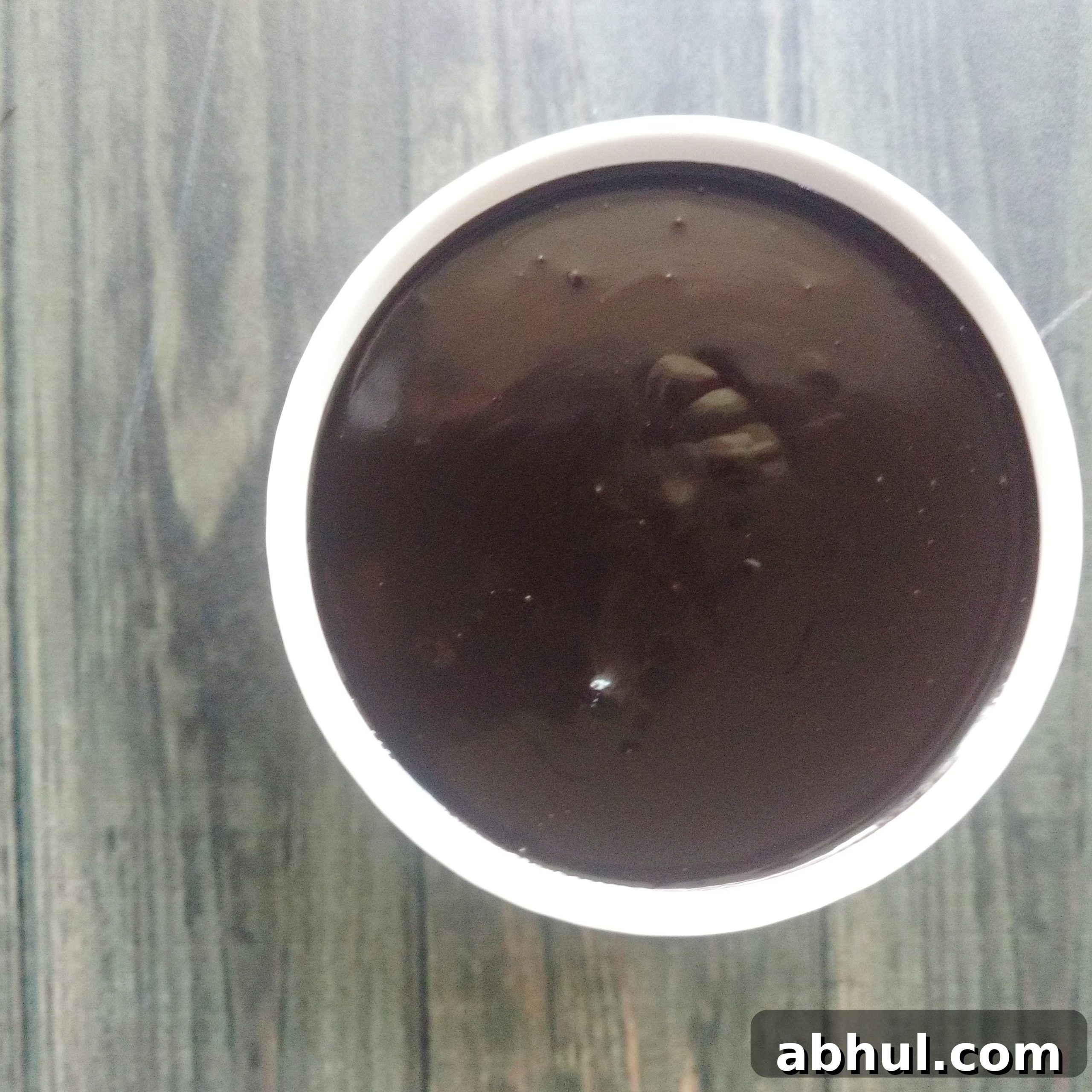
The easiest frosting to try: just two ingredients — chocolate and cream. Can these two go wrong together?
What is ganache?
Ganache is a smooth, velvety emulsified mixture of chocolate and cream. You can make it with dark, milk, or white chocolate depending on your preference. It’s extremely versatile: at different consistencies it can be a rich frosting, a whipped filling, a pourable glaze or drip, a dense filling, or rolled into truffles.
What do you need to make ganache?
Ganache needs only two main ingredients: cream and chocolate. With so few components, using the best quality ingredients you can find makes a big difference in flavor and texture.
Some recipes add a little sugar, egg yolks, corn syrup, or butter for extra shine and stability. Ganache can also be flavored in many ways — more on that below.
Cream: Heavy or double cream (fat > 35%) is ideal, but if that’s hard to find you can use lower-fat cream (around 20%). Non-dairy whipping creams are not the best choice for heated ganache; they don’t always produce the same flavor or texture as real cream.
Chocolate: Dark chocolate is a favorite for ganache; couverture between 52% and 70% works well. Above that, some find it too bitter. Milk and white chocolate can be used, especially with less sweet cakes. Compound chocolate will work, but ganache made with real chocolate has a superior taste and mouthfeel.
Ratio: The ratio of chocolate to cream depends on the cream’s fat content, the chocolate’s cocoa butter percentage, ambient temperature, and the intended use.
- With heavy cream (fat > 35%), a near 1:1 ratio is common: 1 cup (240 ml) cream to 8 ounces (226 grams) chocolate. For truffles, a 2:1 chocolate-to-cream ratio is typical.
- With lower-fat cream and dark chocolate, use 1:1 for a glaze or filling, 1.5:1 (about 200 ml cream to 300 g chocolate) for frosting, and 2:1 to 2.5:1 for truffles.
- For milk chocolate ganache, aim for roughly 2.5:1 to 3:1 chocolate to cream.
- For white chocolate ganache, use about 3:1 chocolate to cream.
These ratios are approximate — in hotter climates you may need proportionally more chocolate to achieve a firm set.
How do you make ganache?
Method one — conventional method:
Place chopped chocolate or chocolate chips in a bowl. Heat the cream in a saucepan or microwave until it just begins to bubble around the edges; it does not need to boil. Pour the hot cream over the chocolate so it covers the pieces. Cover and let stand for a couple of minutes to allow the heat to melt the chocolate. Stir gently with a whisk or spatula until smooth and glossy. You can use the warm ganache immediately as a pourable glaze, or cover and let it rest at room temperature for a few hours or overnight to thicken for frosting or piping.
Method two — one-pot method:
Preferable for some home cooks: put chopped chocolate and cream in a saucepan and heat gently on low while stirring continuously until the chocolate fully melts and the mixture becomes smooth. The microwave also works — heat on low and stir every 20 seconds to avoid overheating. Once smooth, use warm for glazing or allow to cool and set for other applications.
Method three — instant ganache:
For quick, thick ganache, melt finely chopped chocolate completely first, then stir in warm cream. This produces an instantly thick, very smooth ganache because the chocolate is already fully melted. Note the texture can be slightly different from ganache made by the conventional method and allowed to rest.
What can you do with ganache?
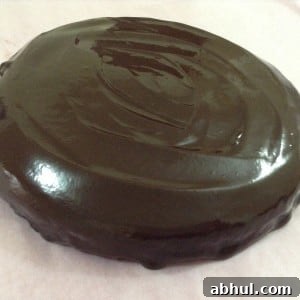
- Use as a glaze: Place a cake on a wire rack with a plate beneath. Pour warm (not hot) ganache over the center and let it flow down the sides. Use a warm spatula to smooth if needed. Chill or let rest until set.
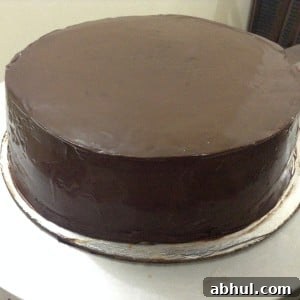 Let ganache rest for a few hours or overnight; it will thicken and can then be used to frost or pipe on cakes and cupcakes. A chocolate cake filled and frosted with ganache is often called a truffle cake.
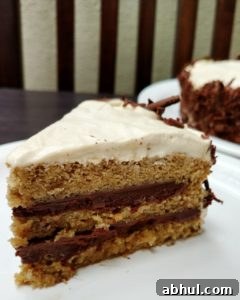 Use set ganache as a filling for layered cakes.
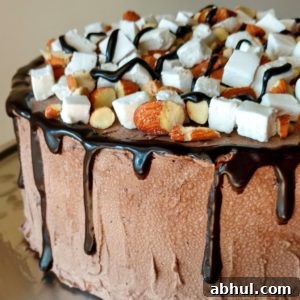 Pour thinner, freshly made ganache to create drips down the sides of cakes.
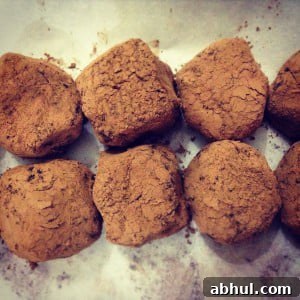 Roll set ganache into balls and coat in cocoa powder, chopped nuts, or other coatings to make truffles. Ganache truffles are easily flavored in many ways.
 Use ganache as an easy filling for doughnuts.
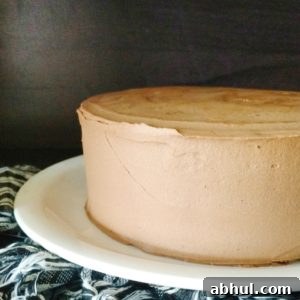 Flavor whipped cream or buttercream by folding in cooled ganache.
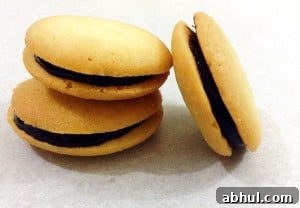 Sandwich cookies with ganache for a rich filling.
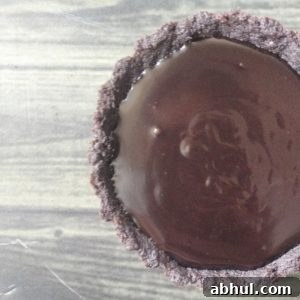 Use ganache as a simple, indulgent tart filling.
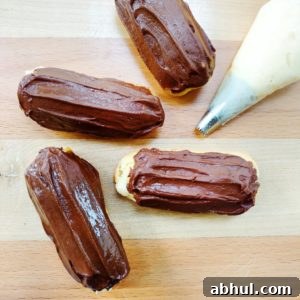 Dip eclairs and pastries in ganache for a glossy finish.
What can go wrong?
- If the ganache still has bits of chocolate, heat in 20-second intervals and stir, or warm gently over a double boiler while stirring. Chop the chocolate finely and uniformly to reduce this risk.
- If it becomes too thick after setting, gently reheat until spreadable, taking care not to overheat.
- If it refuses to set, melt more chocolate and add until the chocolate-to-cream ratio reaches about 2:1 or 2.5:1. White chocolate often needs even more chocolate to set.
- If it’s too thick before setting, add a little warmed cream and stir to loosen the texture.
- If the ganache looks granular or the oil has separated (split), add small spoonfuls of milk while stirring until smooth. Another fix is to freeze half the ganache and heat the other half to liquid, then combine and blend.
Anything else I should know?
- Once the cream and chocolate emulsify, ganache is fairly stable. It can be kept at room temperature for up to two days and refrigerated for up to two weeks.
- To speed setting, refrigerate but stir every 20 minutes for even cooling.
- For conversions, 1 ml cream weighs about 1 gram, so 1 cup is roughly 240 grams. A cup of chopped chocolate typically weighs 175–200 grams depending on packing.
- Always use the best chocolate you can access for the best results.
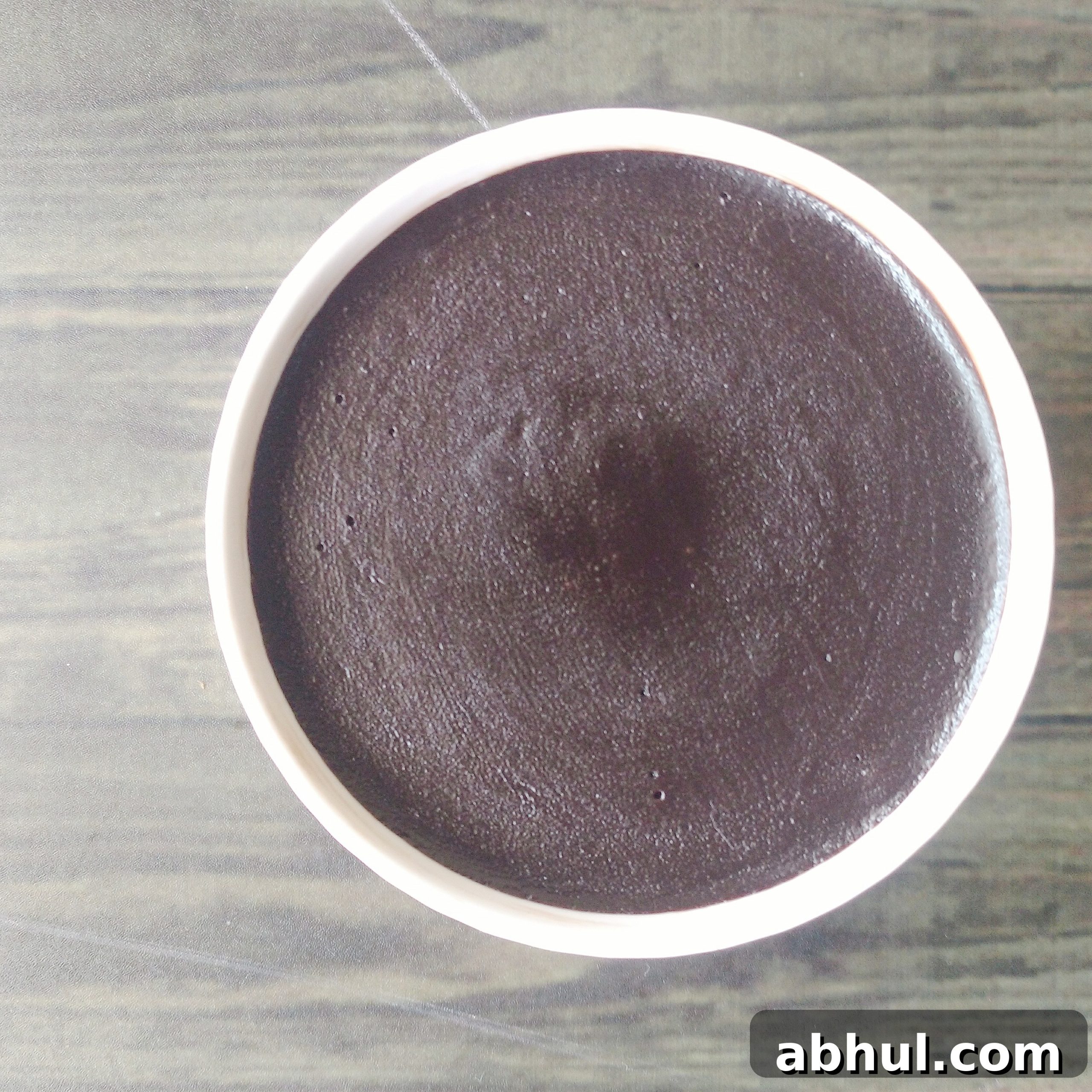
How can I make my ganache even better?
Shiny ganache: Add one tablespoon of butter to the cream for every cup of cream while heating to enhance shine.
Whipped ganache: If you use heavy cream, chill and whip the set ganache until light and fluffy for a mousse-like filling.
Mocha ganache: Add 1–3 teaspoons of instant coffee or espresso powder to the cream while heating for coffee flavor.
Liquor ganache: Stir in about 2 tablespoons of your chosen liquor per cup of ganache for an adult-flavored filling.
Nutella or caramel variations: Mix in Nutella or caramel sauce to taste — roughly 1–2 tablespoons per cup of ganache is a good starting point.
Orange-chocolate ganache: Add 2 tablespoons of orange juice and some orange zest to one cup of ganache for a bright citrus note.
There are many more variations — these are just a few tried-and-true ideas.
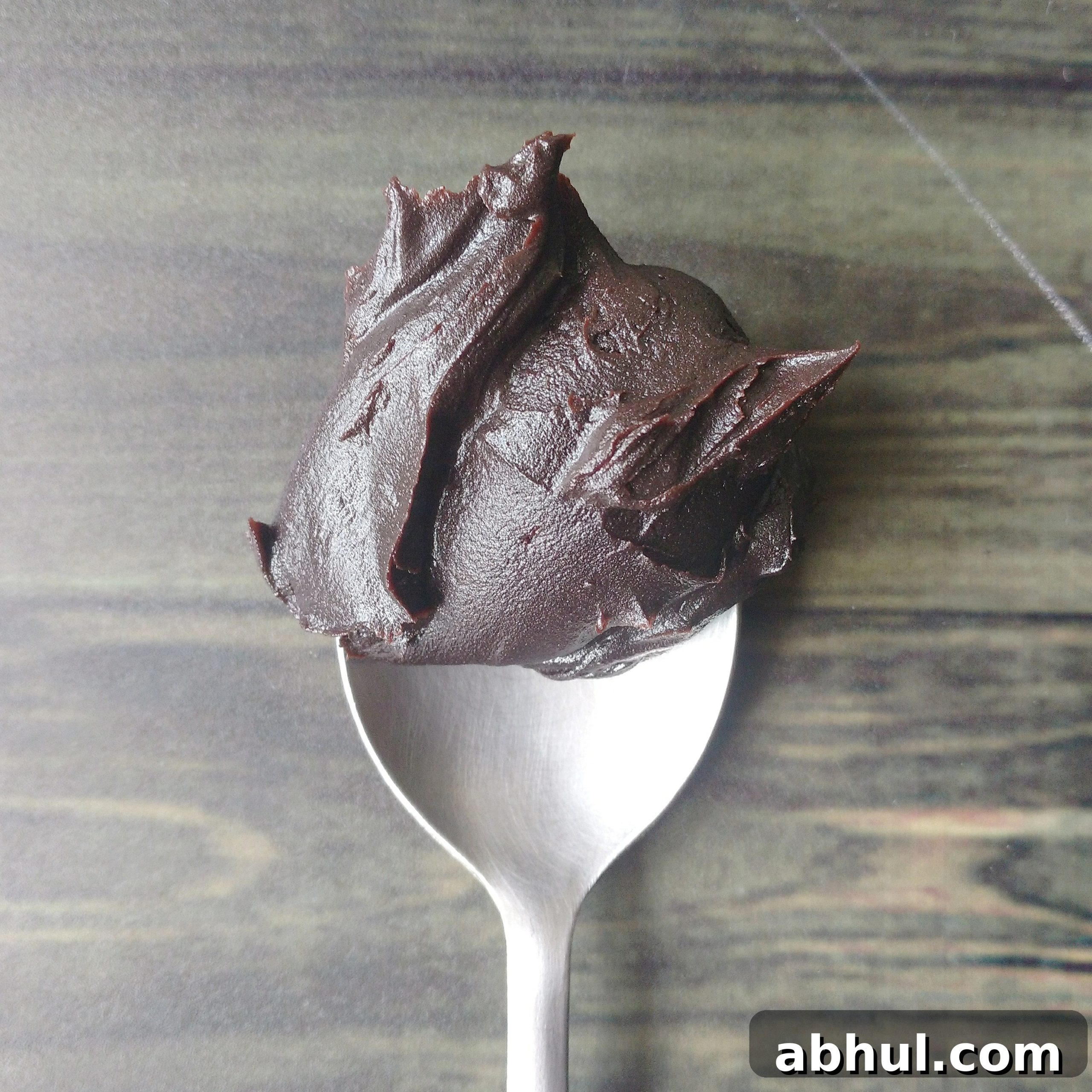
Luscious, chocolatey, and effortless — ganache is my go-to frosting for its flavor and versatility.