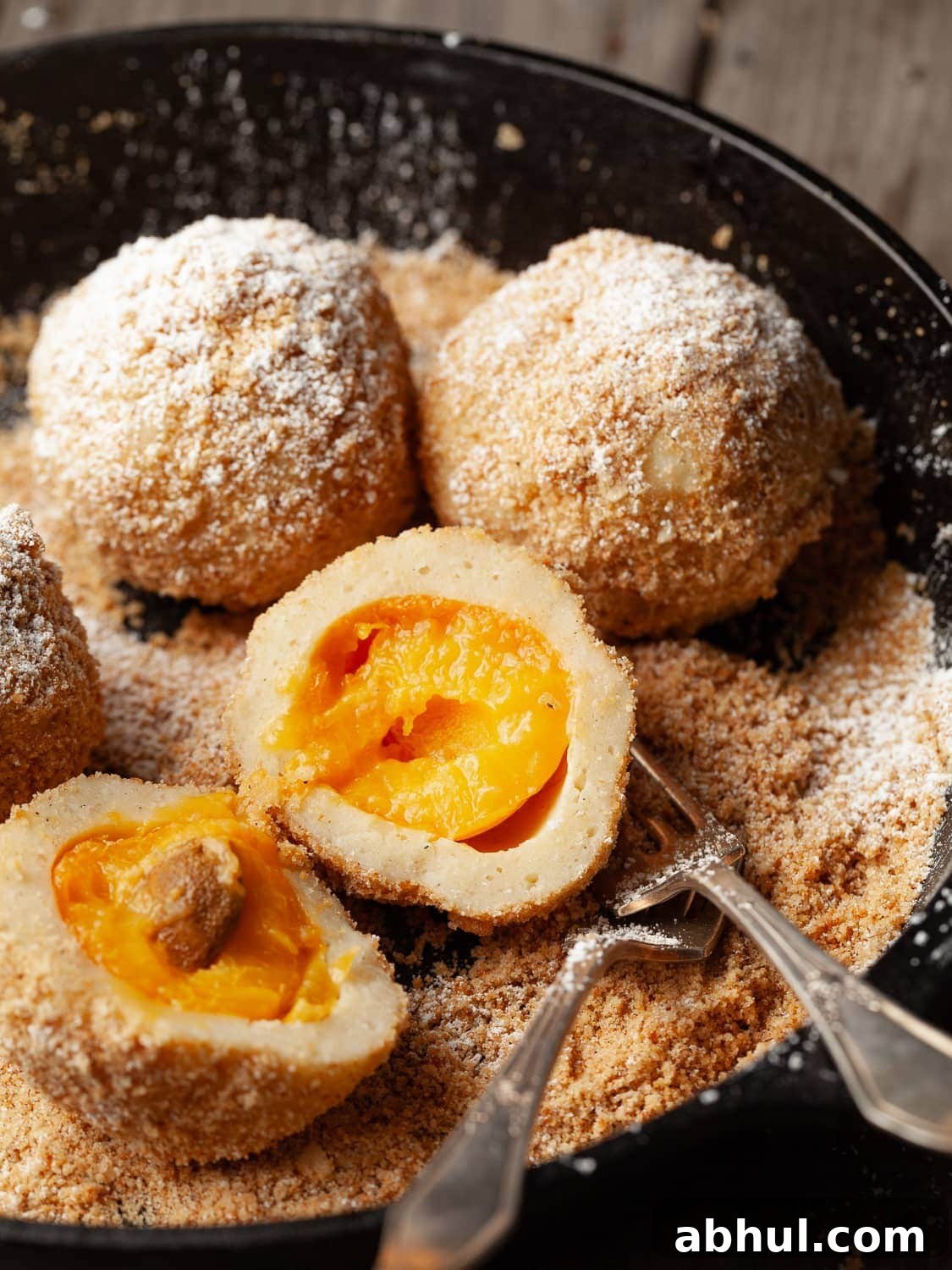
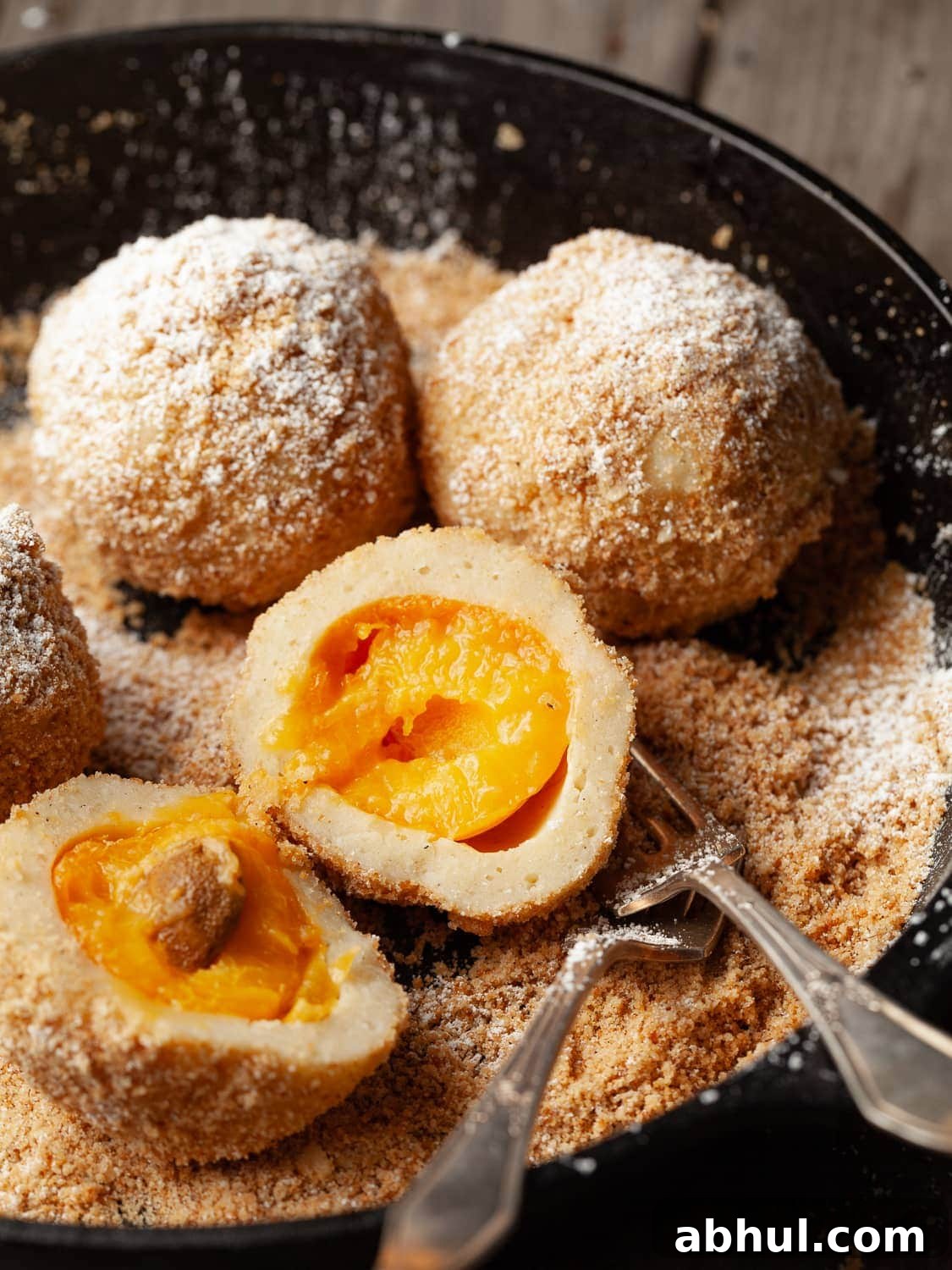
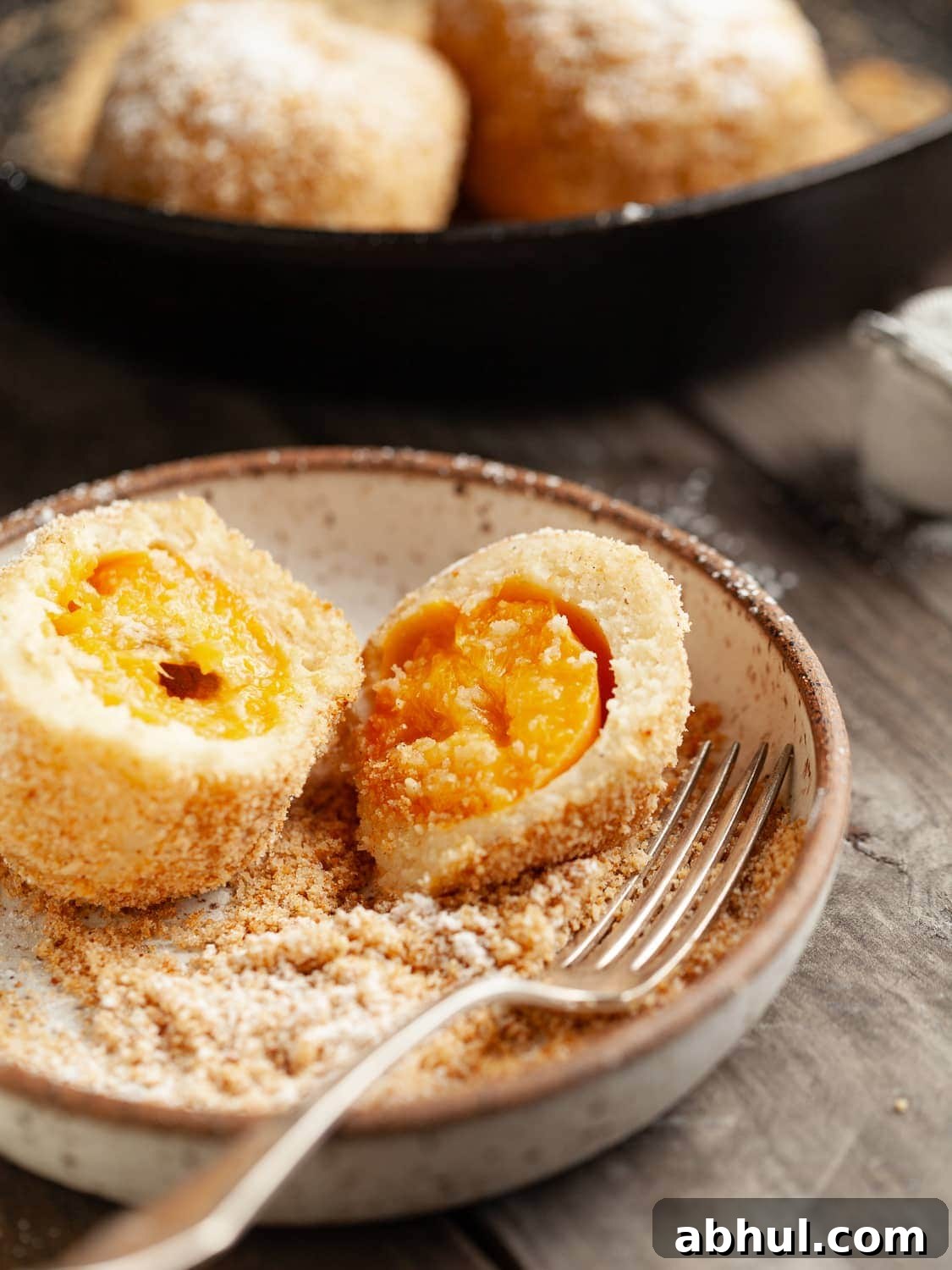
Marillenknödel are one of Austria’s most beloved desserts, alongside Kaiserschmarrn and Sachertorte. These apricot dumplings evoke memories of summers in Austria: sweet apricots wrapped in a tender dough, gently boiled until cooked through, then coated in a buttery, sweet breadcrumb topping. They can be served as a sweet main course or as a dessert. This gluten-free Marillenknödel recipe is a perfect treat during apricot season.
Recipe Ingredient Notes
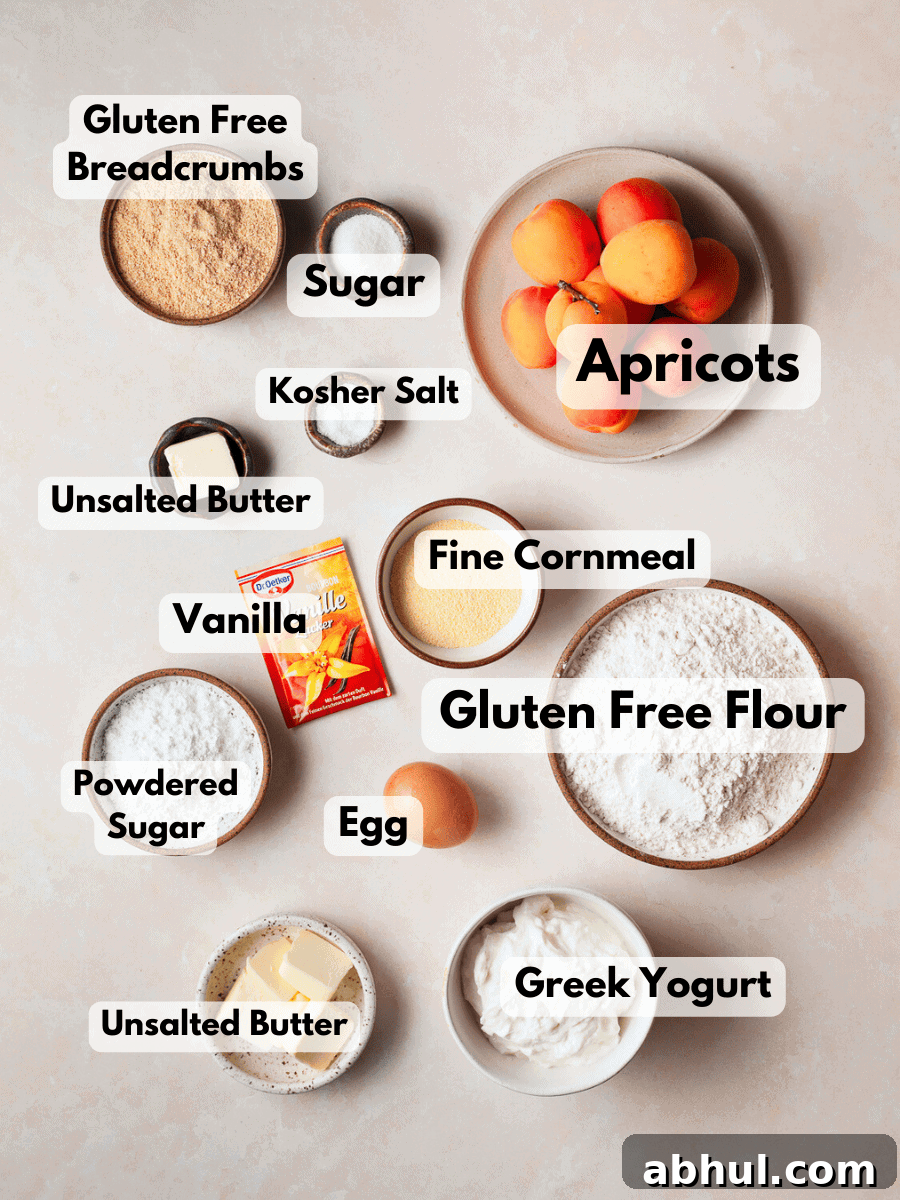
Gluten-Free Flour: This recipe works well with common measure-for-measure gluten-free blends such as King Arthur Measure for Measure or Bob’s Red Mill 1-to-1 Baking Flour.
Fine Yellow Corn Meal: Fine cornmeal acts as a binder in the dough. This is not cornstarch. If you can’t find superfine cornmeal, pulse regular coarse cornmeal briefly in a blender or food processor to make it finer.
Greek Yogurt: Traditional Austrian Marillenknödel use Topfen (quark). In places where quark is unavailable, full-fat or 2% Greek yogurt drained of excess liquid is an excellent substitute.
Gluten-Free Breadcrumbs: Use unflavored gluten-free breadcrumbs for the topping. They toast differently from wheat breadcrumbs and can become soggy if overloaded with butter, so use butter sparingly while toasting.
Fresh Apricots: Choose ripe but slightly firm apricots. Smaller fruit cooks more evenly inside the dumpling. The apricots used here are about 40 grams each.
Vanilla: Vanillezucker (vanilla sugar) is commonly used in German-speaking countries. If you don’t have it, vanilla extract or vanilla paste are fine substitutes. You can add a touch to the melted butter used for the breadcrumb topping, or substitute with a pinch of ground cinnamon if preferred.
Recipe Testing Notes
This recipe was developed to use ingredients commonly available in regular grocery stores. I tested several quark substitutes. Cream cheese plus Greek yogurt made dense dumplings; Greek yogurt alone produced a sticky dough until I added a binder (fine cornmeal) and drained excess liquid. Sour cream resulted in too much tang. Drained full-fat Greek yogurt plus fine cornmeal gave the best texture: pliable but not heavy.
Gluten-free breadcrumbs behave differently than wheat-based crumbs. They absorb butter quickly and can go soggy or burn, so toast them over very low heat and watch closely.
What are Marillenknödel?
Marillenknödel are Austrian apricot dumplings, a traditional specialty especially popular in regions known for apricot orchards, such as the Wachau along the Danube. While fruit-filled dumplings appear across Central Europe—Czech, Hungarian and German cuisines have their versions—the apricot-filled dumpling is a classic Austrian favorite.
Though apricots are traditional, variations use other fruits like plums (Zwetschgenknödel) or strawberries. Dough types also vary: potato dough, quark-based dough, or even choux dough are common bases in different recipes.
Marillenknödel Dough
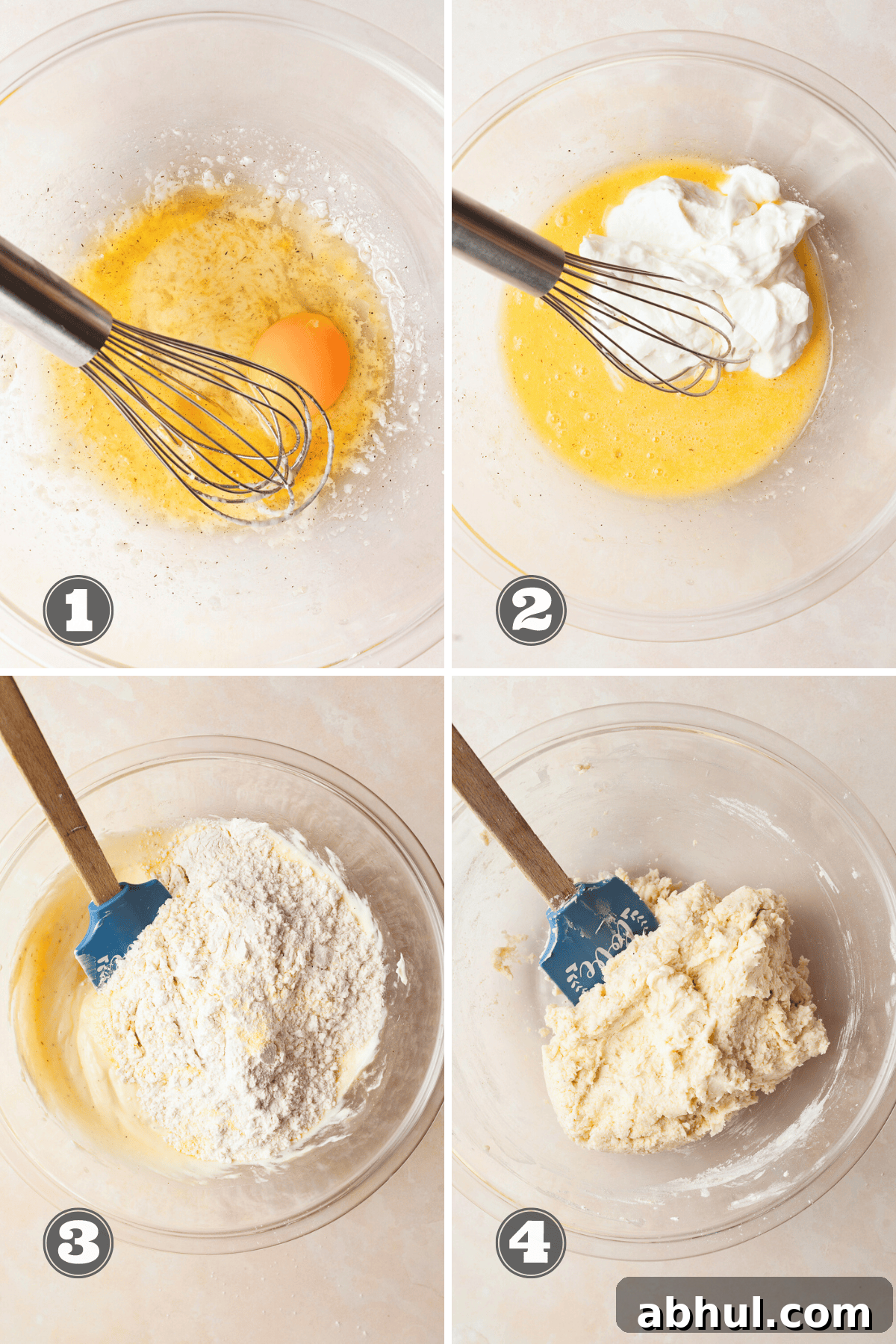
The dough comes together quickly but needs to rest in the refrigerator for at least 30 minutes to hydrate the flour. You can also make it ahead and chill overnight.
- In a small saucepan or microwave-safe bowl, melt the butter. Transfer to a large mixing bowl and let cool 5 minutes.
- While the butter cools, whisk together the gluten-free flour, fine yellow cornmeal and kosher salt.
- Add powdered sugar, vanilla sugar (or vanilla extract) and the room-temperature egg to the cooled butter. Whisk until smooth.
- Stir in the drained Greek yogurt.
- Fold the dry ingredients into the wet with a spatula. The dough will be slightly sticky; this is normal.
- Cover and chill the dough for at least 30 minutes.
Shaping Austrian Apricot Dumplings
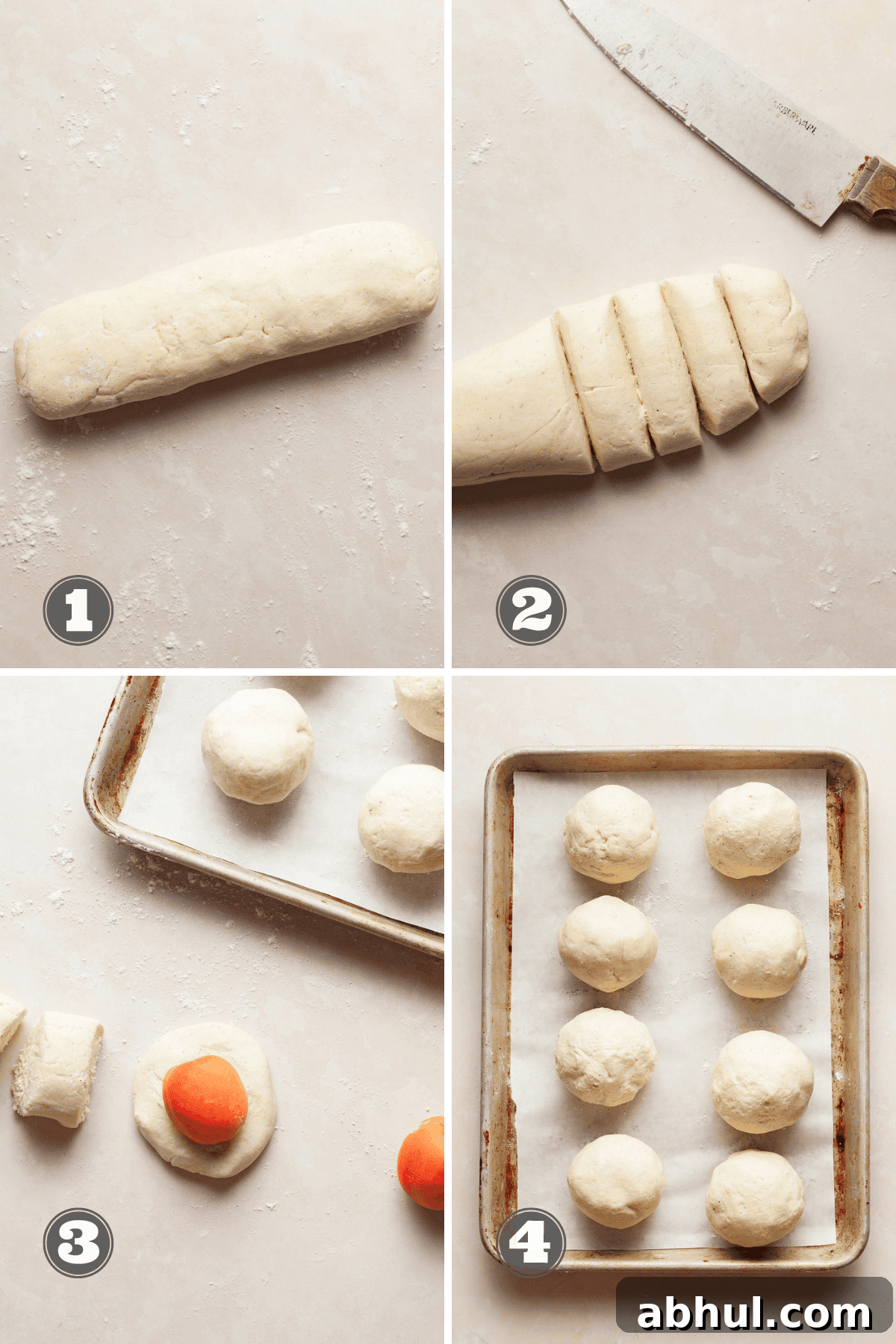
The dough-to-fruit ratio is a matter of taste. This recipe uses eight small apricots (around 40–45 g each). If your apricots are larger, adjust so each fruit is fully covered by dough. Traditionally some people replace the pit with a sugar cube; this version keeps the pits intact.
Chilled dough is much easier to shape. Keep a little additional gluten-free flour on hand to dust your hands if the dough becomes tacky.
- Wash and dry the apricots; remove any stems.
- Line a baking sheet with parchment and lightly flour it.
- Remove dough from the fridge, roll into a log and divide into eight equal pieces.
- Lightly flour your hands, flatten each dough piece and wrap it around an apricot, sealing the edges completely.
- Gently roll the dumplings to smooth them and place on the prepared sheet.
- Refrigerate the formed dumplings while you prepare the cooking water. Uncooked dumplings can be refrigerated up to one day or frozen.
Cooking & Serving
Marillenknödel are often served as a sweet main course in Austria. If you won’t serve them all at once, freeze some raw dumplings for later. To serve a full batch, cook them in multiple pots and prepare the breadcrumb topping in parallel, or keep cooked dumplings warm in a 200°F oven for 15–20 minutes.
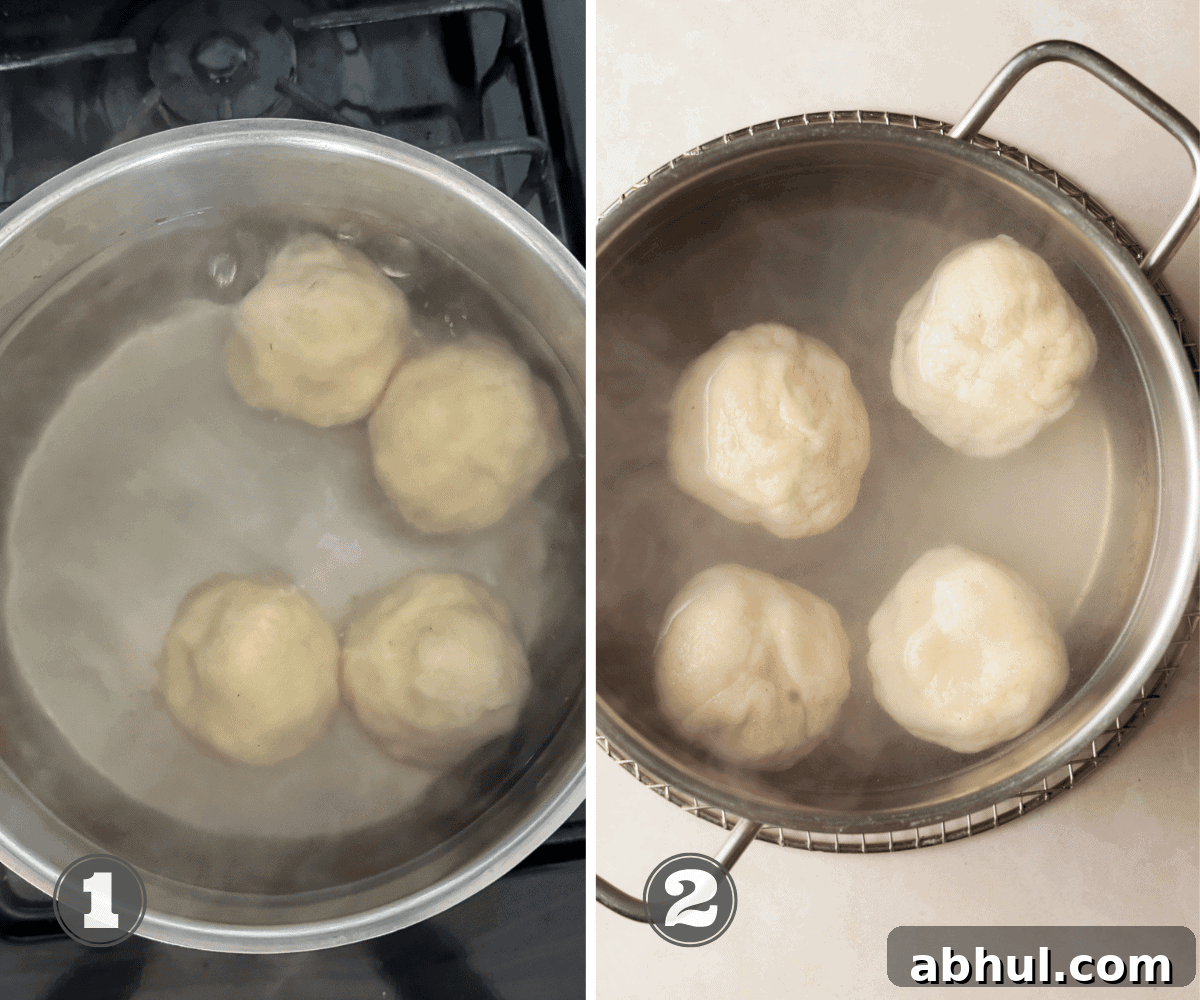
- Bring a large pot of lightly salted water to a boil; a wide pot helps prevent sticking.
- Add 3–4 dumplings and reduce the heat so the water simmers gently.
- Cook for about 13–14 minutes, depending on size; stir once or twice early on so they don’t stick.
- While the dumplings simmer, make the toasted breadcrumb topping.
- In a large skillet, melt the butter. Add gluten-free breadcrumbs, granulated sugar, a pinch of kosher salt and vanilla sugar (or add about 1 teaspoon vanilla extract to the butter).
- Stir and toast the breadcrumbs over very low heat until golden, stirring constantly to avoid burning.
- When the dumplings float (about 14–15 minutes), turn off the heat and let them sit for a minute.
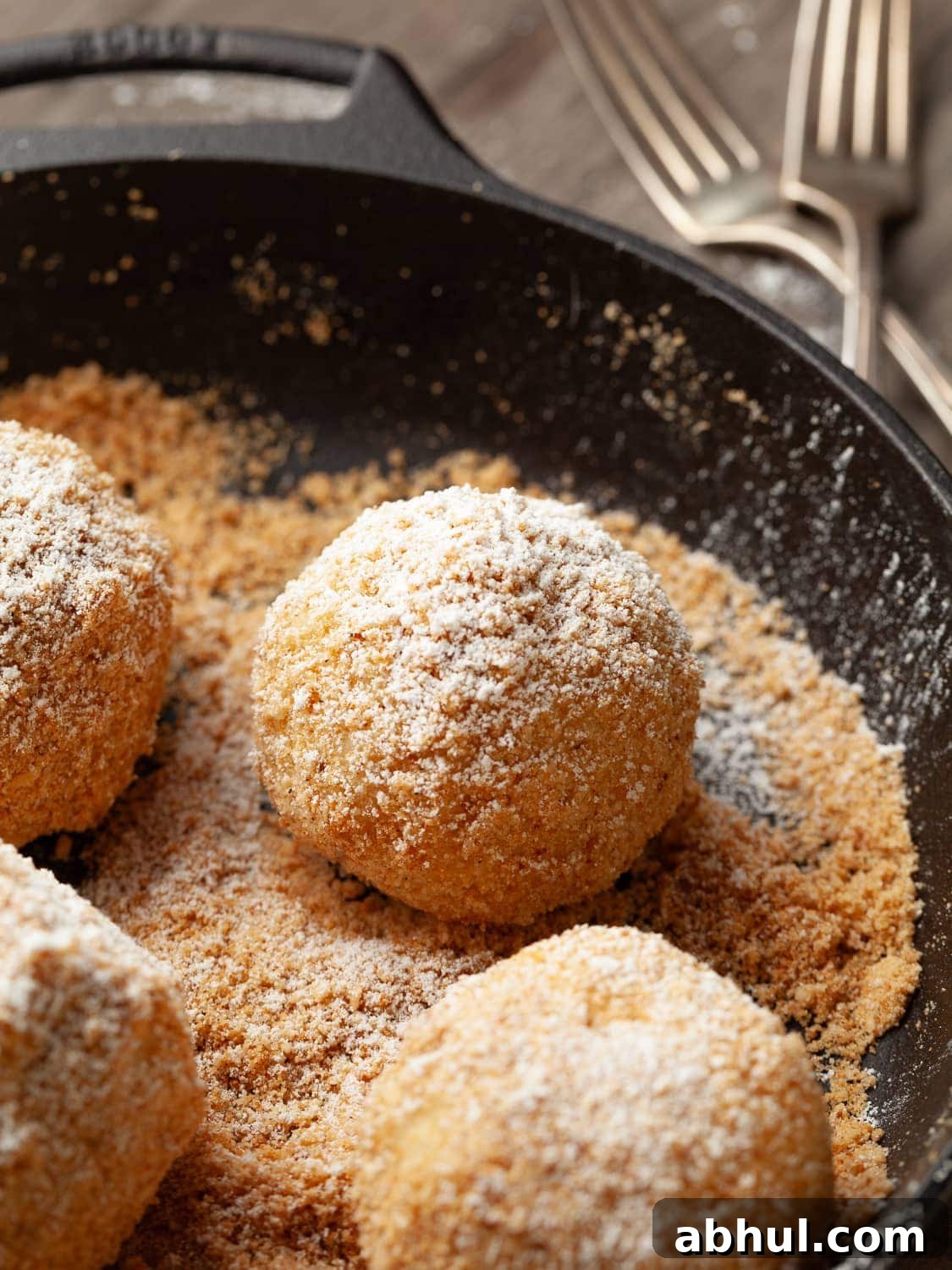
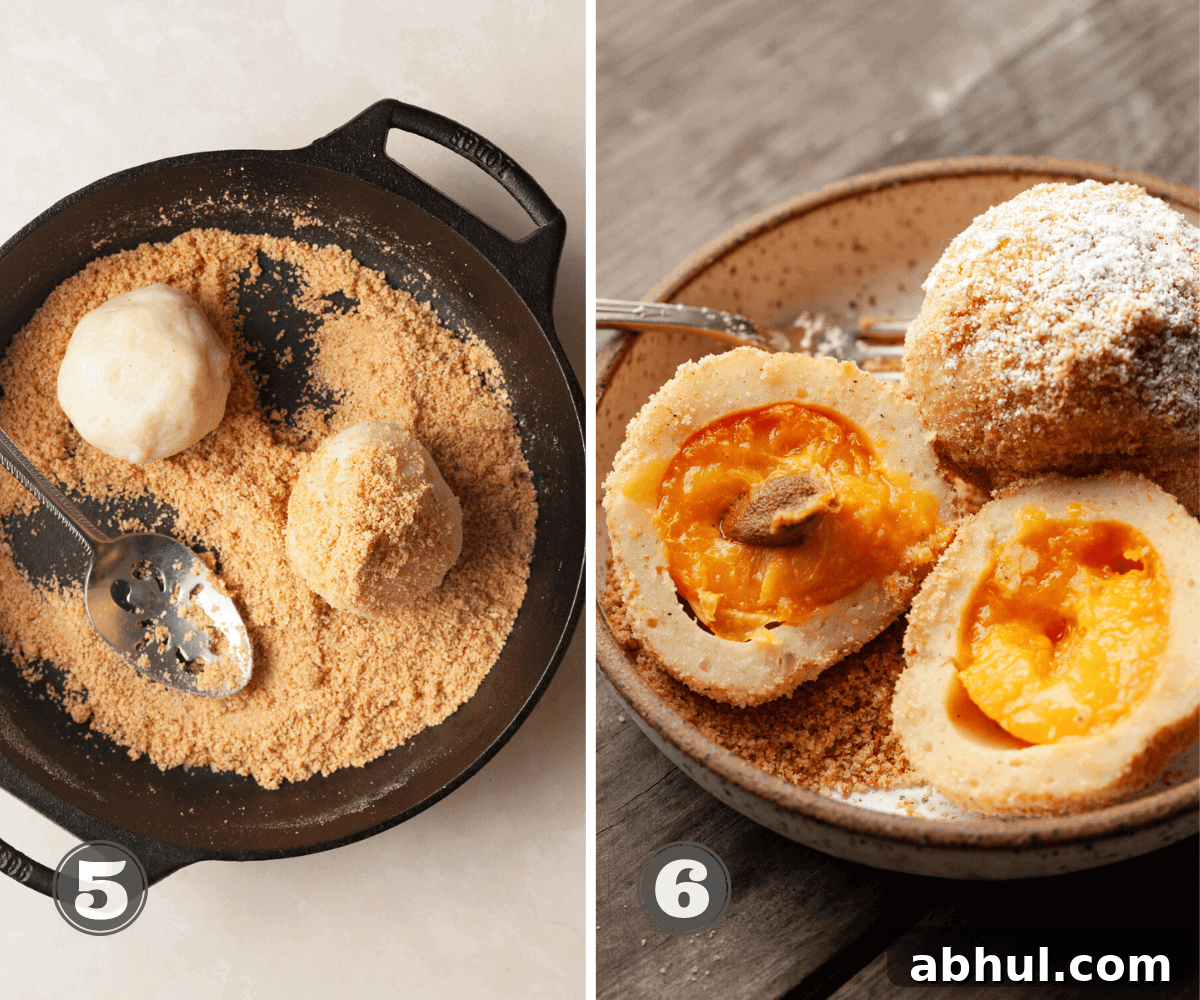
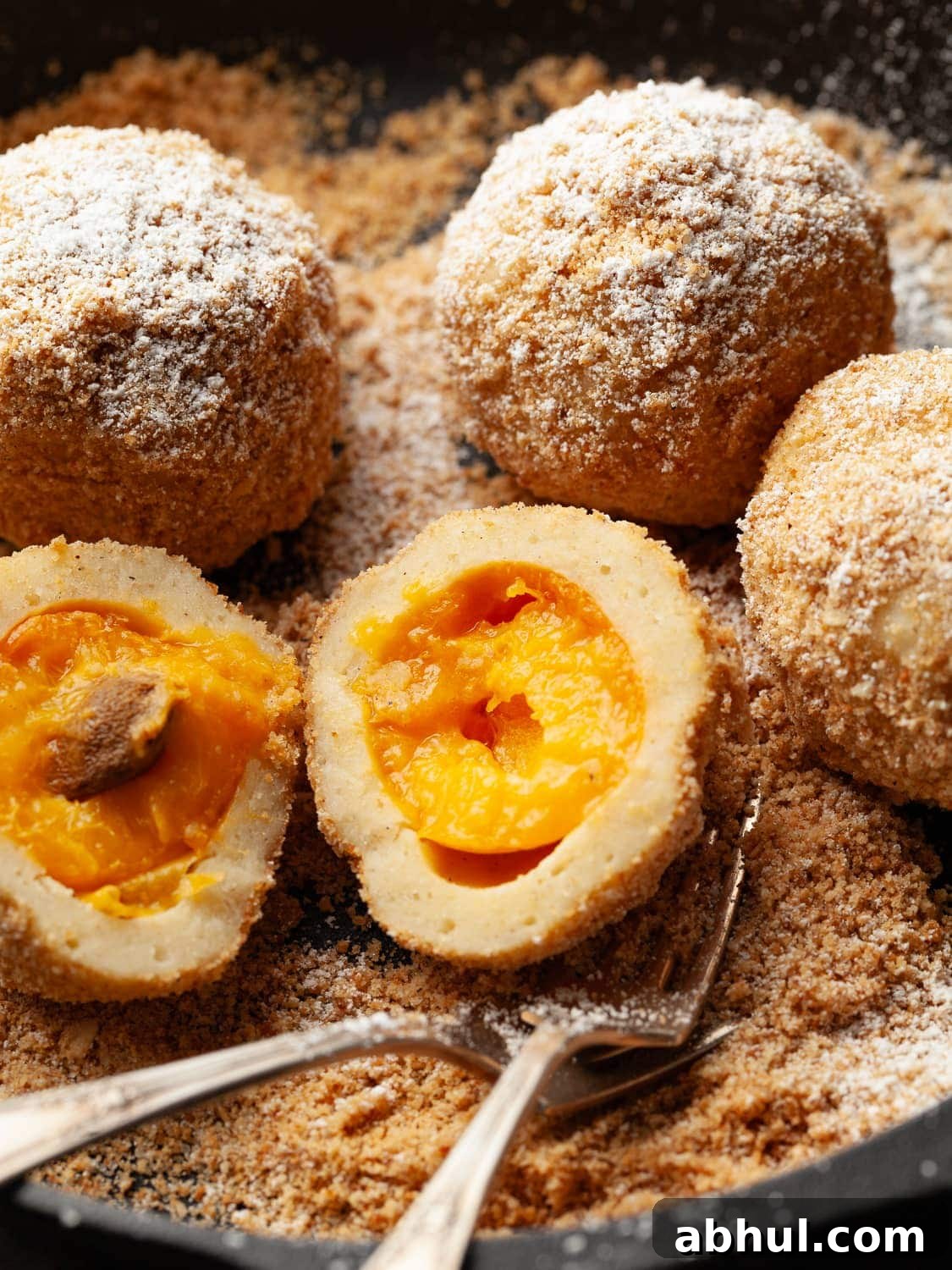
- Remove each dumpling with a slotted spoon, drain well, and coat thoroughly in the breadcrumb mixture.
- Transfer to a plate, dust with powdered sugar and serve. (Remember: the apricot pit remains inside.)
Storage & Freezing
Uncooked: Refrigerate uncooked dumplings up to one day, though freezing is recommended. Freeze on a parchment-lined tray, then wrap individually and store in a freezer bag for up to six weeks. Cook from frozen, adding 2–3 minutes to the boiling time.
Cooked: Store leftovers in an airtight container in the fridge for up to two days. Reheat covered in the microwave at 50% power for 90–120 seconds to retain moisture.
FAQ – Gluten Free Marillenknödel
Although this recipe wasn’t tested with Topfen (quark), it should work as a substitute for Greek yogurt if you can source it.
“Aprikosen” is the general German word for apricots; “Marillen” is the regional term commonly used in Austria and parts of southern Germany.
Note about Salt in my Recipes
Salt type affects seasoning. If using a different kosher salt brand than the one specified, adjust quantities accordingly—some salts, like Morton’s, have smaller granules and measure saltier by volume.
Baking in grams
Baking by weight is more accurate than using volume measures, especially with gluten-free flours that vary in density. A digital scale improves consistency for recipes like this one.
Note about Ovens and Oven Temperatures
Recipes are tested in conventional ovens with racks placed in the middle. If you use convection, reduce temperature or monitor closely as convection can dry baked goods faster.
Substitutions and Modifications
Ingredient changes can alter texture and flavor. This recipe was tested as published; modifications may affect the final result.
More Gluten Free Austrian Recipes
-
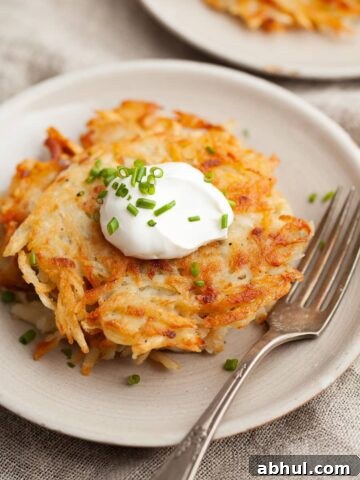
Gluten Free Kartoffelpuffer (Austrian Potato Pancakes)
-
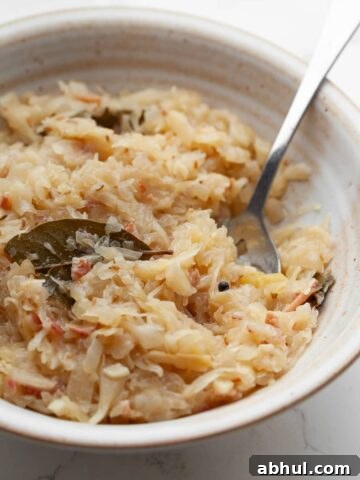
Gluten Free Cooked Sauerkraut
-
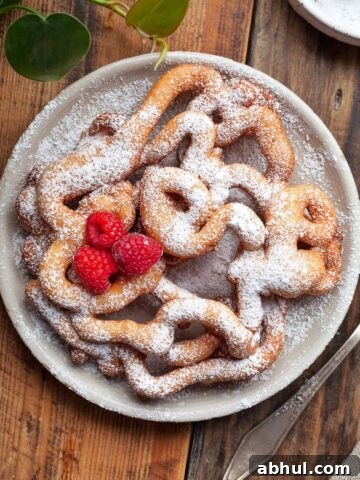
Gluten Free Strauben (Austrian Funnel Cake)
-
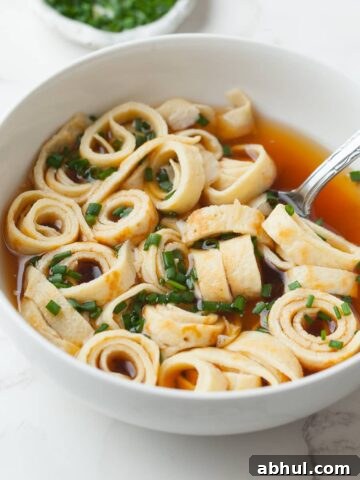
Gluten Free Frittatensuppe (Austrian Pancake Soup)
📖 Recipe
Gluten Free Marillenknödel (Austrian Apricot Dumplings)
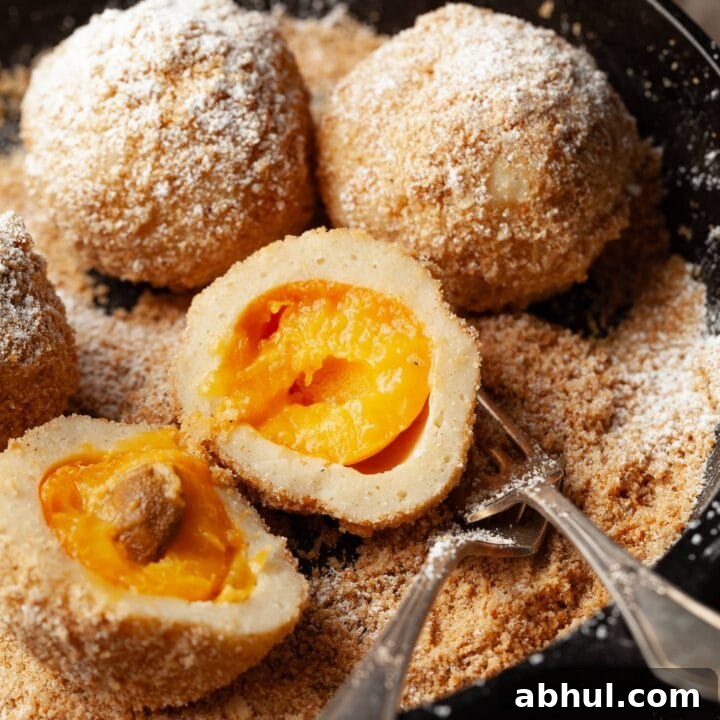
Discover Austria’s famous Marillenknödel, gluten-free and perfect for apricot season. Sweet apricots wrapped in dough, boiled, and coated in a toasted gluten-free breadcrumb topping.
30 minutes
20 minutes
45 minutes
1 hour 35 minutes
Ingredients
Gluten Free Dumpling Dough
- 215 grams gluten-free multi-purpose flour
- 20 grams superfine cornmeal
- ½ teaspoon kosher salt
- 45 grams unsalted butter
- 55 grams powdered sugar
- ½ pack vanilla sugar (or 1 teaspoon vanilla extract)
- 1 large egg, room temperature
- 250 grams full-fat Greek yogurt, drained
- 8 small fresh apricots
- Additional flour for assembling, if needed
Sweetened Breadcrumb Topping
- 30 grams unsalted butter
- 100 grams gluten-free breadcrumbs
- 30 grams granulated sugar
- ½ pack vanilla sugar (or 1 teaspoon vanilla extract)
- Pinch of kosher salt
For Serving
- Powdered sugar
Instructions
Gluten Free Apricot Dumpling Dough
- In a small saucepan or microwave-safe bowl, melt the butter. Transfer to a large bowl and let cool 5 minutes.
- Whisk together gluten-free flour, superfine cornmeal and kosher salt.
- Add powdered sugar, vanilla sugar (or extract) and the egg to the cooled butter; whisk until smooth.
- Stir in the drained Greek yogurt.
- Fold the dry ingredients into the wet until a slightly sticky dough forms.
- Cover and chill the dough at least 30 minutes.
Assembly
Use eight small apricots (about 40–45 g each). Chill the dough well before shaping and keep extra flour on hand.
- Wash and dry apricots, remove stems.
- Line a baking sheet with parchment and lightly flour it.
- Roll dough into a log and divide into eight equal pieces.
- Flatten each piece and wrap around an apricot, sealing edges.
- Roll to smooth and place on the prepared sheet.
- Chill the dumplings while preparing the cooking water. Uncooked dumplings can be refrigerated up to a day or frozen.
Cooking & Serving
- Bring a large pot of lightly salted water to a boil; use a wide pot to prevent sticking.
- Add 3–4 dumplings and reduce to a gentle simmer.
- Cook about 13–14 minutes, stirring once early on.
- While dumplings simmer, melt butter in a skillet and add breadcrumbs, sugar, salt and vanilla sugar (or vanilla extract mixed into the butter).
- Toast breadcrumbs over very low heat until golden, stirring constantly.
- When dumplings float, turn off heat and let sit one minute.
- Remove with a slotted spoon, drain well and coat thoroughly in the breadcrumb topping.
- Transfer to plates, top with extra breadcrumbs if desired, dust with powdered sugar and serve.
Notes
Fine Yellow Corn Meal: Use superfine cornmeal as a binder; pulse regular cornmeal if needed to refine the texture.
Cooking Time: Larger dumplings require more time—adjust accordingly.
Half Recipe: To halve, whisk an egg, weigh it and use half of the egg by weight.
Nutrition Information:
Yield:
8
Serving Size:
1
Amount Per Serving:
Calories: 350
Calories are an estimate.
Did you make this recipe?
Please leave a comment and rating if you try this recipe.