Have you seen recipes that call for flank steak but aren’t sure what it is? Don’t worry — this guide explains everything you need to know.
In this article you’ll learn:
- What flank steak is
- Where it comes from on the cow
- Other names it may be sold under
- How to choose, prepare, store, and substitute flank steak
What is Flank Steak?
Flank steak is a long, flat cut of beef commonly used in dishes like fajitas and stir-fries. It’s prized for its beefy flavor but is also known for being tougher than more heavily marbled cuts. The steak is typically thinner at one end, bone-free, and quite lean, which makes it versatile but also prone to toughness if not prepared correctly.
Because it’s lean, flank steak has less fat than many other cuts. That lean profile contributes to its affordability and to why proper cooking and slicing are important to make the meat tender and enjoyable.
Where Does Flank Steak Come From?
Flank steak comes from the abdominal area of the cow. It sits just below the sirloin, behind the plate, and in front of the round. This part of the animal gets a lot of movement, so the meat is composed of dense muscle fibers that give the cut its characteristic chew and bold flavor.
Because those muscles are active, flank steak is lean and can be tougher than more sedentary cuts. That’s why techniques like marinating, slicing across the grain, braising, or quick high-heat cooking are commonly used to make it tender.
What Are Some Other Names for Flank Steak?
Flank steak may be labeled under different names depending on the region or retailer. In many grocery stores it’s sometimes marketed as London Broil, though that name can also refer to top round, so pay attention to the cut and texture when buying.
International and regional names include:
- French: bavette
- Spanish: arrachera
- Brazilian: fraldinha or vazio
- Other occasional names: jiffy steak, flank steak fillet
Knowing these alternate names helps ensure you get the cut you want when shopping or ordering at a butcher.
What Should You Look For When Buying Flank Steak?
When selecting flank steak, look for a deep, vibrant red color and visible cross-grain muscle fibers. Because it’s a working muscle, the cut will be lean with little internal fat. The grain should be apparent — that’s important for slicing later.
Flank steak is generally less expensive than more marbled cuts due to its leanness. Choose a fresh package and check any sell-by or pack dates; plan to cook it within a few days of purchase for best quality.
Ways to Prepare Flank Steak
Flank steak is versatile and can be prepared several ways depending on the texture and flavor you want:
- Braising: Slow, moist cooking breaks down muscle fibers and produces tender results. Slicing or pounding the steak thinner before braising helps the meat absorb flavors from the sauce.
- High-heat, quick cooking: Ideal for fajitas, stir-fries, and grilling. Cook briefly over high heat to medium rare or medium to avoid toughness.
- Marinating: Because flank steak readily soaks up marinades, letting it sit for 12 hours or more enhances flavor and can help tenderize the meat.
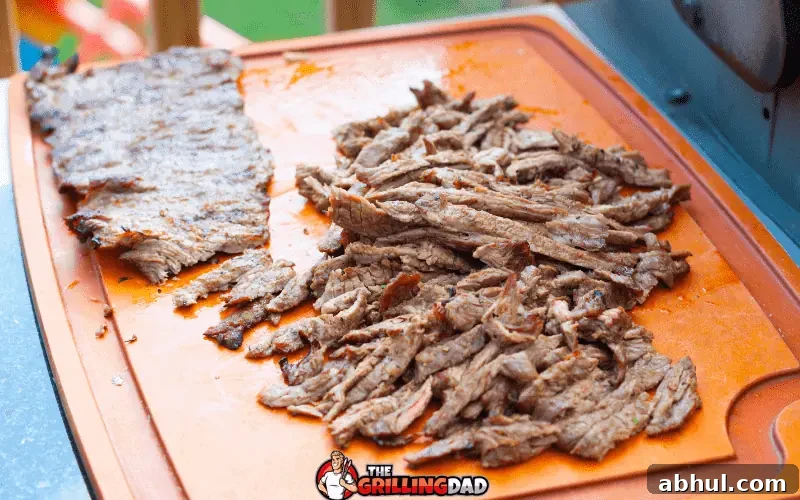
Always slice flank steak across the grain and at a slight angle to shorten the long muscle fibers — that makes each bite more tender.
How to Store Flank Steak
Store flank steak in the refrigerator and plan to cook it within 2–3 days of purchase. Keep it in its original packaging until you’re ready to use it to minimize exposure to air and bacteria.
If you won’t use the steak within a few days, freeze it to extend its shelf life. Thaw it in the refrigerator before cooking for best texture and safety. Discoloration like brown spots or off smells are signs the meat is past its prime and should be discarded.
Alternatives to Flank Steak
If you can’t find flank steak, several other cuts can provide similar results depending on the recipe:
Hangar Steak
Hangar steak has a similar oblong, thin shape but carries more marbling between the fibers. Often called the “butcher’s cut,” it’s flavorful and tender when cooked properly, making it a great substitute for flank in many dishes.
Skirt Steak
Skirt steak is longer and narrower and comes from the diaphragm muscles. It usually has more fat than flank steak, offering a juicier, richer flavor that works especially well in Mexican-style preparations. Like flank, skirt steak benefits from marinating and should be sliced across the grain.
Whatever substitute you choose, apply the same principles: marinate when appropriate, cook to the correct doneness, and slice thinly against the grain for the most tender results.