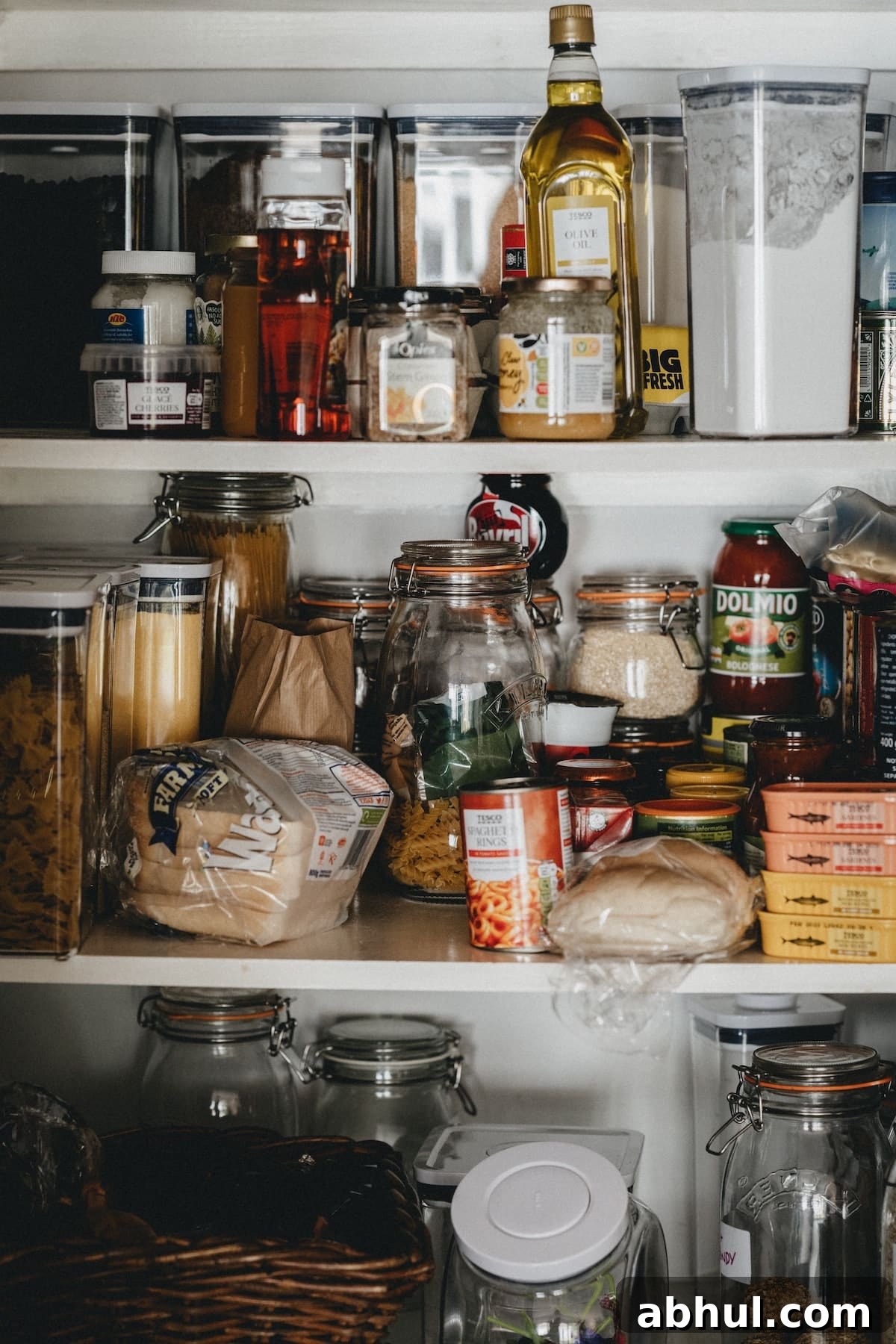
We’ve all been there—reaching into the back of the fridge to toss a forgotten box of spinach that’s past saving. It’s frustrating, and it makes you wonder whether fresh produce will ever get eaten in time.
The good news is that non-perishable foods can help reduce waste, simplify meal planning, and keep you nourished when fresh ingredients aren’t available.
This article explains what non-perishable foods are, the benefits they offer, how to choose healthier options, and more than 60 pantry staples to keep you fuelled and satisfied.
Non-perishable foods aren’t just for emergencies. They’re a practical part of everyday eating—helpful for saving money, cutting food waste, and lowering stress in the kitchen.
About the author: I’m Miranda, a balanced dietitian focused on realistic, evidence-based nutrition guidance to help you build a better relationship with food.
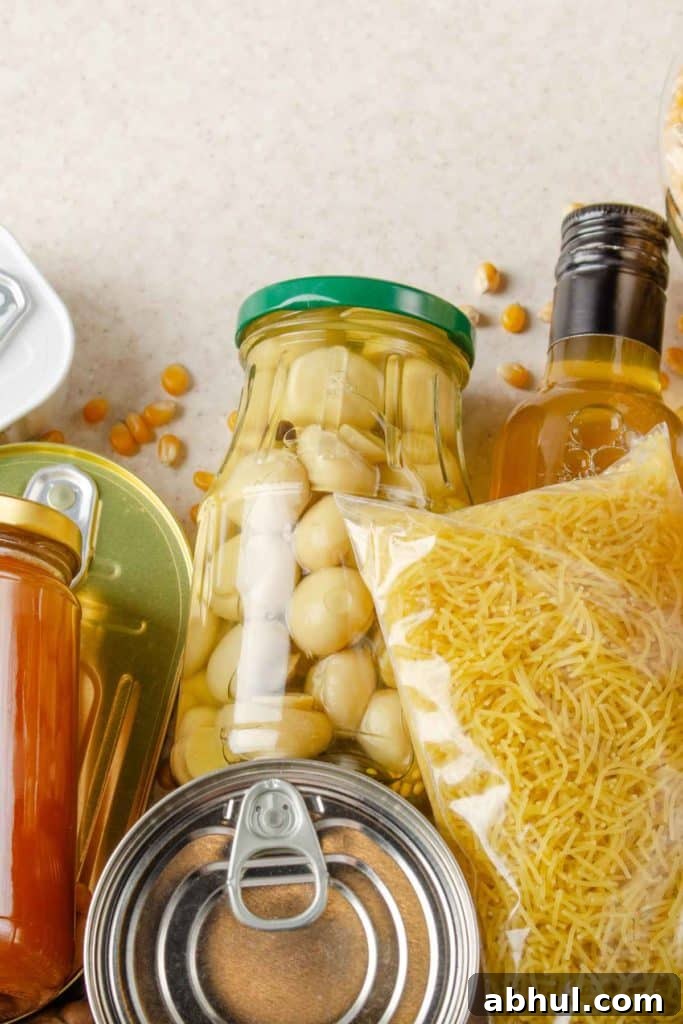
What is non-perishable food?
Non-perishable foods are items that are dried, canned, dehydrated or otherwise packaged to resist spoilage. They are shelf-stable, meaning they keep quality and safety at room temperature when stored properly. Many can last months or even years in the pantry.
Common examples include canned beans, dry cereal, shelf-stable juices, dried fruit and nut butters. These items make it easier to prepare nutritious meals without relying solely on fresh ingredients.
Benefits of non-perishable foods
Non-perishable foods are ideal for emergencies because they don’t need refrigeration. But they also offer everyday advantages:
Convenience
When fresh vegetables or meat aren’t available, shelf-stable foods can fill gaps quickly. They reduce last-minute store runs and make busy weeknights easier to manage.
Affordability
Many non-perishable items are less expensive than fresh alternatives. You can stock up when they’re on sale without worrying about spoilage, stretching your food budget further.
Availability
Non-perishable foods are available year-round, so you can enjoy a wider variety of ingredients regardless of season. That consistency makes meal planning simpler and can increase dietary variety.
Are non-perishable foods healthy?
Non-perishable items are processed or packaged to extend shelf life, and manufacturers sometimes add salt, sugar, or fat to enhance flavor or preservation. They may also contain preservatives or additives.
However, that doesn’t make them inherently unhealthy. Healthy eating is about overall patterns, and many nutrient-dense foods are shelf-stable. With mindful choices, non-perishables can fit easily into a balanced diet.
How to choose healthy non-perishable foods
Use the balanced plate approach as a simple guide: include proteins, carbohydrates, colorful fruits and vegetables, and healthy fats at most meals. When stocking your pantry, aim to include options from each of these categories so meals are satisfying and nourishing without meticulous tracking.
Key categories to stock:
- Carbohydrates
- Color (fruits and vegetables)
- Proteins
- Fats
Below is a practical list of healthy non-perishable foods organized by category.
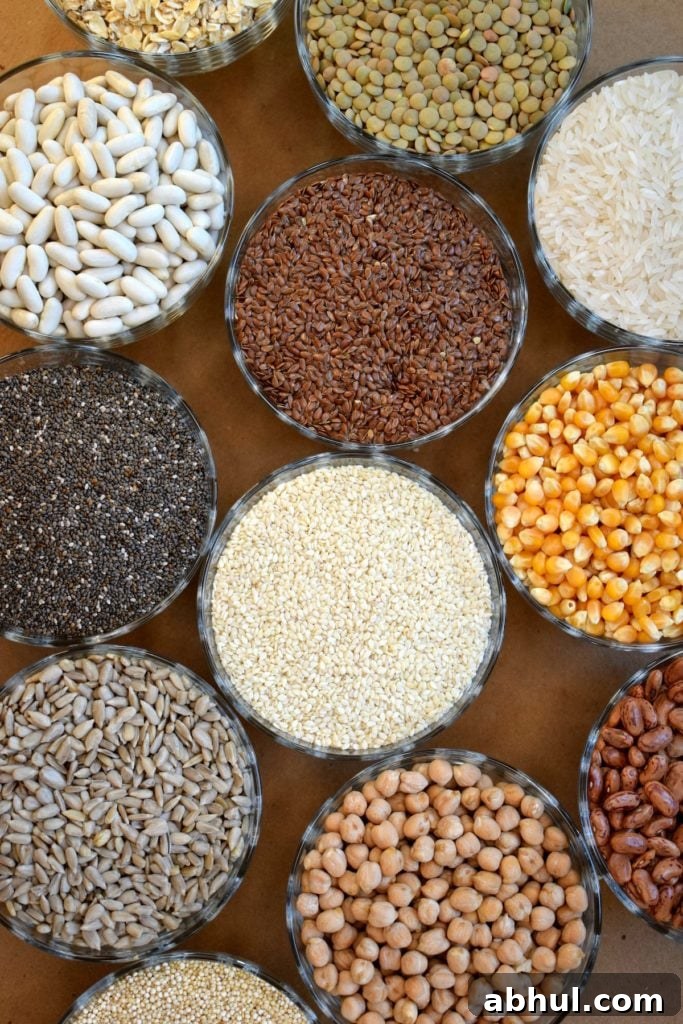
Healthy non-perishable carbohydrates
Carbohydrates provide energy and help keep you satisfied. Non-perishable carbohydrate options include:
- Oats
- Crackers
- Dried lentils
- Dried beans
- Canned corn
- Wheat berries
- Canned beans
- Uncooked rice
- Uncooked millet
- Uncooked barley
- Uncooked bulgur
- Canned potatoes
- Whole wheat pasta
- Bran buds or flakes
- High-fiber dried cereal
- Cream of wheat
- Chickpea or lentil pasta
Dietitian tip: Choose low- or no-sodium canned beans and lentils when possible, or rinse canned items before using to reduce added salt.
Healthy non-perishable fruits and vegetables
Fruits and vegetables supply water, fiber and important micronutrients. Shelf-stable choices include:
- Prunes
- Raisins
- Applesauce
- Dried apricots
- Freeze-dried fruit
- Dried cranberries
- Canned tomatoes
- Dried mushrooms
- Pickled vegetables
- Canned vegetables
- Sun-dried tomatoes
- Canned vegetable soup
- Jarred peaches in water
- Mixed fruit cups in water
- Canned mandarin sections
- Other canned or jarred fruit in water
Dietitian tip: Pick canned fruits packed in water rather than syrup to limit added sugars.
Healthy non-perishable proteins
Protein supports muscle maintenance and keeps you feeling full. Non-perishable protein sources include:
- Beef sticks
- Bone broth
- Protein bars
- Turkey jerky
- Shelf-stable milk alternatives
- Hemp seeds
- Canned chili
- Cheese crisps
- Protein powder
- Canned salmon
- Canned chicken
- Canned sardines
- Skim milk powder
- Shelf-stable soy milk
- PB2 powdered peanut butter
- Canned tuna or tuna pouches
Dietitian tip: Choose canned tuna packed in water for a leaner option, though oil-packed fish can be more satisfying for some and is fine when it fits your preferences.
Healthy non-perishable fats
Dietary fats aid nutrient absorption and help meals feel satisfying. Non-perishable fat choices include:
- Tahini
- Olive oil
- Avocado oil
- Jarred olives
- Peanut butter
- Almond butter
- Cashew butter
- Sunflower butter
- Unsweetened shredded coconut
- Nuts (walnuts, pecans, cashews, etc.)
- Seeds (sunflower, pumpkin, etc.)
Dietitian tip: Store oils, nut butters and other fats in airtight containers in a cool, dark place to slow oxidation and prevent rancidity.
Other healthy non-perishable foods
Additional useful pantry items include:
- Flour
- Spices
- Honey
- Vinegar
- Trail mix
- Pasta sauce
- Maple syrup
- Almond flour
- Granola bars
- Low-sugar jams
- Dark chocolate chips
Dietitian tip: Include one or two enjoyable “fun” foods on your grocery list each week—satisfaction is part of a sustainable healthy diet.
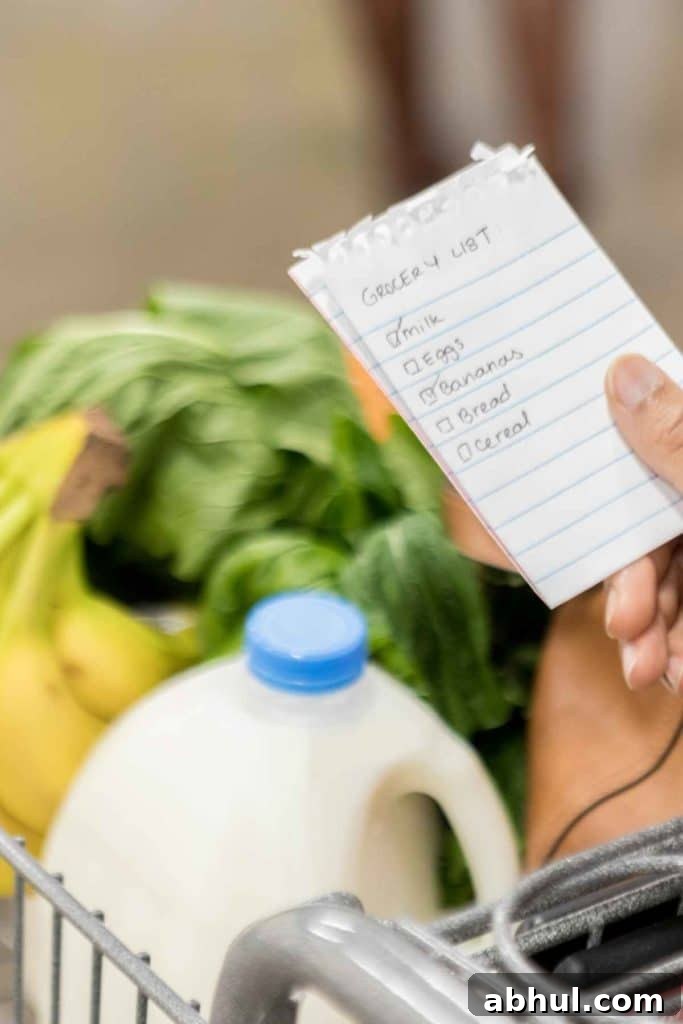
How to add more healthy non-perishable foods to your life
Try these practical tips before you shop:
- Shop your cupboards first. Pantries can accumulate items you forget about—take stock to avoid unnecessary purchases.
- Check expiry dates. Shelf-stable foods last a long time, but not forever. Be mindful of best-before dates and avoid buying more than you’ll use.
- Choose minimal added ingredients. When possible, opt for products with less added sugar, salt and fat.
- Use what you buy. Keep a modest emergency supply, but also incorporate shelf-stable foods into weekly meals so they don’t sit unused.
Final thoughts
Non-perishable foods—dried, canned, dehydrated and packaged items—are shelf-stable and long-lasting. They’re indispensable in emergencies and also make everyday cooking easier, more affordable and often nutritious.
While some shelf-stable products contain added salt, sugar or fat, many are nutrient-dense and can easily fit into a balanced eating pattern. Save this list of 60+ healthy non-perishable foods to build a well-rounded pantry that supports both convenience and health.