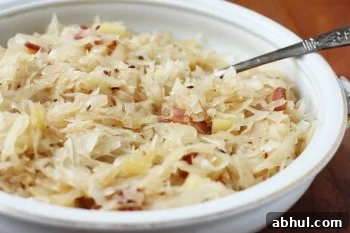
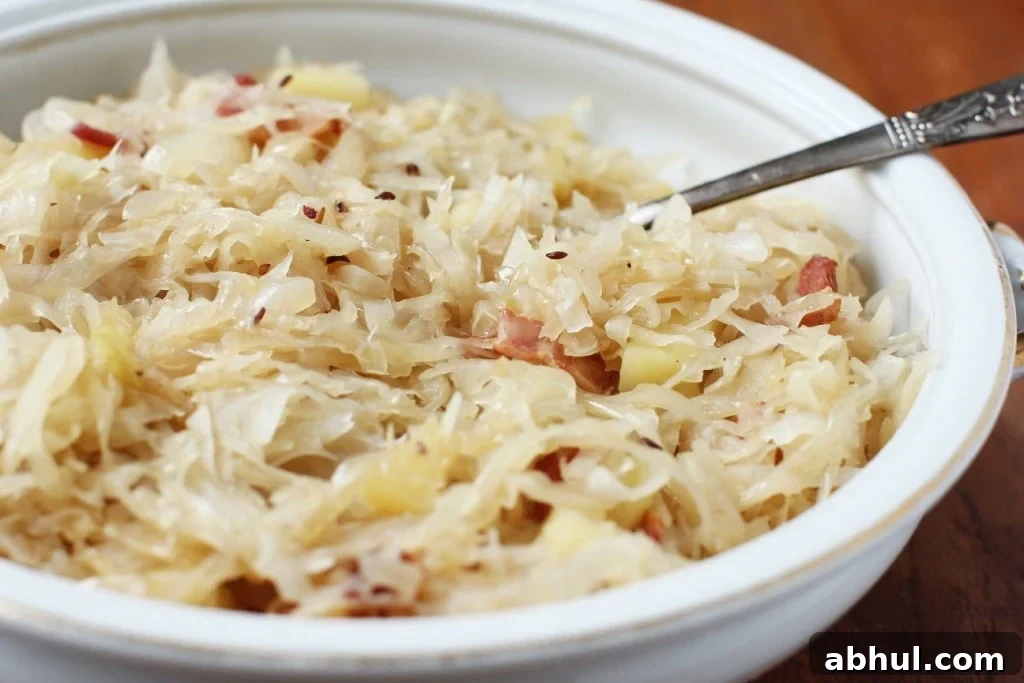
A zesty serving of German-style sauerkraut makes a healthy, flavorful side dish to brighten any meal. It pairs especially well with sausages, ham, roasted meats, or barbecue.
I recently spent a week on the coast in the Lower Mainland of British Columbia — Vancouver and the neighbouring communities — which was a lovely escape from the deep winter back home in northern Alberta. The mild climate and the green landscape felt restorative when snow-covered fields came to mind.

Visits to the coast always awaken memories of my childhood. I was born in New Westminster and spent my early years in Aldergrove and Chilliwack. Though I now call Alberta home, my roots are in B.C., and family time there is full of warmth. Many relatives live on rural properties and several are chicken farmers — picture-perfect farms set among cedar groves and mossy forest floors.
One of my favourite places is my uncle and aunt’s property with an ancient cedar forest and a creek winding through the ferns and moss-covered logs. Walking there feels like a little piece of paradise.

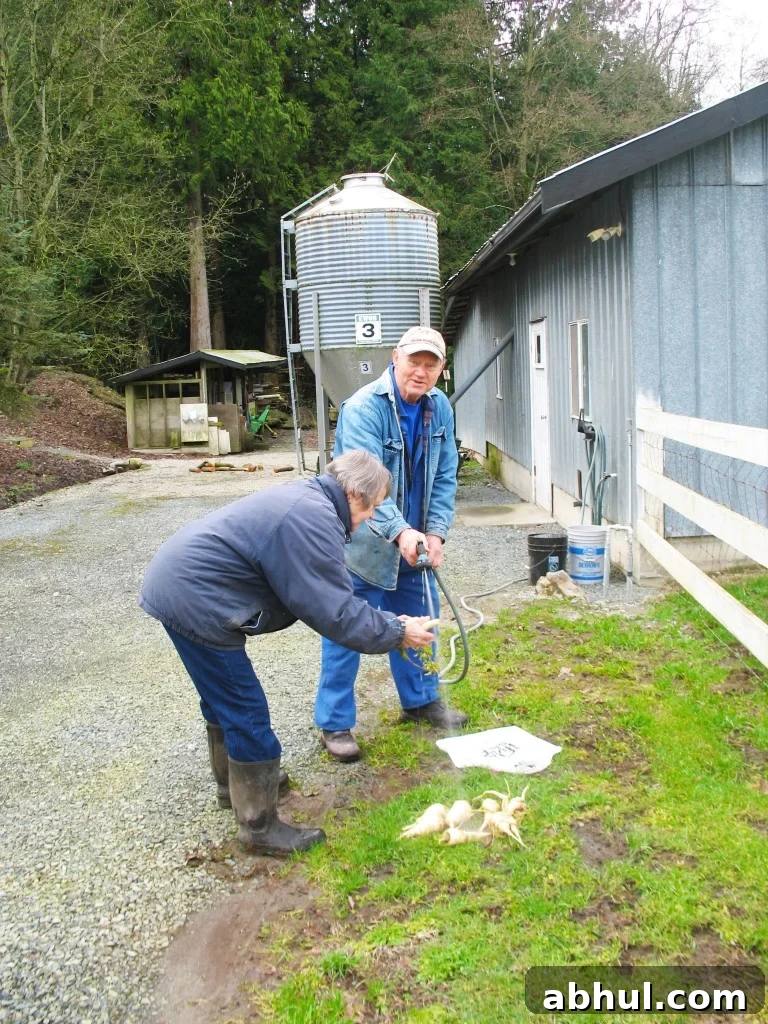
Although it rained most of my stay (I spotted the sun briefly), the constant green and the sight of crocuses and snowdrops felt like early signs of spring. My aunt and uncle were still harvesting kale and parsnips from their garden in January — small delights that make coastal winters special.

I enjoyed city outings too, including a spectacular performance in Vancouver, but most of my time was spent visiting family. My mother flew down to join me and the gatherings were filled with laughter, good food, and fond memories. Family meals are the highlight — crowded tables, lively conversation, and comforting dishes shared by everyone.
Being with relatives connects me to my past and reminds me who I am. They’ve known me since childhood and take joy in family traditions — including food. At one gathering, my Auntie Irma cooked her famous sauerkraut with smoked turkey legs, a dish everyone anticipated.
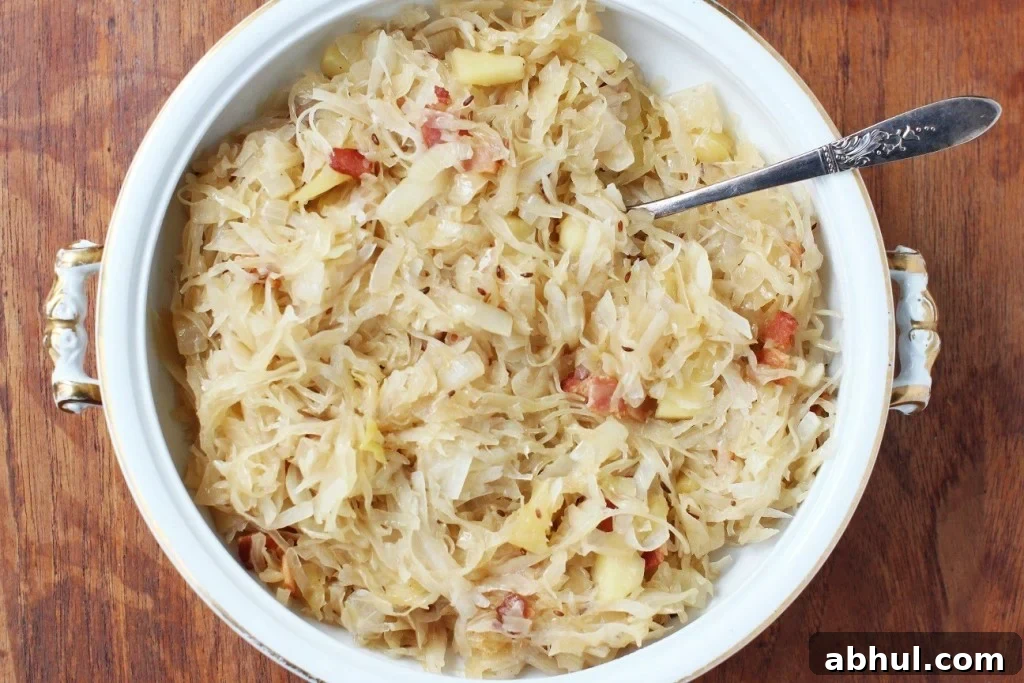
My mother and her sister learned to cook from their mother, but over time each developed her own variations. Aunt Irma adds apple and grates a potato into her sauerkraut to thicken it; my mom sometimes adds a touch of chili. Caraway seeds and juniper berries are common additions, and sauerkraut can be cooked with sausages, smoked pork hock, or simply served on its own. No matter the method, the result is comforting and satisfying.
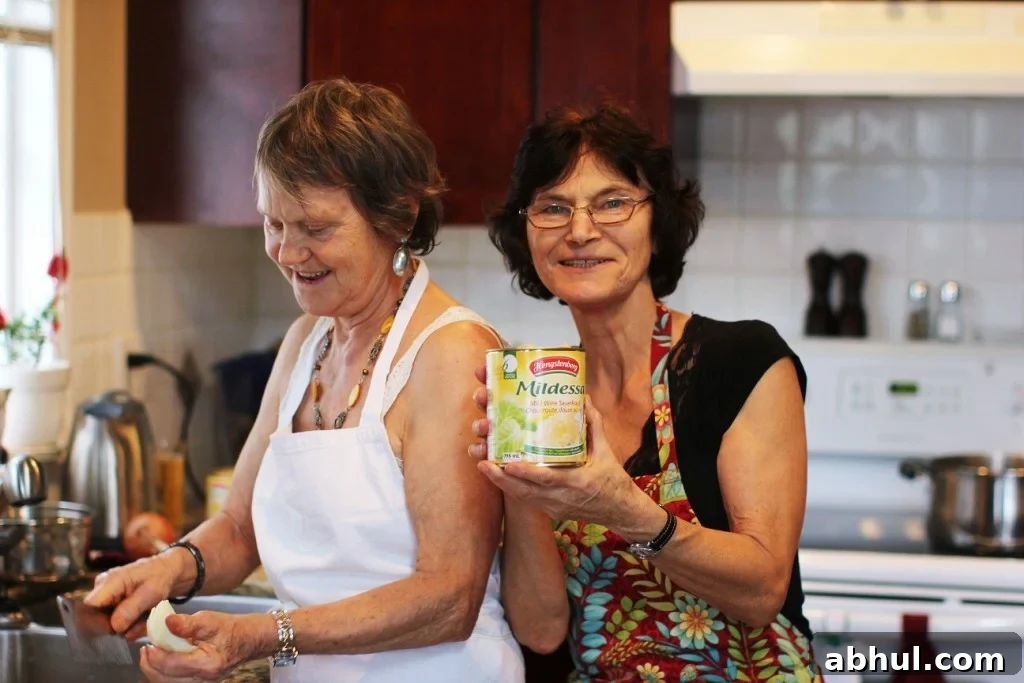
Cooking together and sharing the meal is what brings us together, and of course we toast the finished dish with a good German beer — Prost!

For me, sauerkraut is comfort food — tangy and addictive. I once ate an entire quart in one sitting while pregnant, but these days I enjoy it in moderation.
* * * * *
Kitchen Frau Notes: Use homemade sauerkraut if available or a mild German wine sauerkraut from a deli. If you must use regular jarred or canned sauerkraut, drain it well (it tends to be more sour) and add a splash of water while cooking to balance the flavours.
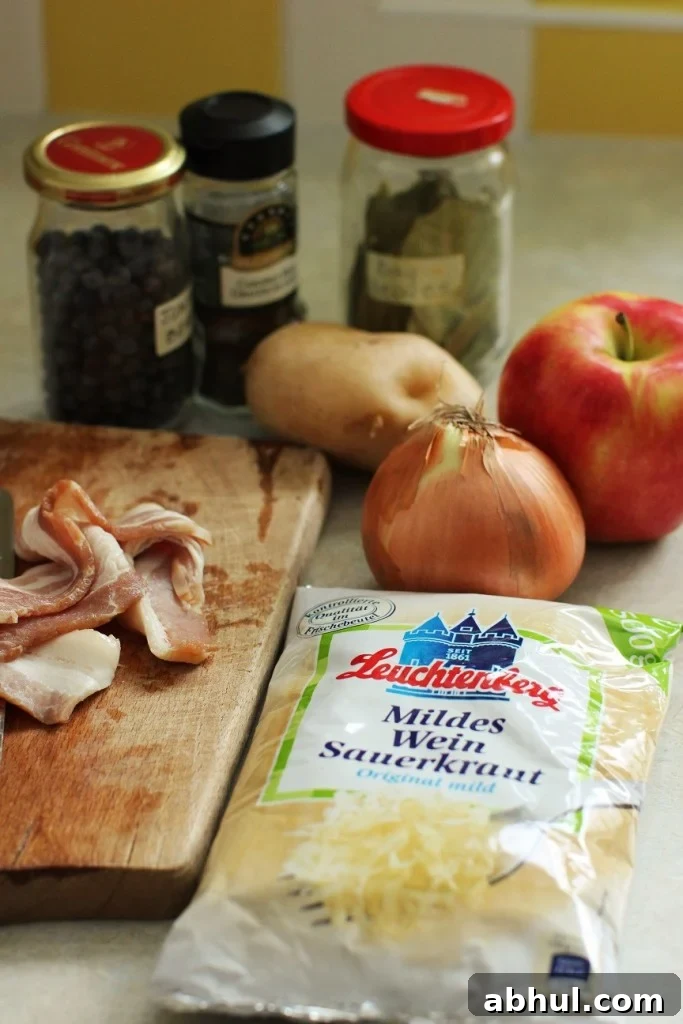
If you prefer, replace the bacon with chopped ham and a tablespoon of oil, or omit meat entirely and sauté the onions and apples in oil for a vegetarian version. Grating a potato into the sauerkraut helps thicken it and absorb excess liquid without altering the taste — a handy trick I picked up from my aunt.
Some people rinse sauerkraut to mellow its sourness. I usually leave it undrained to preserve the tang, but rinsing is a good approach if you’re introducing the dish to people unfamiliar with fermented flavours.
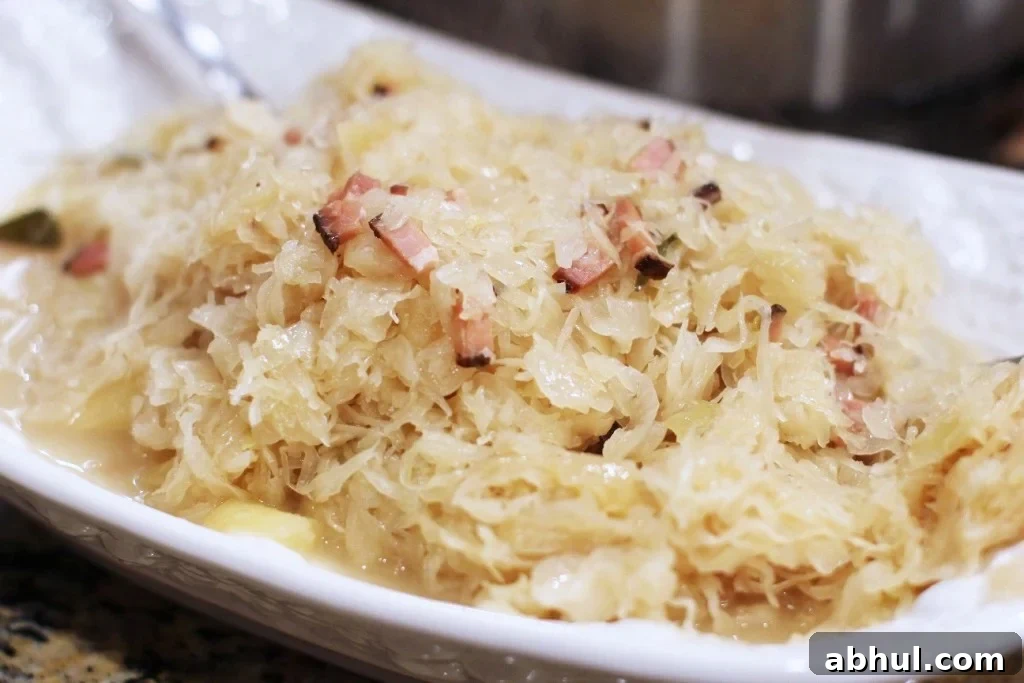
German Style Sauerkraut
- 2 to 3 slices lean bacon
- 1 small onion, finely diced
- 1 small apple (or ½ of a large one), peeled, cored and diced
- 1 bay leaf
- ½ teaspoon caraway seeds (optional)
- 3 to 4 juniper berries (optional)
- 400–500 grams (about 1 lb) mild sauerkraut (1 can 396 ml/28 oz or a 500 g bag, or 3–4 cups)
- 1 medium potato, grated (optional)
Cut the bacon into roughly ½ inch (1 cm) pieces. Heat a large heavy-bottomed saucepan or small Dutch oven over medium heat. Sauté the bacon until the pieces are nearly crisp, then add the onion and apple and cook 2–3 minutes until the onion is translucent. Add the bay leaf, and sprinkle in caraway seeds and juniper berries if using.
Add the sauerkraut along with its juices to the pan. If the sauerkraut is very sour, drain it and add about ¼ cup water. Grate the potato into the pan and stir to combine.
There should be enough liquid to cover the bottom of the pan by about ¼ inch; add a little water if needed. Bring to a boil, reduce the heat to low, cover, and simmer 15–20 minutes to meld the flavours. Remove the bay leaf and juniper berries before serving.
Serves 4–6. Makes about 4 cups.
Guten Appetit!
You might also like:
German Potato Salad
Sauerkraut Potato Salad
German Style Sweet & Sour Lentil Eintopf (One Pot)
Seed Crusted Pork Tenderloin with Parsnip Mashed Potatoes