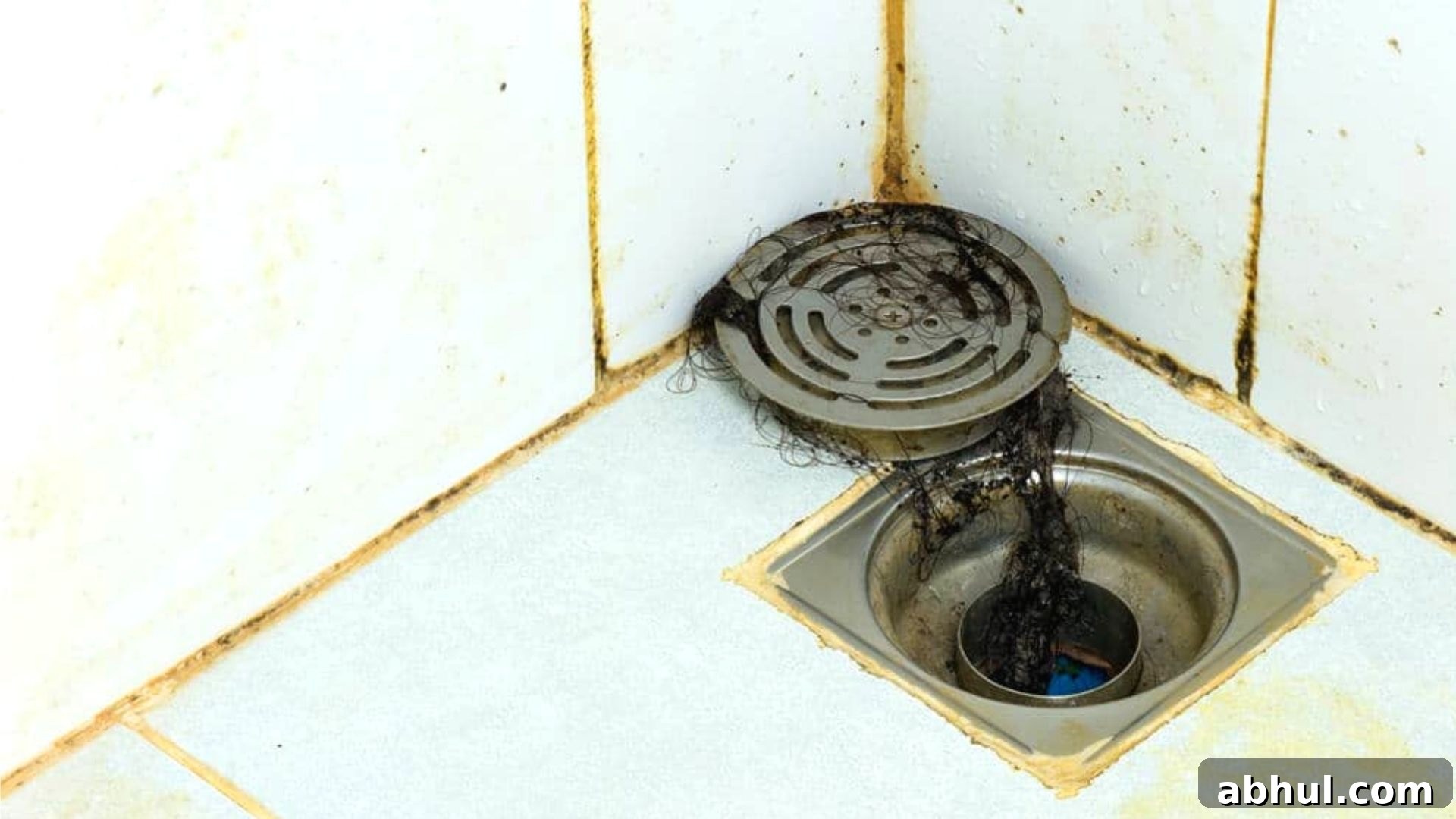
We notice walls, windows, floors, and fixtures when caring for a home, but many critical systems operate unseen until something goes wrong. The sewer drain system is one of the most important yet most overlooked systems in any property. When it works correctly, you hardly notice it; when it fails or clogs, the problem becomes obvious fast and usually requires prompt attention.
A clogged sewer drain can create health risks, lead to costly repairs, and cause major inconvenience. Recognizing the warning signs early helps you avoid unnecessary expenses and damage. Below are five key indicators that your sewer drains may be clogged and need professional cleaning.
Slow Draining Fixtures
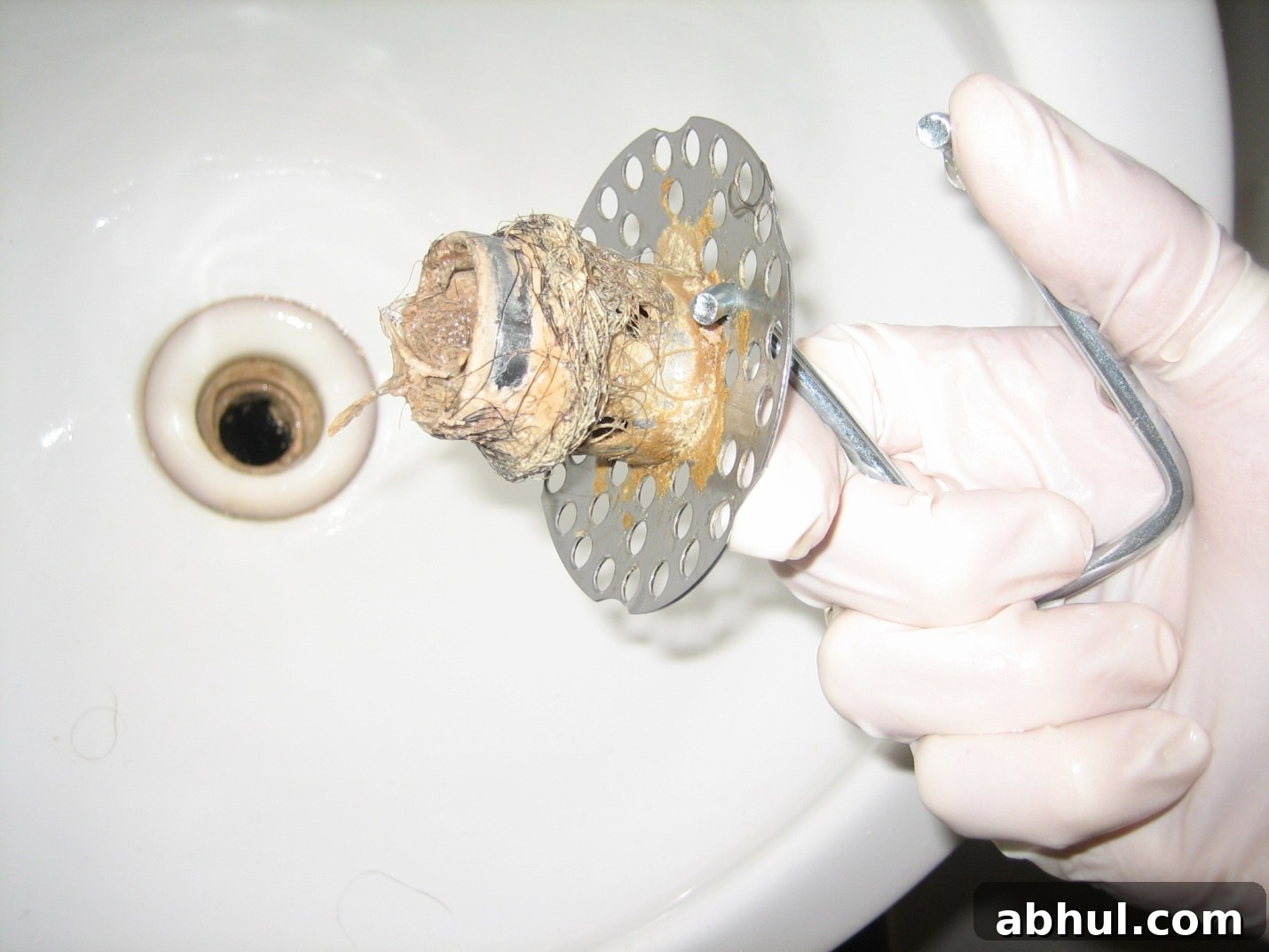
Slow-draining sinks, tubs, or showers are among the most common signs of a sewer issue. You might notice standing water in the shower, a kitchen sink that takes unusually long to empty, or water pooling around your feet in the tub. One slow fixture can indicate a localized clog, but multiple slow drains throughout the house often point to a problem with the main sewer line.
Debris such as grease, hair, and soap scum builds up inside pipes over time, narrowing their diameter and restricting flow. Slow drains should not be ignored; what starts as a minor slowdown can develop into a full blockage. Professional drain cleaning can remove accumulated buildup and restore normal drainage.
Bad Odors
Foul smells coming from sinks, toilets, or floor drains are a clear sign that something is wrong with the sewer system. Persistent sewer odors usually indicate a blockage that prevents wastewater and gases from flowing properly. Organic matter trapped in a clogged drain decomposes and releases gases such as methane and hydrogen sulfide, which are both unpleasant and potentially hazardous.
These odors should be addressed promptly. Routine inspections and cleaning help locate and eliminate the source before conditions worsen, protecting indoor air quality and reducing health risks.
Gurgling Noises
Bubbling or gurgling sounds from toilets or drains often indicate trapped air in the plumbing, which usually results from a blockage that disrupts the normal flow of water and air. When water cannot pass freely, air pockets are forced back through the system and produce gurgling noises when fixtures are used.
This is not just an odd plumbing quirk; it’s a warning sign that should not be ignored. If left unaddressed, the same obstructions can lead to sewage backups. A professional plumber can identify the source of the noise and clear the blockage to keep the plumbing system functioning quietly and reliably.
Water Backups
Water backing up into sinks, tubs, or toilets is one of the most alarming signs of a sewer clog. You may notice washing machine discharge bubbling up in a basement drain, or water rising in a shower when flushing a toilet. These events typically indicate a blockage in the main sewer line preventing wastewater from leaving the property.
Backups pose serious health hazards in addition to potential property damage, since sewage contains harmful bacteria and pathogens. If you experience a backup, shut off water fixtures and contact a plumber immediately. Thorough drain cleaning can remove the obstruction and restore safe wastewater flow.
Multiple Clogged Fixtures
While a single clogged sink or tub may be an isolated issue, simultaneous problems across multiple fixtures generally point to a larger, systemic issue. If sinks, showers, and toilets begin to back up or drain slowly at the same time, the main sewer line is often to blame.
Widespread clogs may result from severe obstructions such as collapsed pipes, accumulated debris, or invading tree roots. These situations typically require professional intervention with specialized equipment; store-bought cleaners and plungers are unlikely to resolve them. Prompt professional attention can prevent more extensive damage and expensive pipe replacement by removing blockages early.
Avoiding Future Blockages
Once your drains have been cleaned and are functioning properly, adopt habits that reduce the risk of future clogs. Avoid flushing non-biodegradable items like wipes and feminine hygiene products, and do not pour grease down kitchen drains. Use drain strainers to catch hair and debris in showers and sinks.
Regular maintenance is also important. Annual drain cleaning and inspections help catch minor issues before they escalate. Many professional plumbers offer camera inspections that provide a clear view of pipe conditions, helping to identify problems early. Proactive maintenance extends the life of your plumbing system and can save money over time.
Final Thoughts
A clogged sewer drain is more than an annoyance; it threatens your property, health, and peace of mind. Recognizing early signs—slow drains, foul odors, gurgling sounds, water backups, and multiple clogged fixtures—makes remediation easier and less costly. Acting quickly and scheduling professional drain cleaning when needed will protect your home and keep your plumbing running smoothly.