Here are some essential baking rules everyone should follow, whether you’re a beginner or experienced. Some are obvious, while others are key techniques that can transform your baking for good.
1. Read the Recipe (and the Reviews)
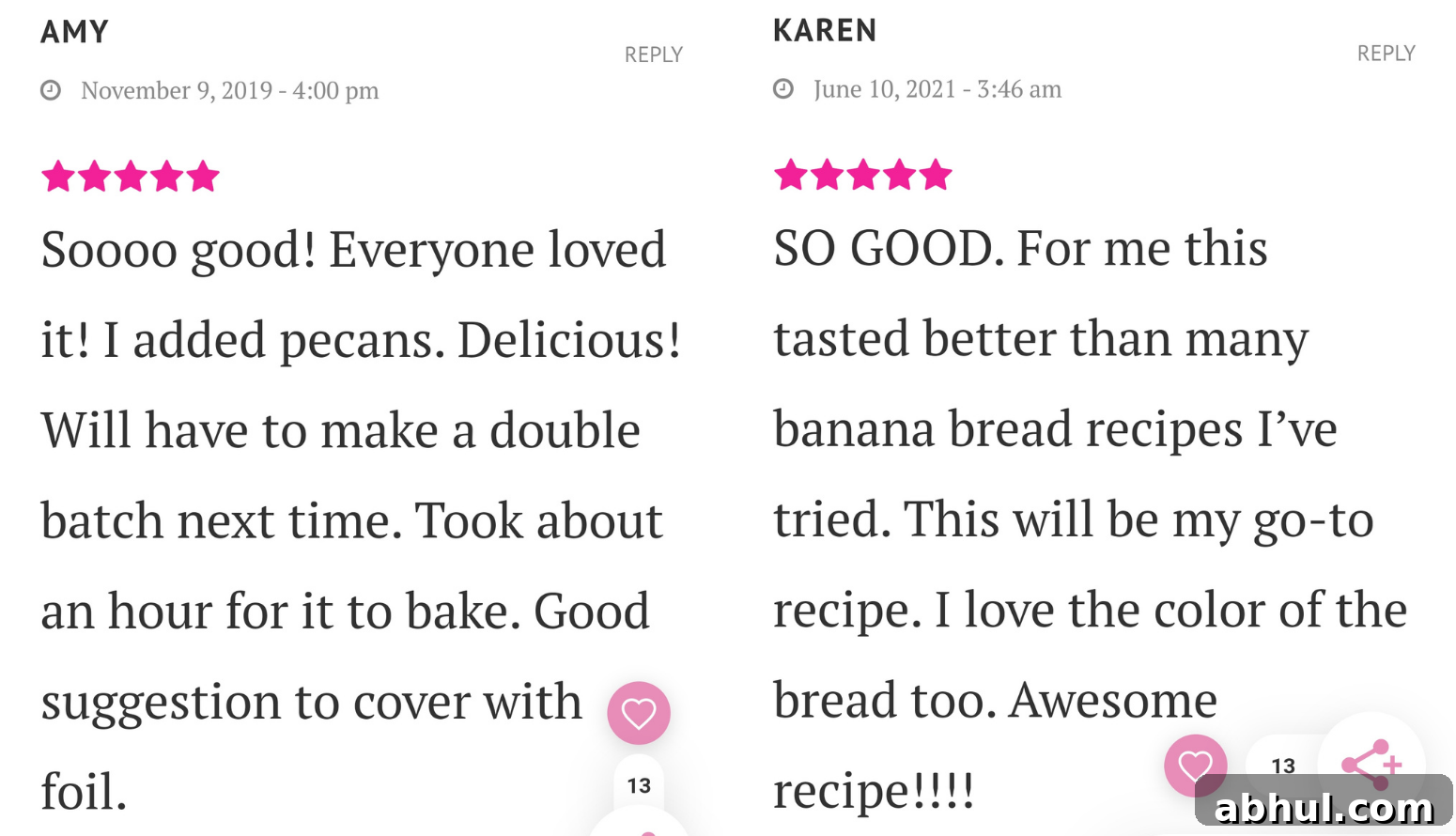
Always read the entire recipe before starting, including any comments or reviews. Doing so tells you what ingredients and equipment you need, clarifies the sequence of steps, and alerts you to useful tips, substitutions, or pan-size adjustments. Reviews often point out common pitfalls and helpful tweaks, so don’t skip them.
2. Check That You Have All Ingredients
Gather and measure everything before you start. Running out of an ingredient midway through mixing is frustrating and can ruin a recipe. Being prepared saves time and prevents last-minute compromises.
Popular Recipe: Vanilla Pudding Bundt Cake
3. Preheat the Oven Before You Begin (Unless Told Otherwise)
Preheating ensures the oven reaches the correct temperature by the time your batter or dough goes in. Many recipes depend on immediate, consistent heat to rise and set properly, so start preheating before you assemble ingredients.
4. Use Ingredients at the Right Temperature
Ingredient temperature affects texture and chemistry. Room-temperature butter creams better for cakes, cold butter is preferred for flaky pastries, and liquids for activating yeast should be warm (about 110–115°F / 43–46°C). Follow the recipe’s temperature guidance for best results.
Typical examples
- Cake recipes usually call for room-temperature butter to create a smooth, uniform batter.
- Pies and scones require cold butter to create steam during baking for a tender, flaky texture.
- Yeast is activated with warm liquids (about 110–115°F / 43–46°C).
- When recipes use melted coconut oil, pair it with room-temperature liquids to avoid the fat solidifying and causing a lumpy, dry result.
5. Wash Your Hands After Cracking Eggs
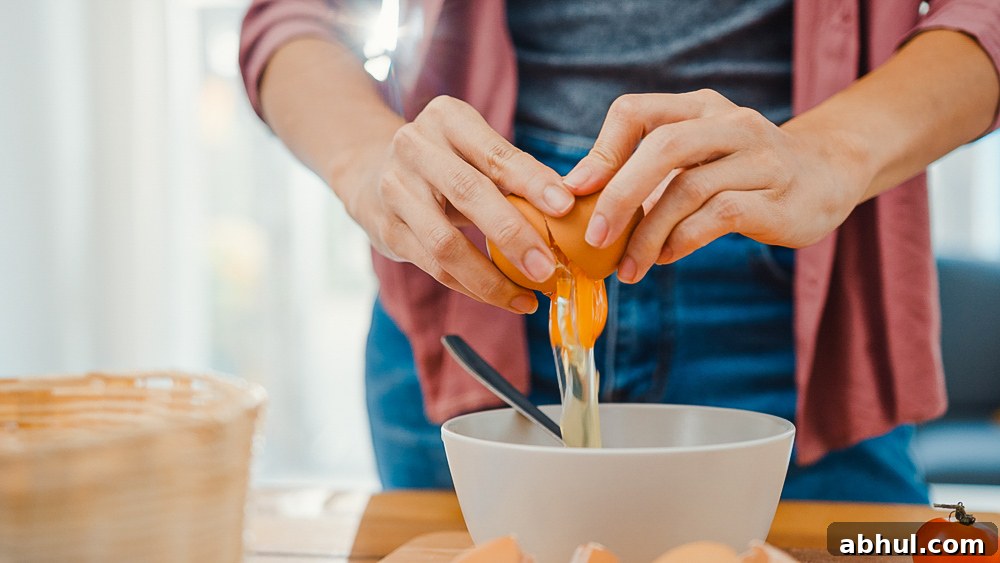
Always wash your hands after handling raw eggs. Eggs can carry bacteria like Salmonella, which can contaminate hands and surfaces. Washing takes less than a minute and helps prevent foodborne illness.
6. Don’t Skip the Salt
Salt enhances and balances flavors in baked goods. Omitting or reducing it too much can make results taste flat or overly sweet. Unless a recipe specifies low or no salt, follow the amount called for.
7. Use the Correct Mixing Technique
Follow the recipe’s directions—mix, beat, fold, stir, knead, cut, or sift—as each technique affects texture and rise. Using the wrong method can change the outcome dramatically.
What each technique does
- Mixing: Combines ingredients and develops gluten; overmixing can lead to toughness.
- Beating: Incorporates air and emulsifies fats and liquids for a light texture.
- Folding: Gently incorporates delicate or airy components without deflating them.
- Stirring: Evenly disperses ingredients with gentle circular motions.
- Kneading: Develops gluten for strong dough structure.
- Cutting: Combines fat into flour for tender, flaky results.
- Sifting: Removes lumps and adds air for even mixing.
8. Don’t Overmix
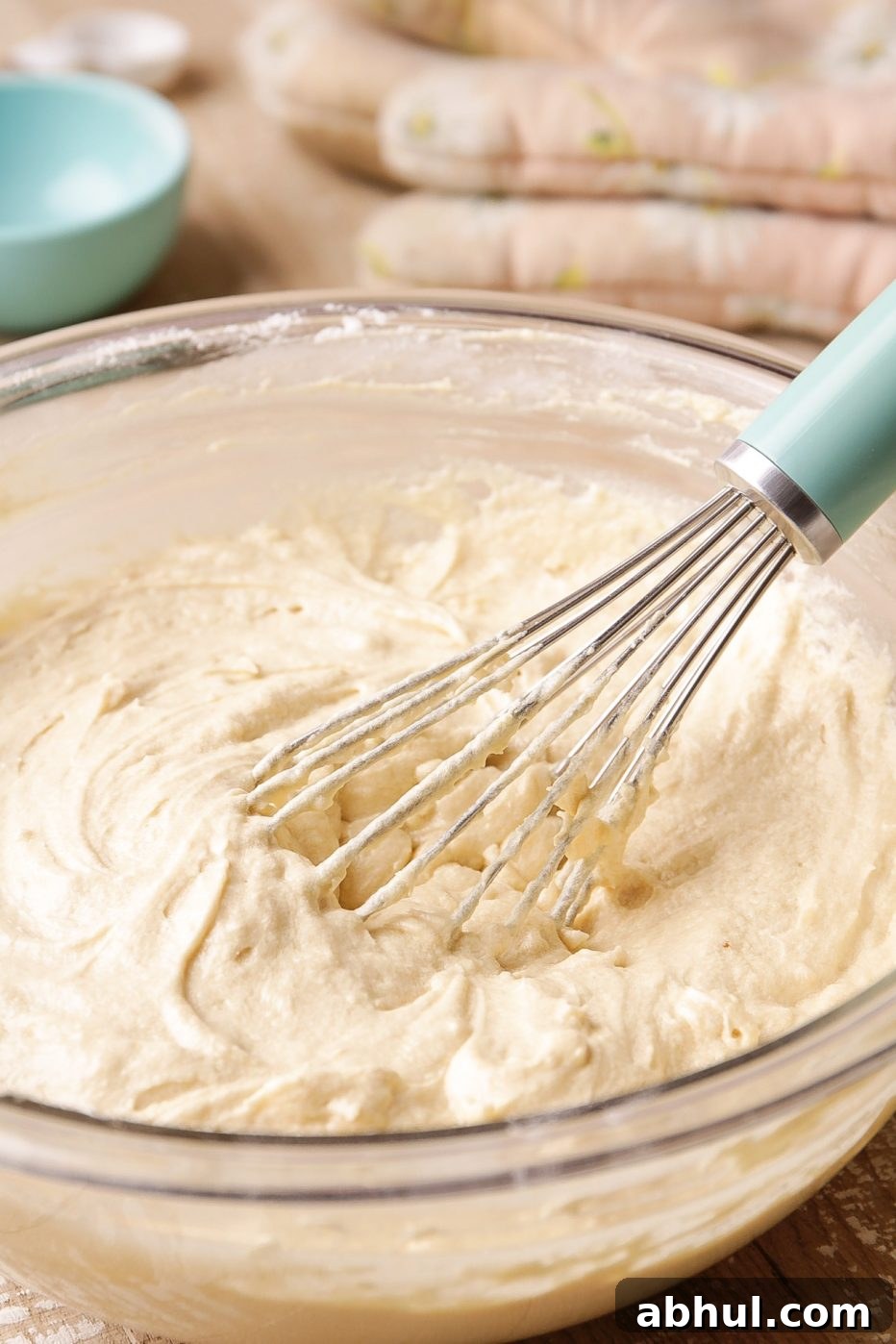
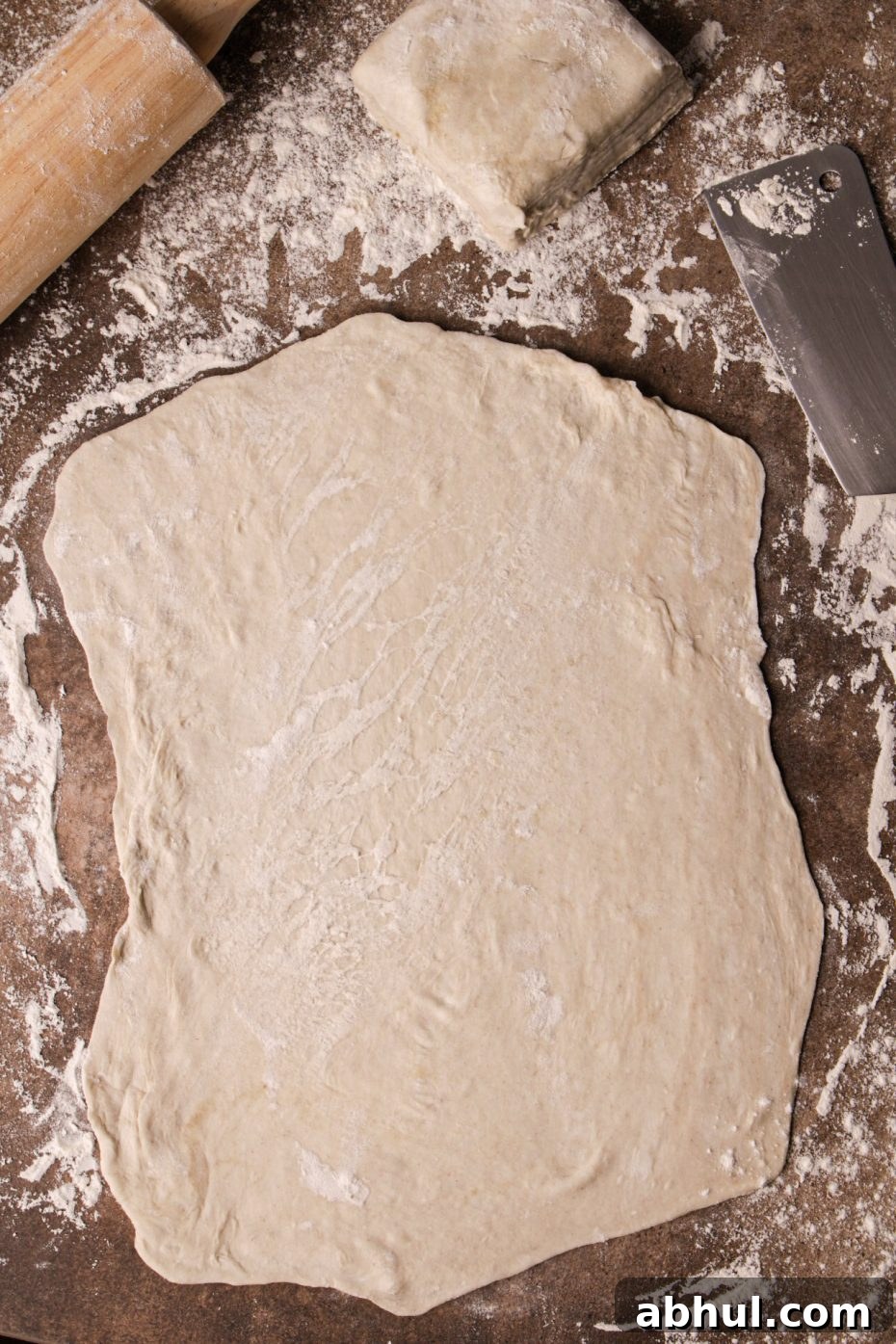
Overmixing develops too much gluten, making cakes and breads tough or gummy. Mix only until ingredients are combined—if flour is the last addition, stop when no dry streaks remain.
Signs of overmixed batter or dough
- Tunnels or elongated holes in cakes
- Tough, rubbery, or dry texture
- Gummy or sunken centers
- Dough that breaks and won’t stretch, or becomes overly crisp and flat
9. Measure Accurately
Measure by weight or volume. Weighing ingredients with a digital kitchen scale is the most precise method and is preferred by professionals. If you use cups, use proper dry and liquid measuring tools and follow best practices to avoid inconsistent results.
Measuring by weight
A kitchen scale provides accurate measurements in grams or ounces and reduces recipe variability. It’s an inexpensive tool that improves reliability.
Measuring by volume
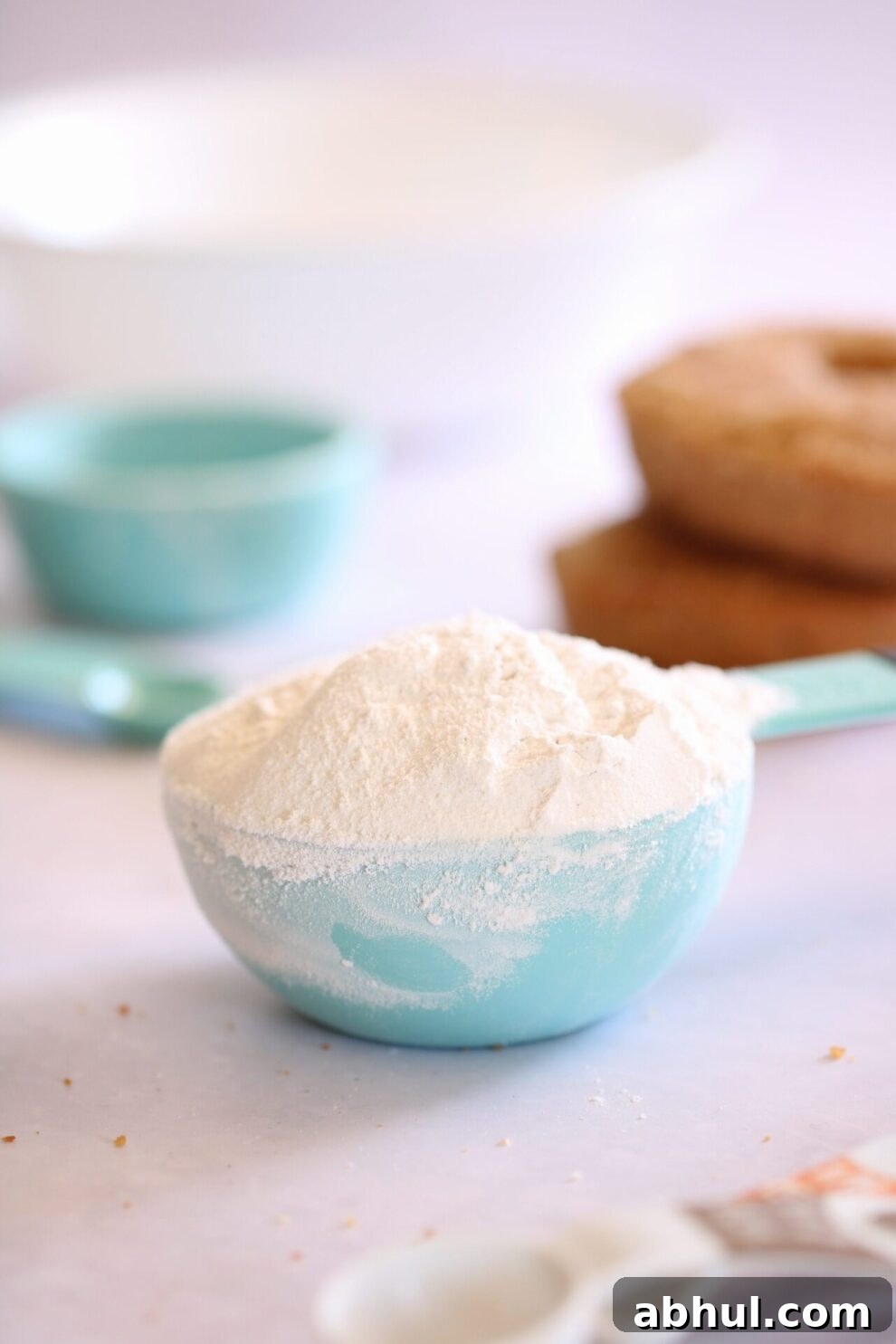
Use dry measuring cups for flour, sugar, and other dry ingredients, liquid measuring cups for liquids, and measuring spoons for small quantities. When using cups for flour, spoon the flour into the cup and level it off rather than scooping directly from the container.
10. Spoon and Level Flour When Using Cups
Fluff the flour, spoon it into the measuring cup, then level it with a straight edge. Scooping directly packs the flour and adds too much, which can lead to dry, dense results.
11. Use the Right Tools
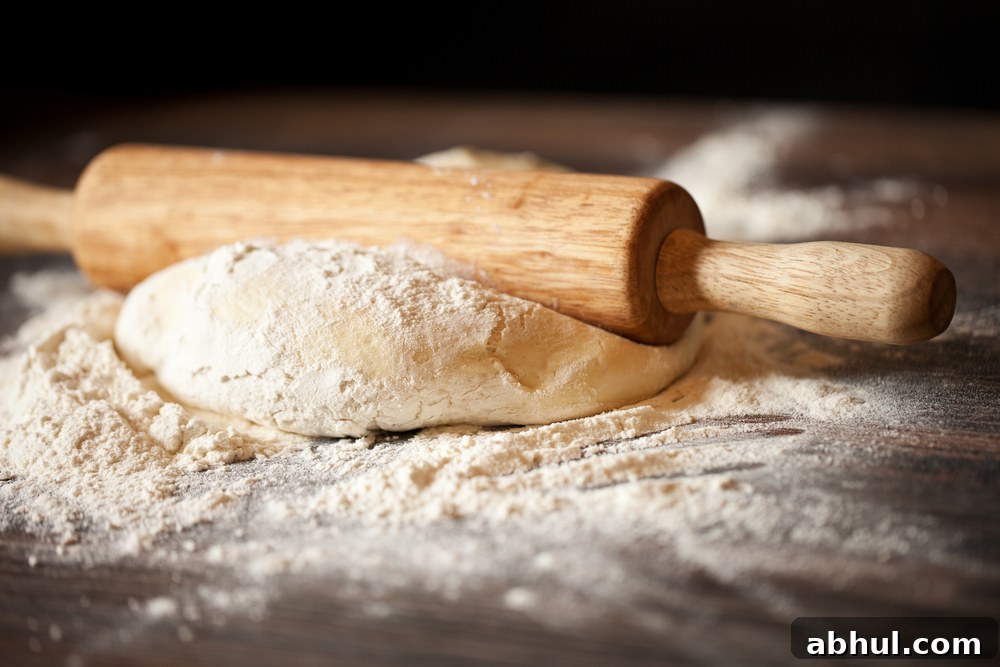
Using proper tools—mixer or whisk for creaming, rolling pin for pastry, accurate measuring tools—saves time and ensures better results. The right tool produces the intended texture and consistency more efficiently than improvising.
12. Use the Right Size Pan
Follow the pan size specified in the recipe. Different pan sizes affect baking time and doneness—too large a pan can overbake, while a smaller pan can leave the center underbaked.
13. Prep Your Pans
Always grease or line pans to prevent sticking—even when the recipe doesn’t explicitly say so. Options include butter or shortening (sometimes dusted with flour), nonstick cooking spray, parchment paper (not wax paper), and foil (with additional greasing if needed).
For cakes, a traditional method is to grease the pan, add a little flour, rotate to coat, and discard the excess. For muffins and cupcakes, use liners or spray them lightly with cooking spray to prevent sticking.
14. Follow Fill Instructions
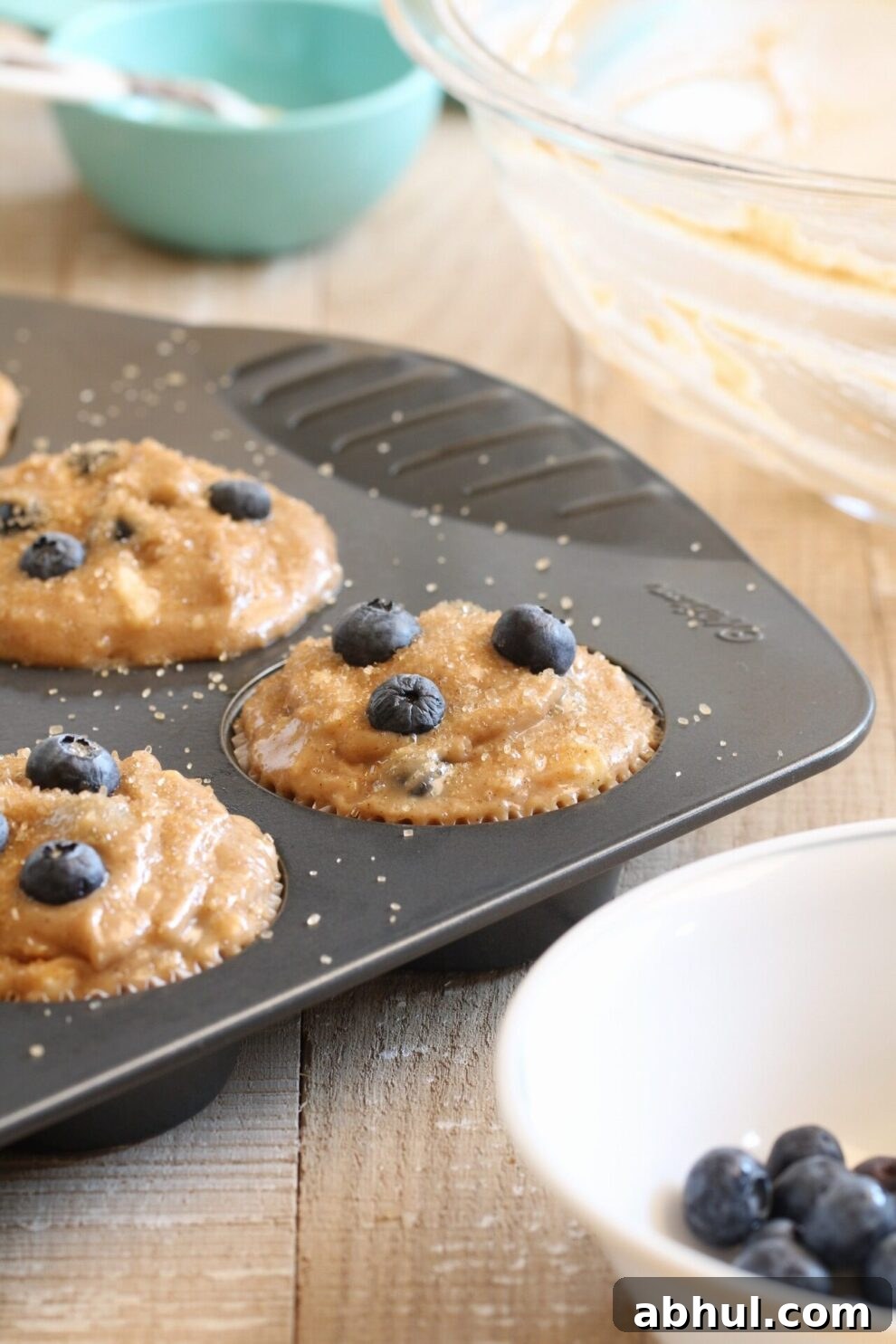
Fill muffin cups, loaf pans, or cake pans to the level the recipe specifies. Some recipes call for two-thirds full to allow room for rise; others (like bakery-style muffins) instruct filling to the top for a domed result. Follow the guidance to avoid overflow or underfilled outcomes.
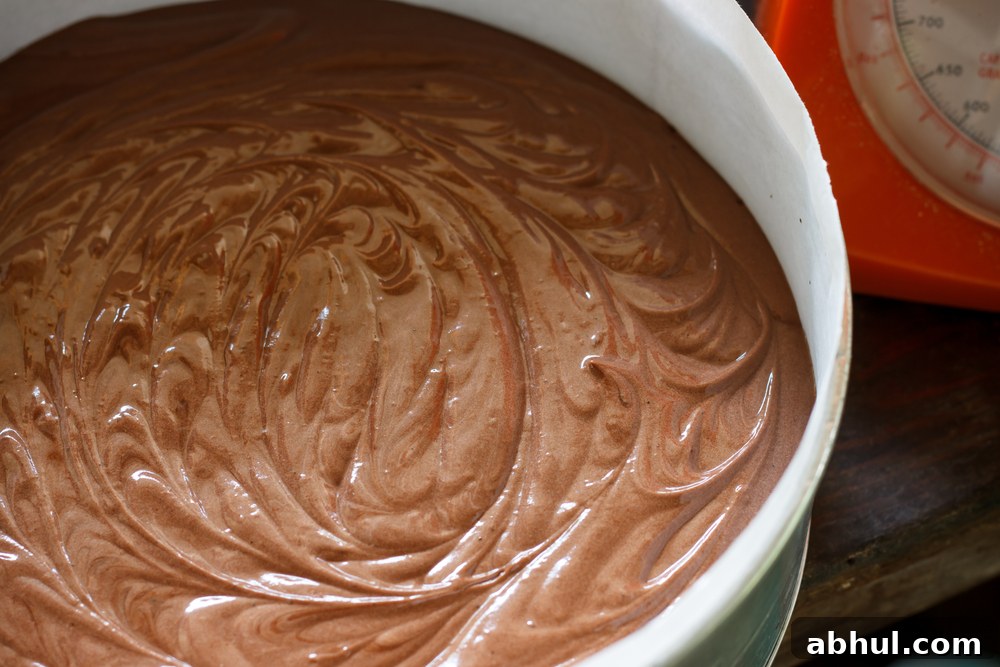
15. Smooth the Batter Before Baking
Level the top of the batter in the pan and tap it gently to release air bubbles. This ensures even baking and a uniform final shape.
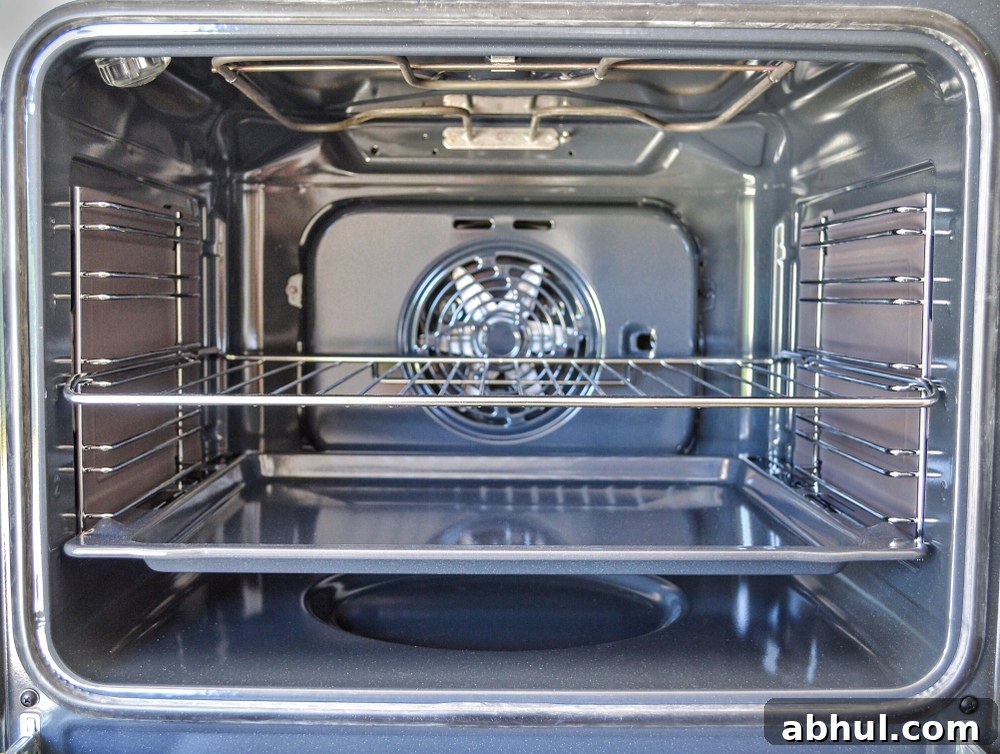
16. Bake on the Center Rack
The center rack provides the most even heat distribution. Use it unless a recipe specifies a different position for broiling or special browning needs.
17. Set the Timer Immediately
Start the timer as soon as your pan goes into the oven. Bake times start the moment heat reaches the batter, and delaying the timer risks overbaking—especially for quick-baking items like cookies.
18. Avoid Opening the Oven Door
Opening the oven door frequently lets heat escape and can cause delicate baked goods to sink or bake unevenly. If you must check, wait until the product is nearly done.
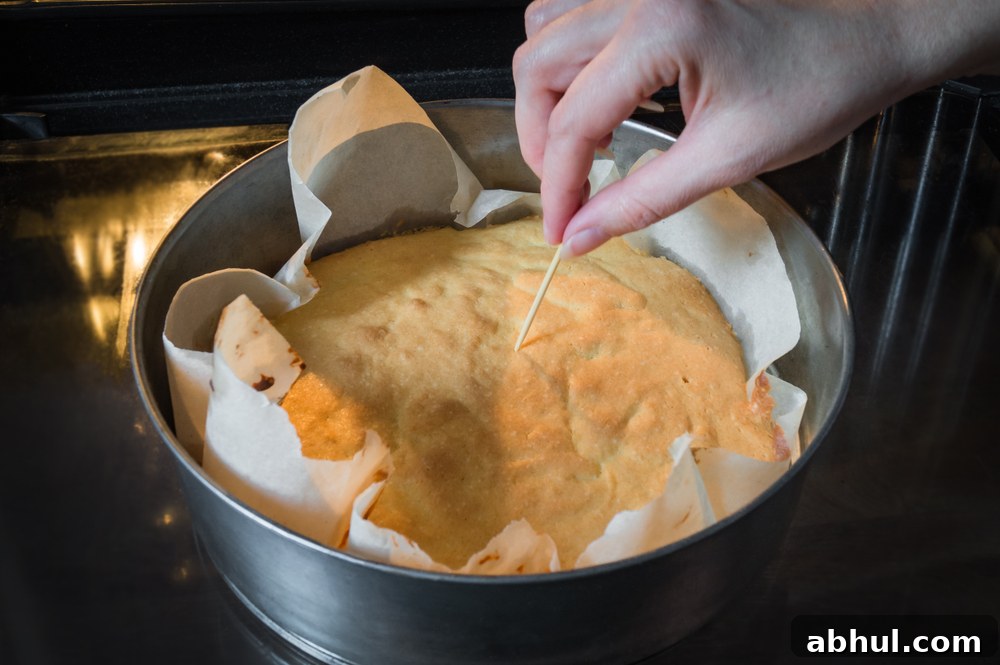
19. Use a Toothpick to Test for Doneness (When Appropriate)
For muffins, cakes, quick breads, and brownies, the toothpick test is a reliable method: insert a toothpick into the center and see whether it comes out clean, with a few moist crumbs, or with wet batter, depending on the recipe’s guidance. Other signs of doneness include a golden edge, a fragrant aroma, or a top that springs back when lightly pressed.
20. Follow Cooling Instructions
Cooling time affects texture and finish. Many items continue to set from residual heat, so follow the recipe’s cooling instructions—whether that means cooling in the pan briefly before transferring to a wire rack or letting an item cool fully in the pan before slicing or refrigerating.
Typical cool times
- Muffins: 5 minutes in the pan, then 5 minutes on a rack.
- Cookies: 5 minutes on the baking sheet, then 5–10 minutes on a rack (some recipes call for cooling completely on the sheet).
- Cakes: 5–15 minutes in the pan, then transfer to a wire rack to cool completely.
- Quick breads: about 10 minutes in the pan, then 15 minutes on a rack.
- Brownies and bars: 30–45 minutes in the pan to set.
- Cheesecake: cool in the pan, then refrigerate for several hours.
21. If Something Goes Wrong, Troubleshoot
Not every bake is perfect. When a recipe fails, take a moment to analyze what went wrong—timing, temperature, measurement, technique, or the recipe itself. Learning from mistakes reduces future failures and improves your baking skills.
Click the link or picture to be taken to the recipe!
Cream Cheese Pound Cake
A rich and decadent pound cake loaf with the unique flavor of tangy cream cheese.
Loaf Pan Almond Cheesecake
Almond Poppy Seed Loaf