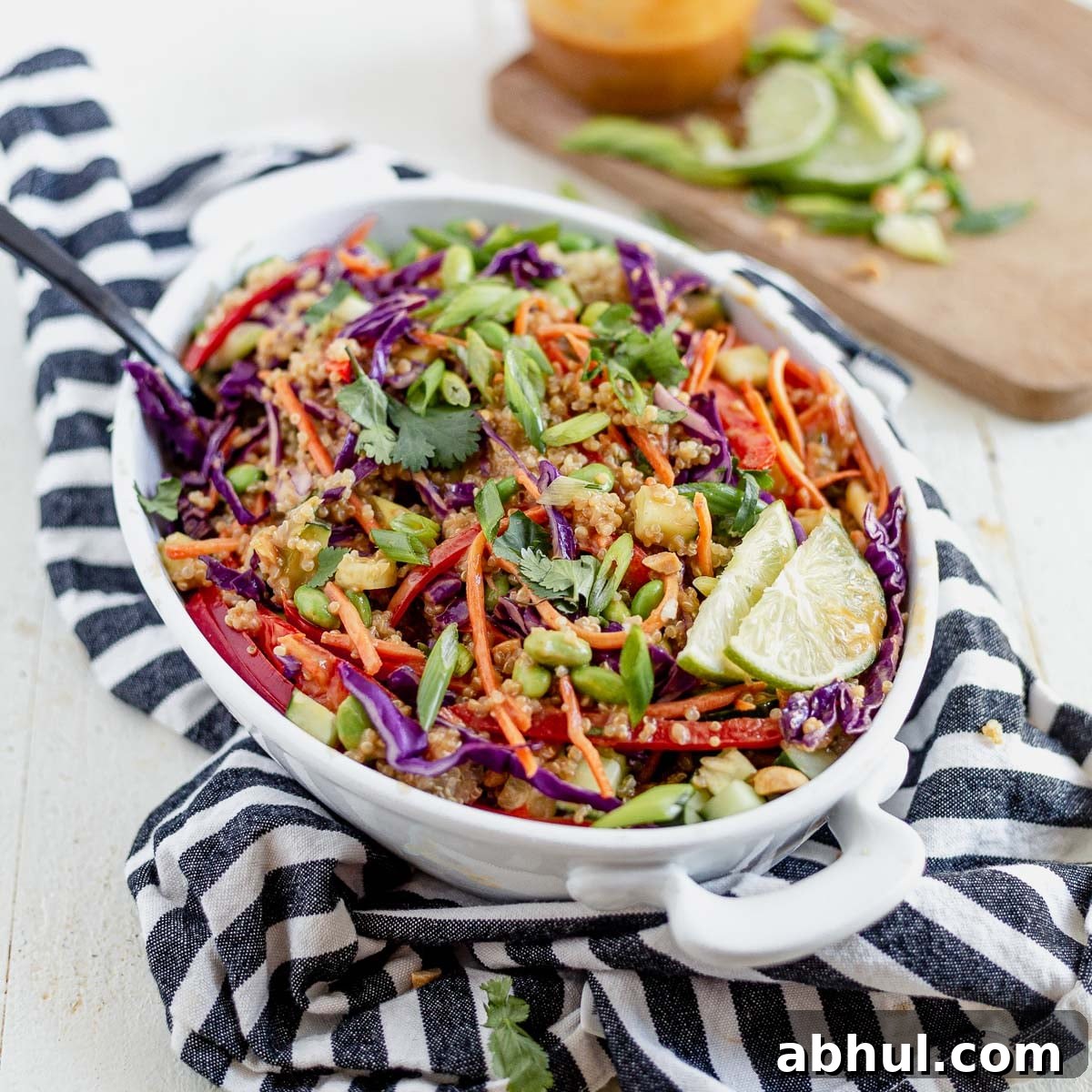
An anti-inflammatory diet is an approach to eating that aims to reduce chronic inflammation throughout the body. Following an anti-inflammatory meal plan and preparing anti-inflammatory recipes can help ease symptoms, support recovery from autoimmune conditions, regulate menstrual cycles, ease anxiety and bloating, and improve overall well-being.
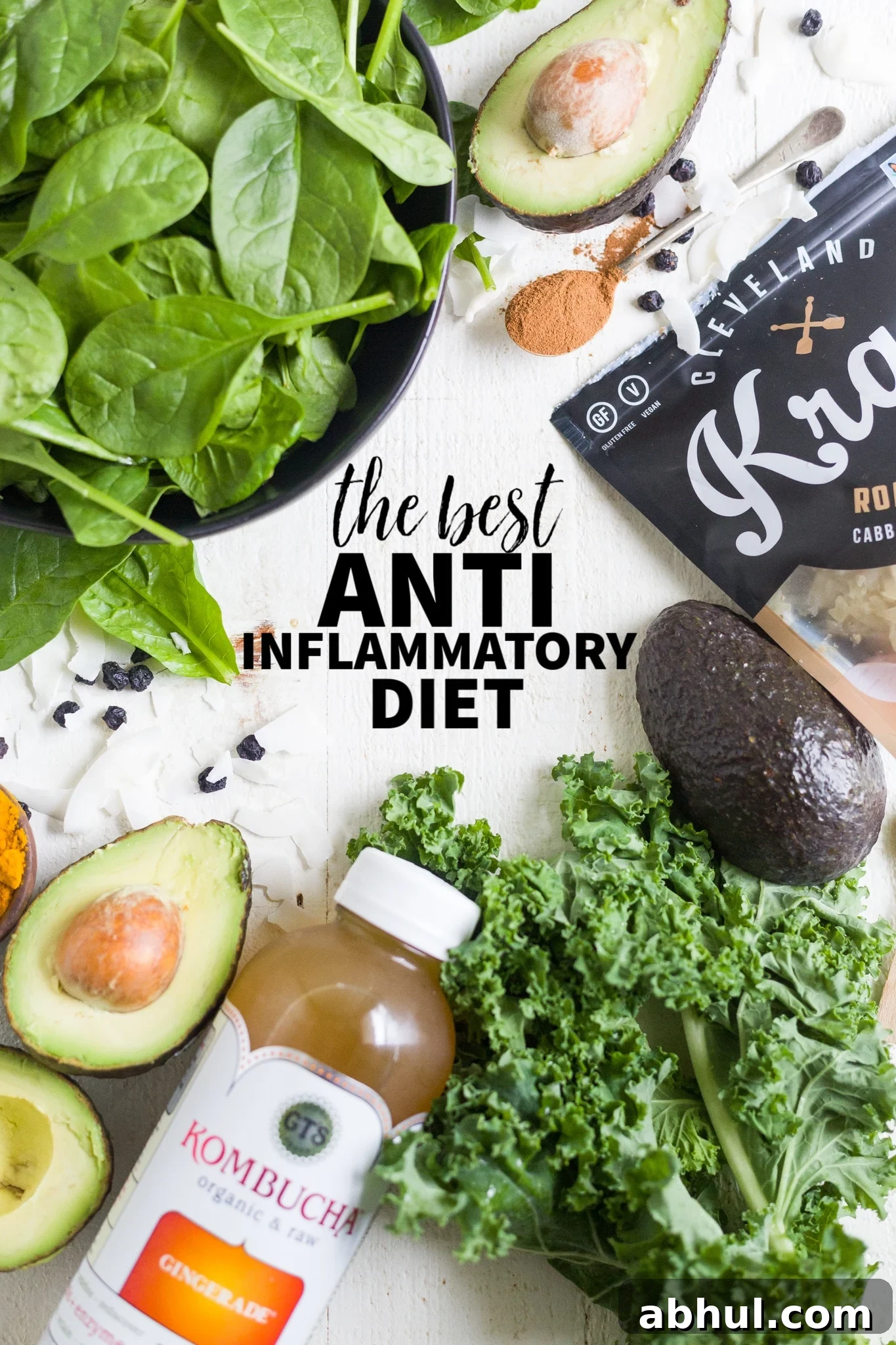
Table of Contents
- Why I eat an anti inflammatory diet
- What is chronic inflammation?
- How chronic inflammation affects hormones
- Symptoms of chronic inflammation
- Why reducing inflammation is important
- What is the easiest anti-inflammatory diet?
- What are the 5 worst foods for inflammation?
- Food Sensitivity Tests for YOUR body:
- My 80-20 rule when it comes to an anti inflammatory diet:
- How to eat an anti inflammatory diet during the holidays:
- Takeaways for an anti inflammatory diet
Sources: information summarized from relevant nutrition and hormone-health resources, functional medical guidance, and working with a health coach.
Why I eat an anti inflammatory diet
I describe this as an anti-inflammatory diet for simplicity, but it’s really a lifestyle and a form of medicine for me. Choosing nutrient-dense, minimally processed foods has helped address symptoms like PCOS, leaky gut, IBS, acne, and anxiety. Eating in this way supports the body’s ability to heal and function better.
For me the shift wasn’t about strict rules or guilt — it was about prioritizing foods that help me feel my best. That mindset turns food choices into self-care rather than punishment: nourishing the body to improve energy, mood, and overall health.
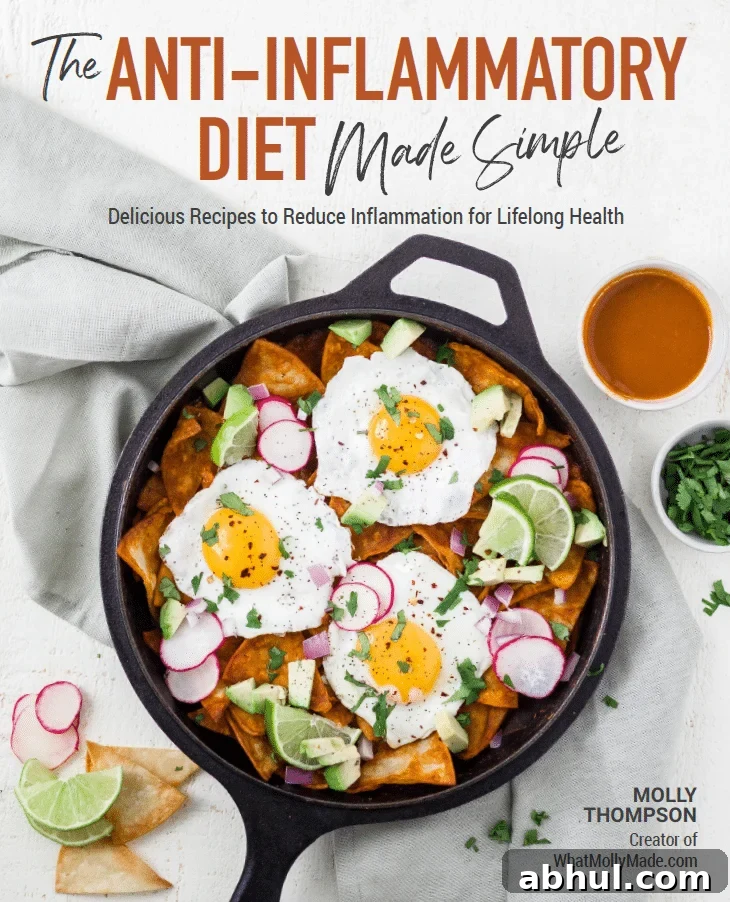
My cookbook is now available!
This book contains 100+ simple, gluten-free and dairy-free recipes designed to help you feel better and feed your family nourishing meals.

What is chronic inflammation?
Inflammation is the immune system’s response to injury or infection. Acute inflammation — like swelling after an injury or a short-lived illness — plays a protective role. Chronic inflammation, however, means the body remains in a low-level inflammatory state over time, which can contribute to a range of health issues.
When inflammation becomes chronic it can affect internal systems, showing up as digestive problems, autoimmune conditions, asthma, allergies, menstrual irregularities, and other chronic health concerns.
How chronic inflammation affects hormones
Inflammation interferes with the communication pathways between body systems. Hormones act as messengers that regulate menstrual cycles and other bodily functions. Chronic inflammation introduces inflammatory signaling molecules into that communication network, which can disrupt normal hormonal signaling and create what some experts call “hormonal miscommunication.”
That disruption can present as irregular periods, acne, mood changes, and other hormone-related symptoms. For many people, reducing inflammation is a key first step in restoring hormonal balance.
Symptoms of chronic inflammation
If you suspect chronic inflammation, consult a healthcare professional. Common signs that may warrant further evaluation include:
- Digestive issues: bloating, gas, IBS, constipation, or leaky gut
- Frequent headaches
- Irregular menstrual cycles
- Skin problems such as acne or psoriasis
- Mood disorders, including anxiety or depression
- Poor sleep or insomnia
- Difficulty losing weight
Blood tests can help evaluate inflammatory markers; common tests include C-reactive protein (CRP) and other laboratory markers that a clinician can interpret alongside symptoms.
Why reducing inflammation is important
Chronic inflammation is not intended to persist. When it does, it can impair bodily functions and diminish quality of life. Reducing inflammation can relieve symptoms and allow the body to function more effectively. People who lower chronic inflammation often report improved energy, mood, sleep, and resilience.
Reducing inflammation supports overall health and helps you feel better day to day, which in turn enables you to live more fully and support others.
What is the easiest anti-inflammatory diet?
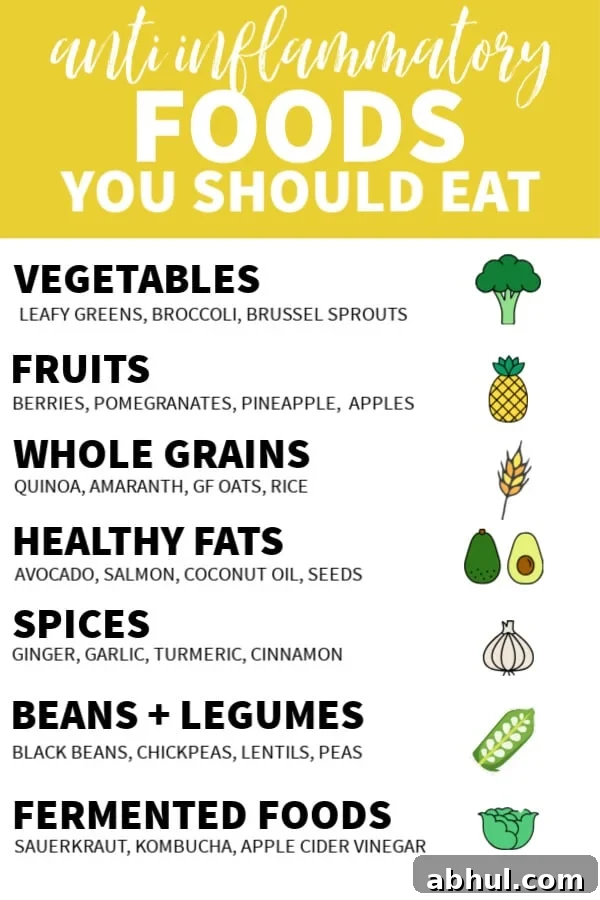
I focus on adding nourishing foods rather than obsessing over restriction. Prioritizing these anti-inflammatory foods naturally reduces inflammatory triggers:
- Vegetables: Rich in vitamins, minerals, fiber, and phytonutrients that support the gut and reduce inflammation.
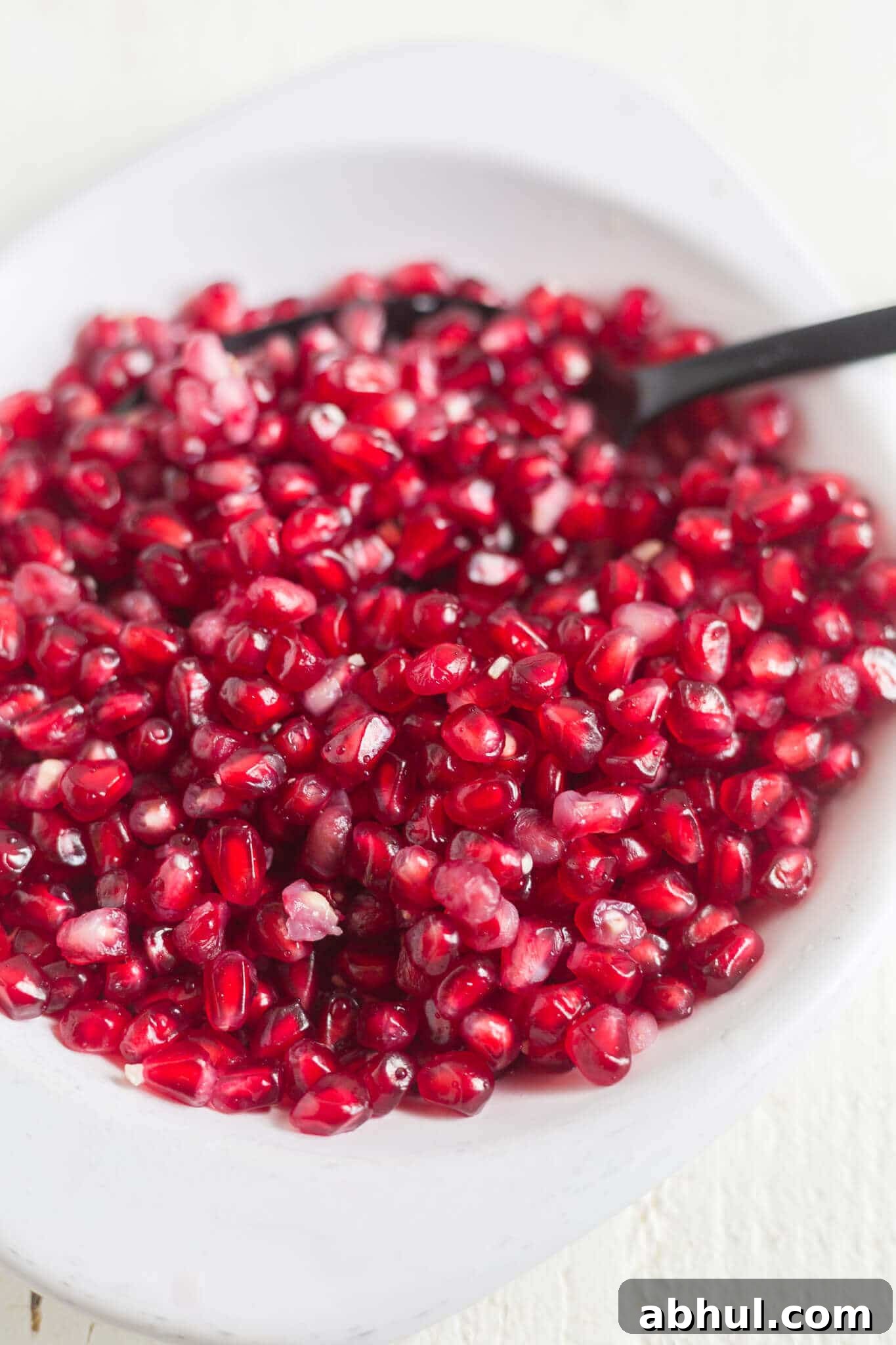
- Fruits: High in antioxidants and fiber—choose a variety of colors such as berries, apples, and pomegranate.
- Whole grains: Opt for gluten-free whole grains if needed—quinoa, rice, amaranth, and certified gluten-free oats.
- Healthy fats: Omega-3–rich foods like salmon, avocado, seeds, and certain oils help counter inflammation.
- Spices: Turmeric, ginger, cinnamon, and garlic have anti-inflammatory properties and enhance flavor.
- Fermented foods: Foods like sauerkraut, kimchi, and kombucha provide probiotics that support gut health.
- Bone broth: Supplies amino acids and minerals that support gut lining and immunity.
- Beans and legumes: Provide fiber, protein, and nutrients that support a healthy gut and reduce inflammation.
What are the 5 worst foods for inflammation?
- Sugar: Excess sugar can promote liver inflammation, insulin resistance, and related metabolic effects.
- Alcohol: Alcohol can harm gut bacteria, impair detoxification, reduce nutrient absorption, and promote inflammation when consumed in excess.
- Gluten: Gluten affects people differently; some individuals experience an inflammatory response and should avoid it.
- Dairy: Dairy can be inflammatory for some due to proteins like A1 casein; many people benefit from reducing or eliminating it.
- Vegetable oils high in omega-6: Excessive omega-6 intake from some vegetable oils can promote inflammation if not balanced with omega-3s. Prefer olive oil, avocado oil, or coconut oil for cooking.
Food Sensitivity Tests for YOUR body:
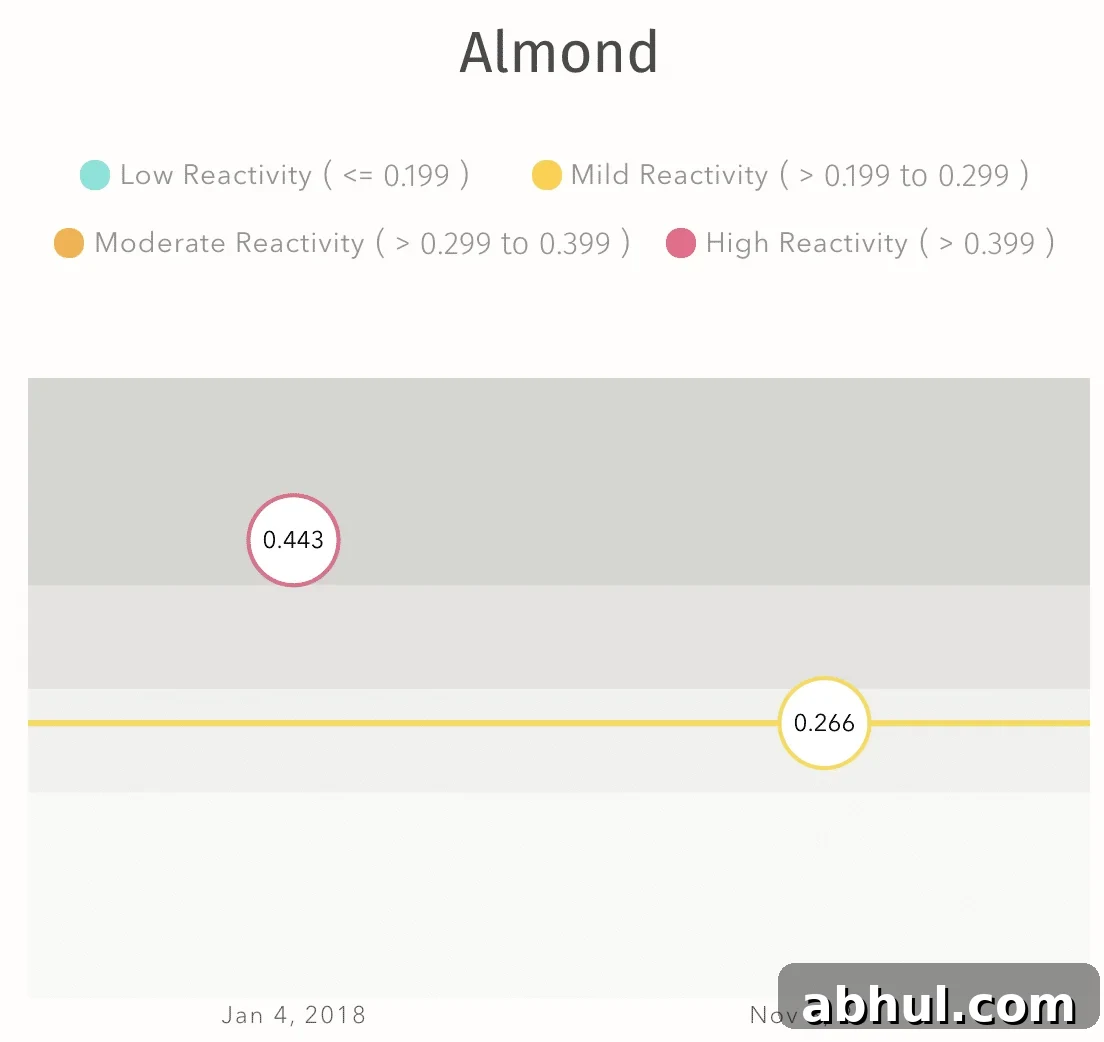
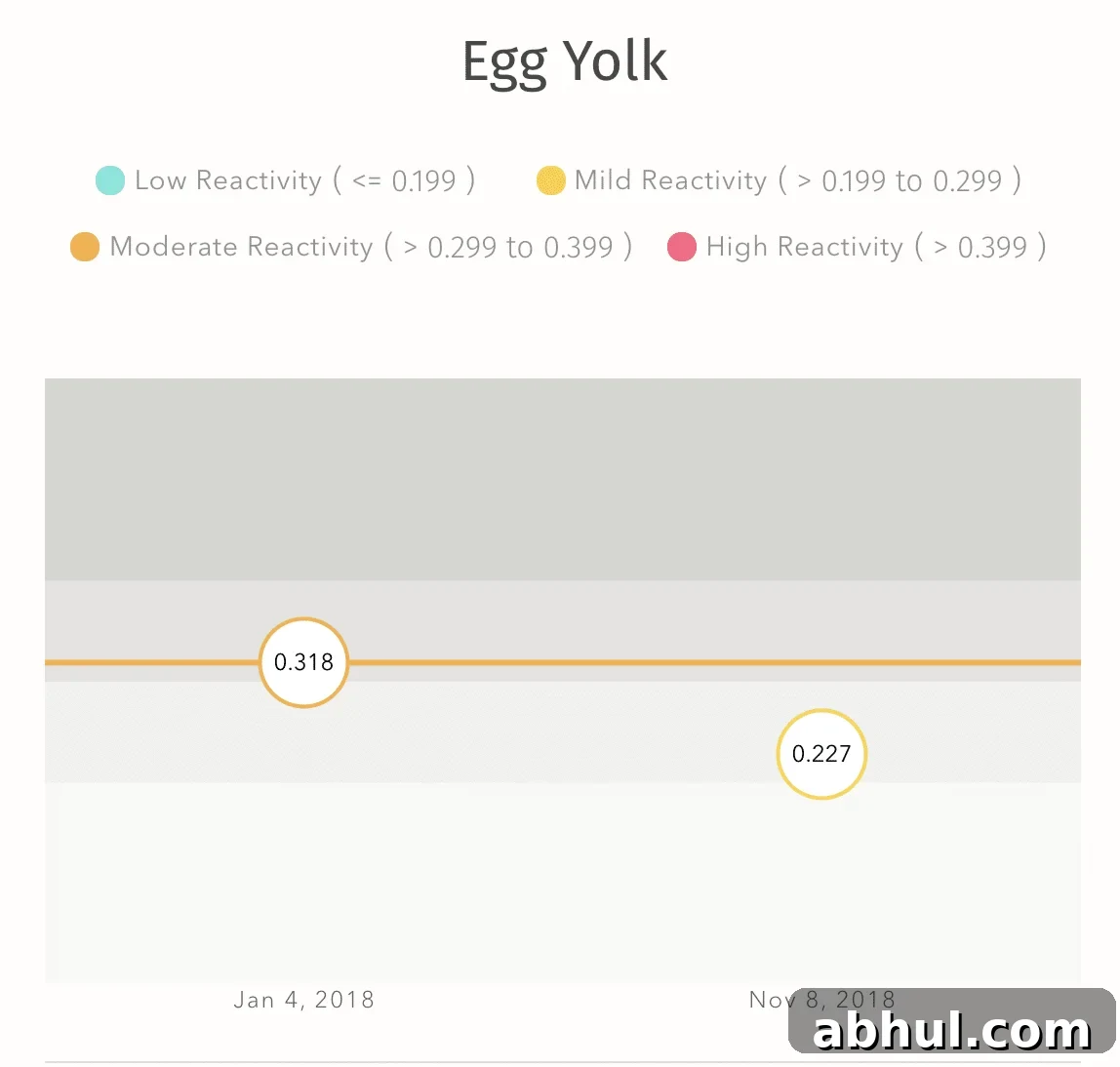
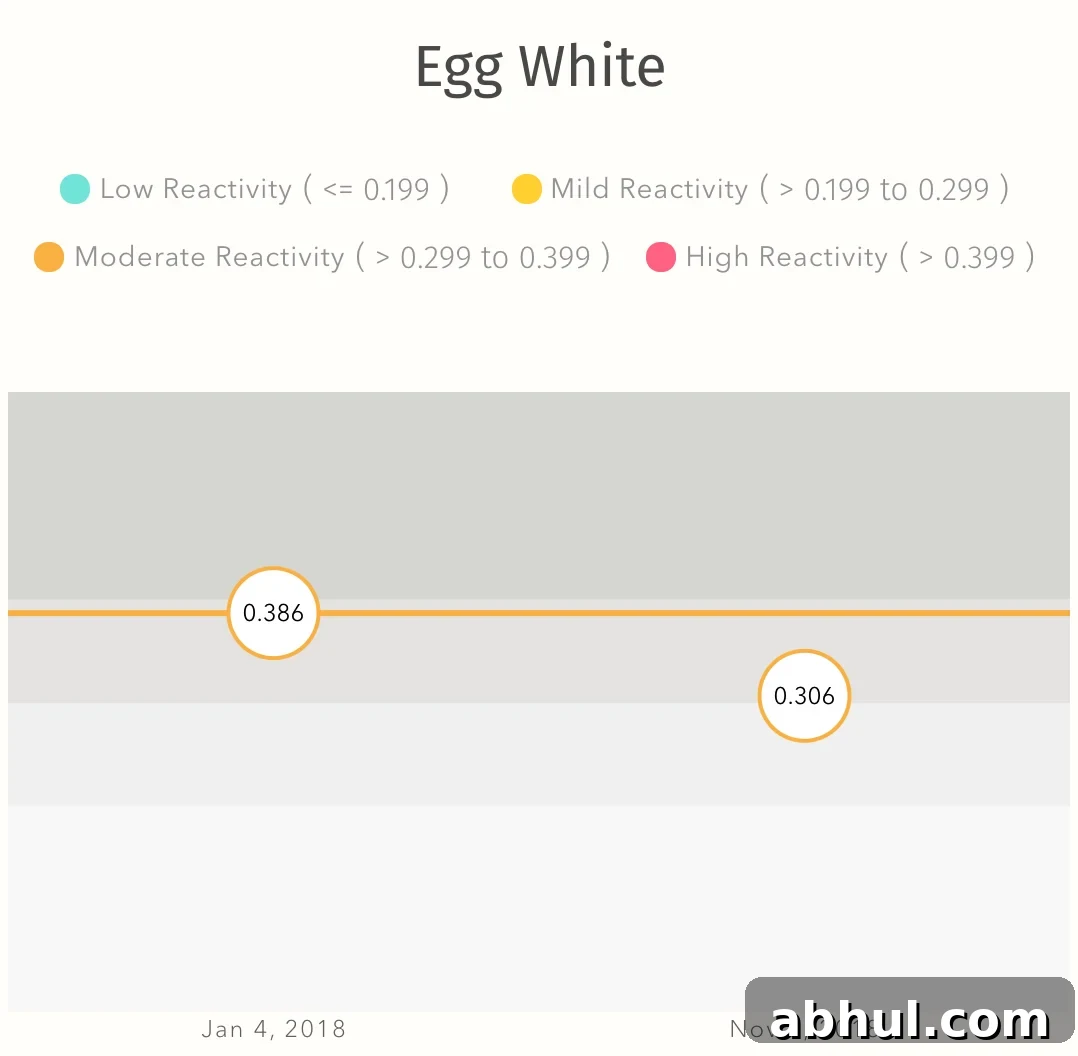
Food sensitivities are individual. A sensitivity can upset gut bacteria and inflame the gut lining, triggering immune responses. Testing can reveal specific foods that cause inflammatory reactions for you.
Many people find value in a food sensitivity test to identify triggers. Knowing your sensitivities lets you remove or reduce problematic foods and focus on rebuilding gut health with probiotics, fermented foods, bone broth, and targeted supplements. With consistent gut-healing strategies, some sensitivities may decrease over time.
My 80-20 rule when it comes to an anti inflammatory diet:
I follow a flexible approach: aim to eat anti-inflammatory most of the time (around 80%) and allow for enjoyable, less-structured choices the rest of the time. Starting with a strict short-term reset can help reveal how your body responds, but long-term success often comes from balance, not extreme restriction.
Give yourself grace, focus on adding nutrient-rich foods, and avoid guilt when you occasionally enjoy treats or social foods that don’t perfectly align with the plan.
How to eat an anti inflammatory diet during the holidays:
Holidays and gatherings can be navigated without sacrificing flavor. If you need to avoid certain foods for health reasons, bring or prepare dishes that meet your needs while still tasting great. Focusing on delicious, whole-food options helps you stick to your approach and enjoy celebrations without stress.
Holiday-friendly anti-inflammatory recipe ideas:
- Gluten-free and vegan green bean casserole
- Gluten-free stuffing
- Gluten-free cornbread stuffing
- Autumn pear salad with candied pecans
- Dairy-free mashed potatoes
- Chocolate paleo pecan pie
- Vegan pumpkin cheesecake bars
Takeaways for an anti inflammatory diet
Key points to remember:
- An anti-inflammatory way of eating is a sustainable approach to feeling better, not just a short-term diet.
- Chronic inflammation can contribute to menstrual problems, headaches, mood disorders, autoimmune conditions, and more.
- Inflammation can interfere with hormonal communication, leading to symptoms across systems.
- Foods that generally reduce inflammation include vegetables, fruits, whole grains (as tolerated), healthy fats, spices, fermented foods, bone broth, beans, and legumes.
- Common inflammatory foods include excess sugar, alcohol, gluten (for some), dairy (for some), and certain vegetable oils.
- Individual responses vary—food sensitivity testing can help identify personal triggers.
- Support gut healing through probiotics, fermented foods, bone broth, and appropriate supplements.
- Adopt a balanced approach (such as 80/20) and avoid rigid, guilt-based rules.