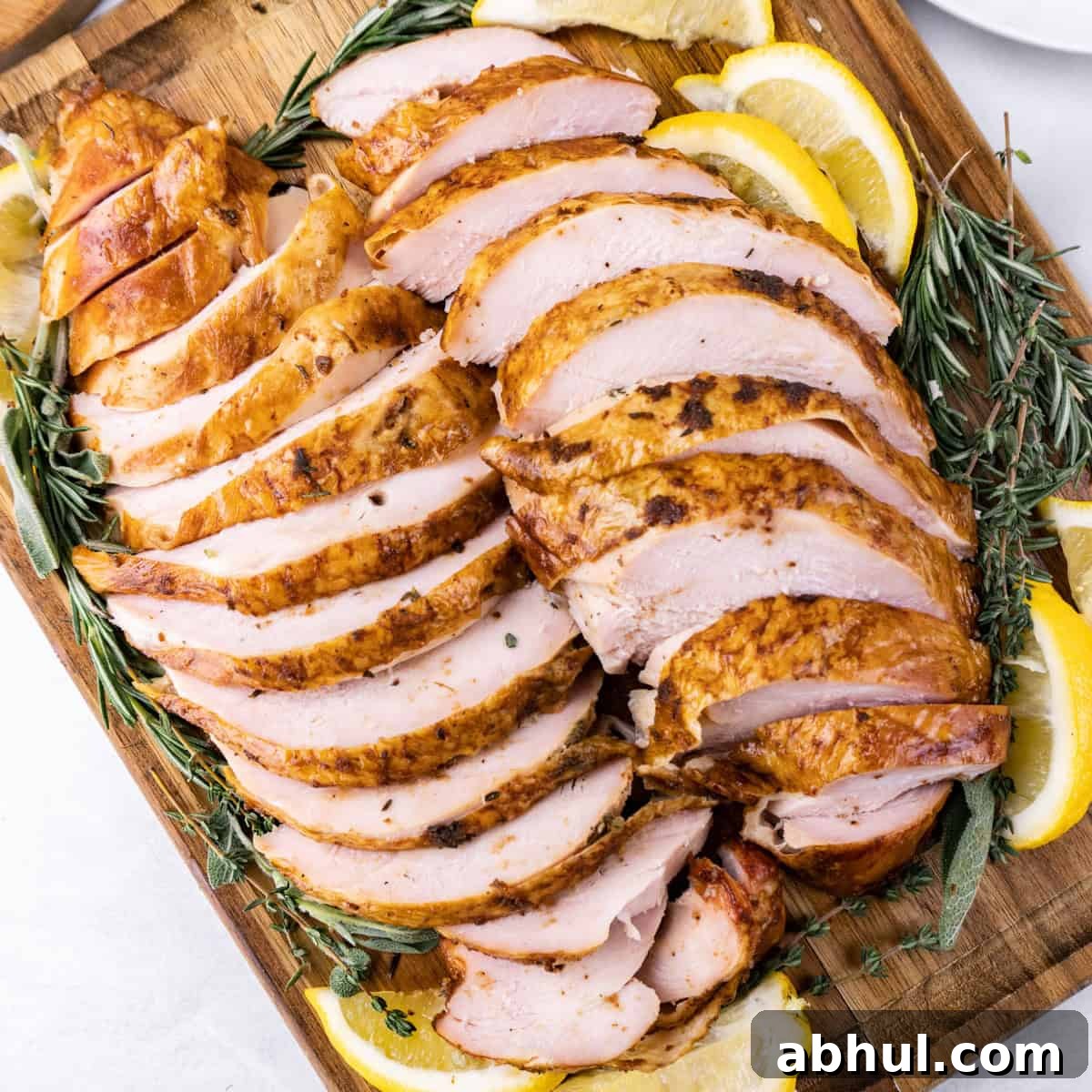
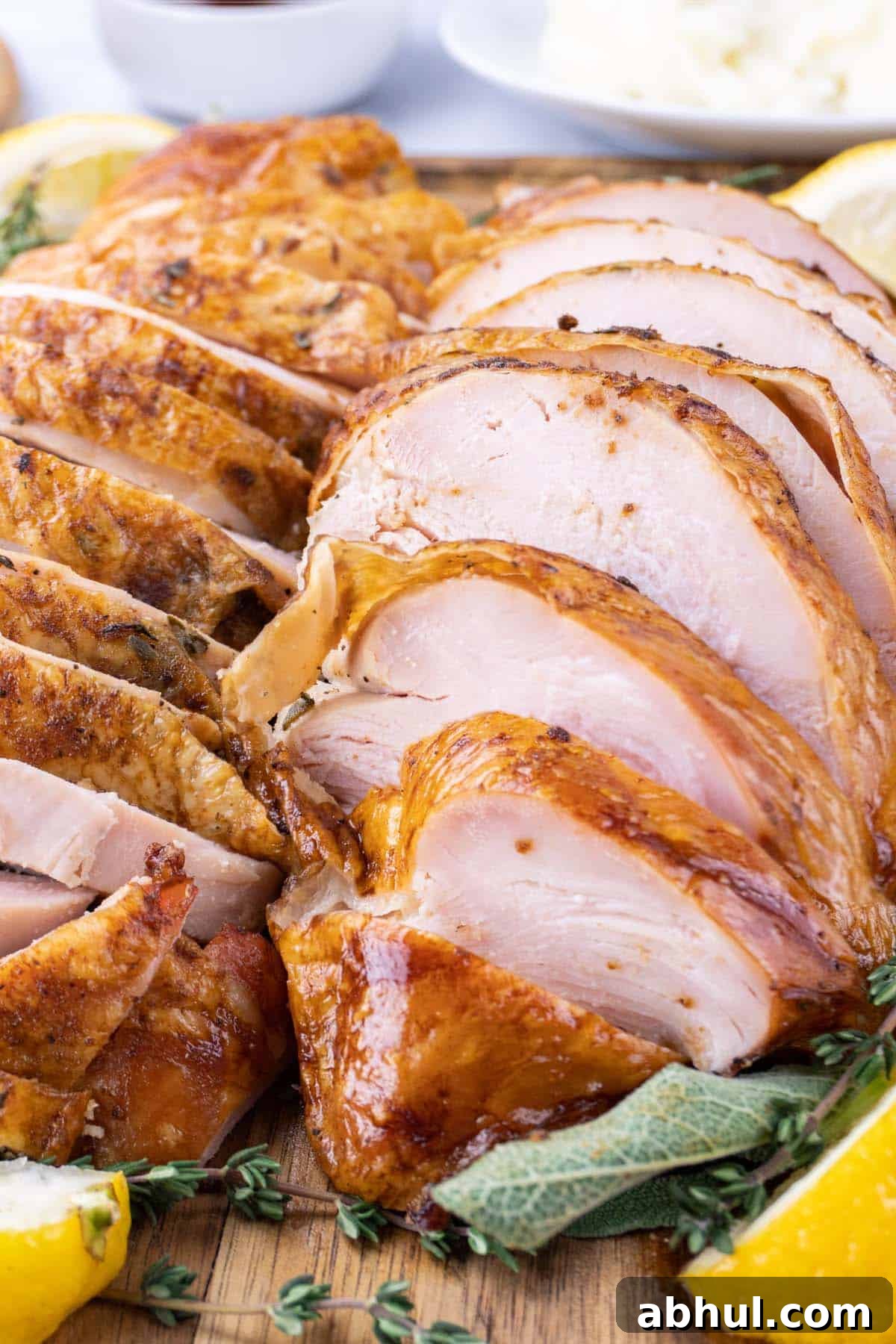
A perfectly smoked turkey breast is tender, juicy, and full of smoky, savory flavor. This easy recipe works for weeknight dinners and is impressive enough for holiday meals.
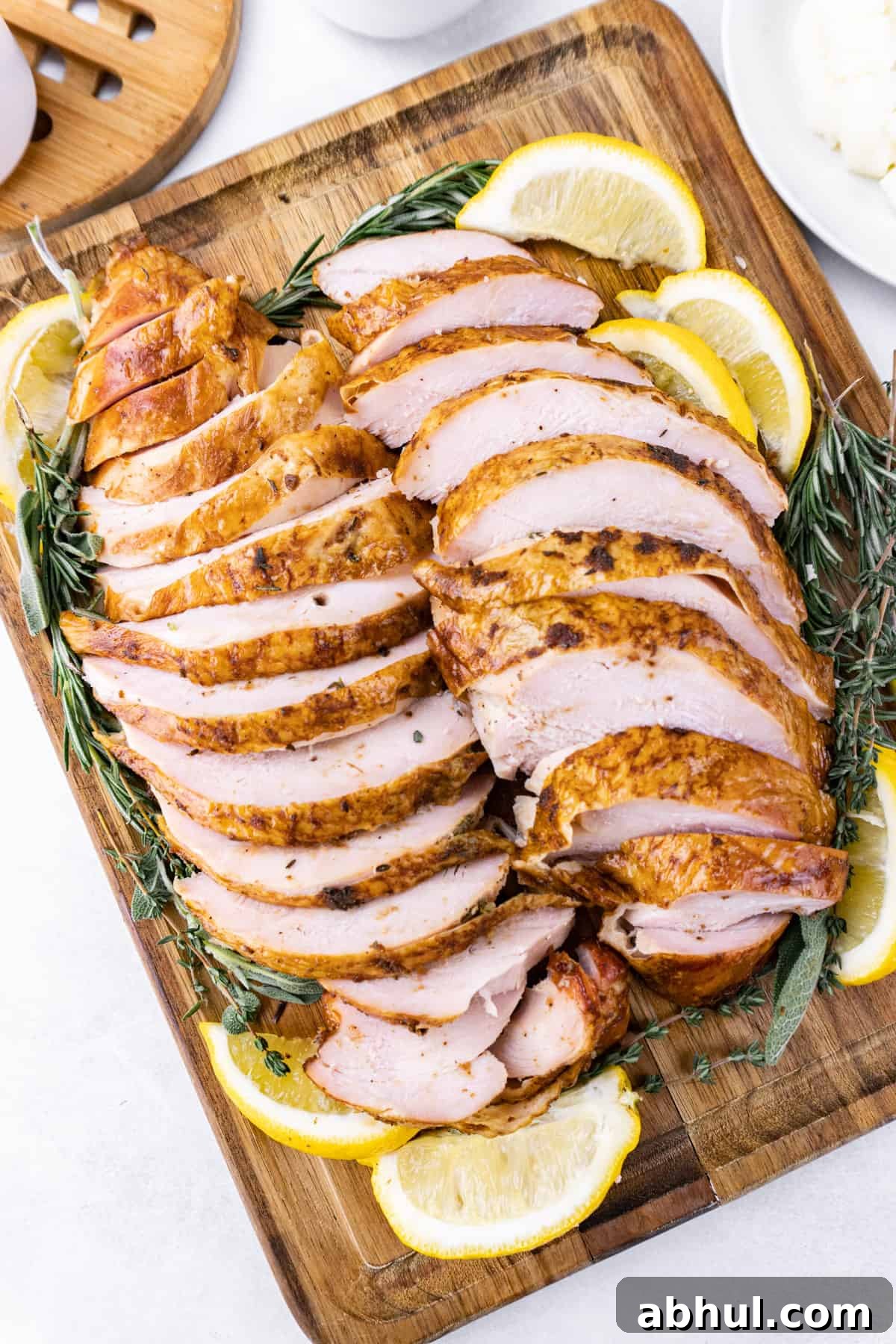
Why This Recipe Works:
Tender: Slow smoking seals in moisture for juicy meat.
Flavorful: A simple herb butter rub amplifies the turkey’s natural taste.
Versatile: Leftovers are excellent in sandwiches, tacos, enchiladas, salads, or as the main course.
Easy: Cooking a single turkey breast is far less daunting than a whole bird and makes flavorful turkey practical year-round.
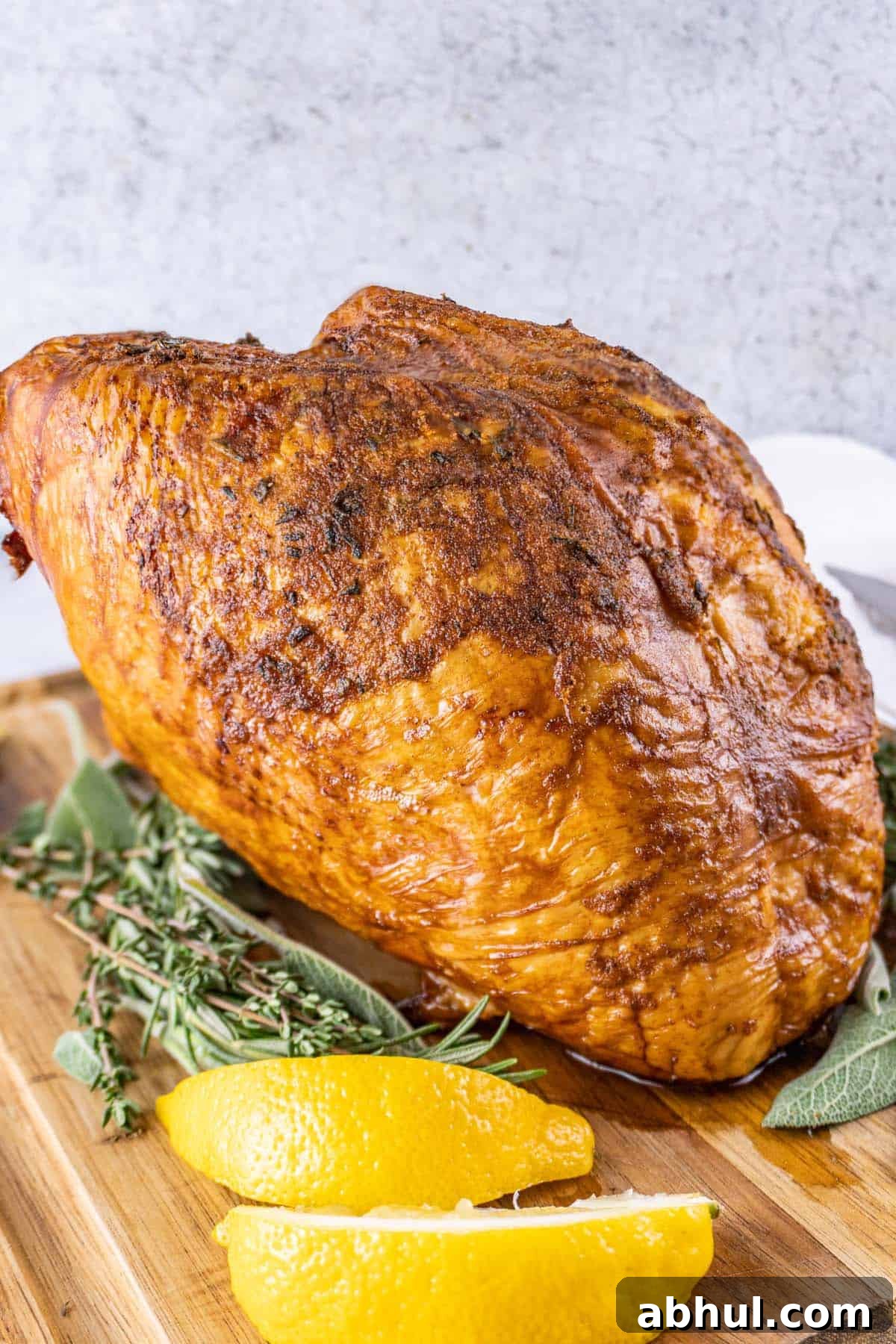
This method borrows the same herb-butter approach used for roasted turkey: spread an herbed unsalted butter beneath the skin and over the breast for great flavor and moist meat. Serve with mashed potatoes, green beans, rolls, or use slices for sandwiches.
What This Recipe Needs:
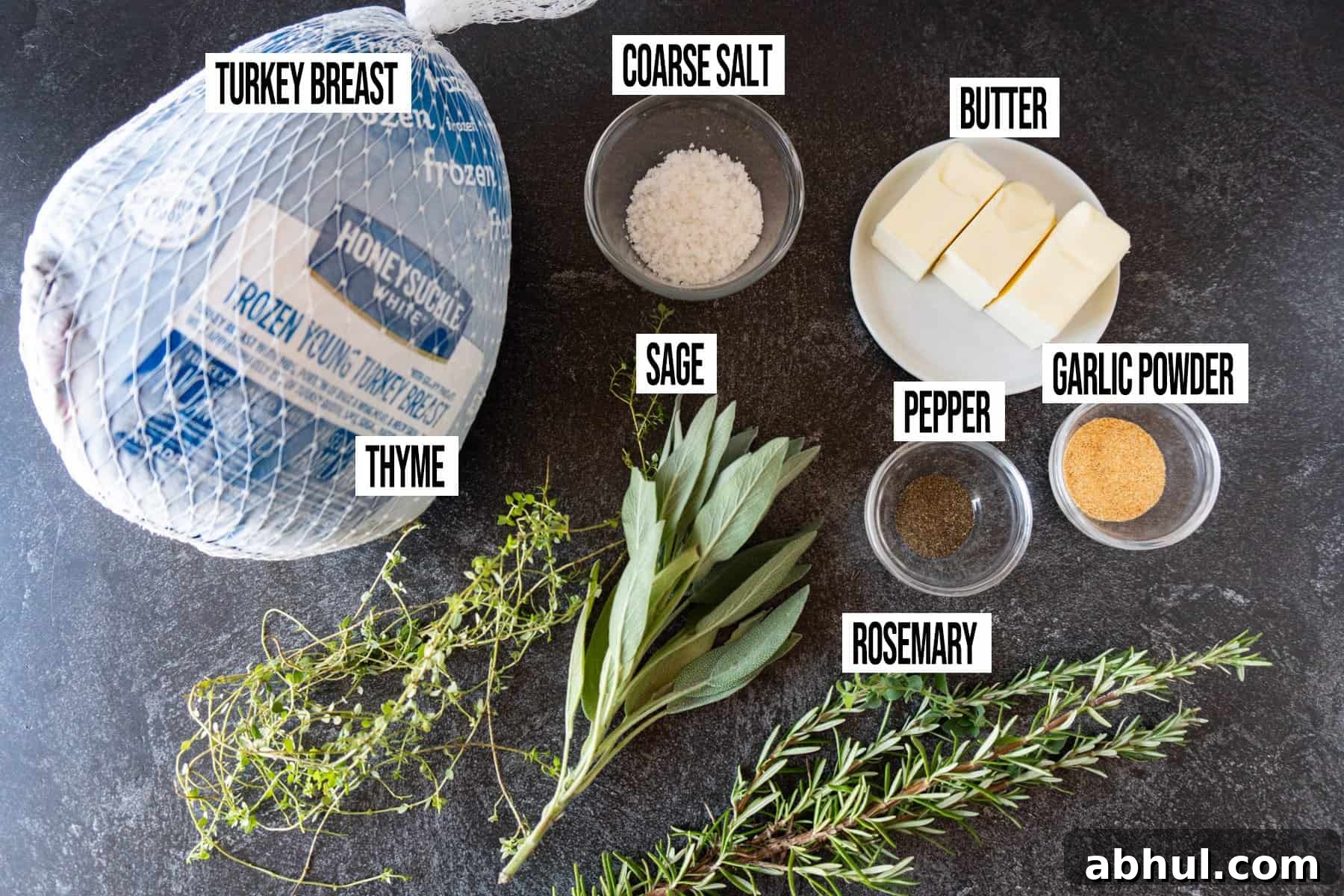
Turkey breast: Bone-in or boneless works. If possible, choose a breast not injected with saline; if it is injected, reduce added salt.
Coarse salt: For dry brining.
Unsalted butter: For herb butter under the skin.
Seasonings: Fresh or dried rosemary, thyme, sage, and black pepper. If using dried herbs, reduce the amount by about half.
Equipment: Any reliable smoker or grill that holds steady temperature and a good instant-read thermometer for monitoring internal temperature.
How to Make Smoked Turkey Breast
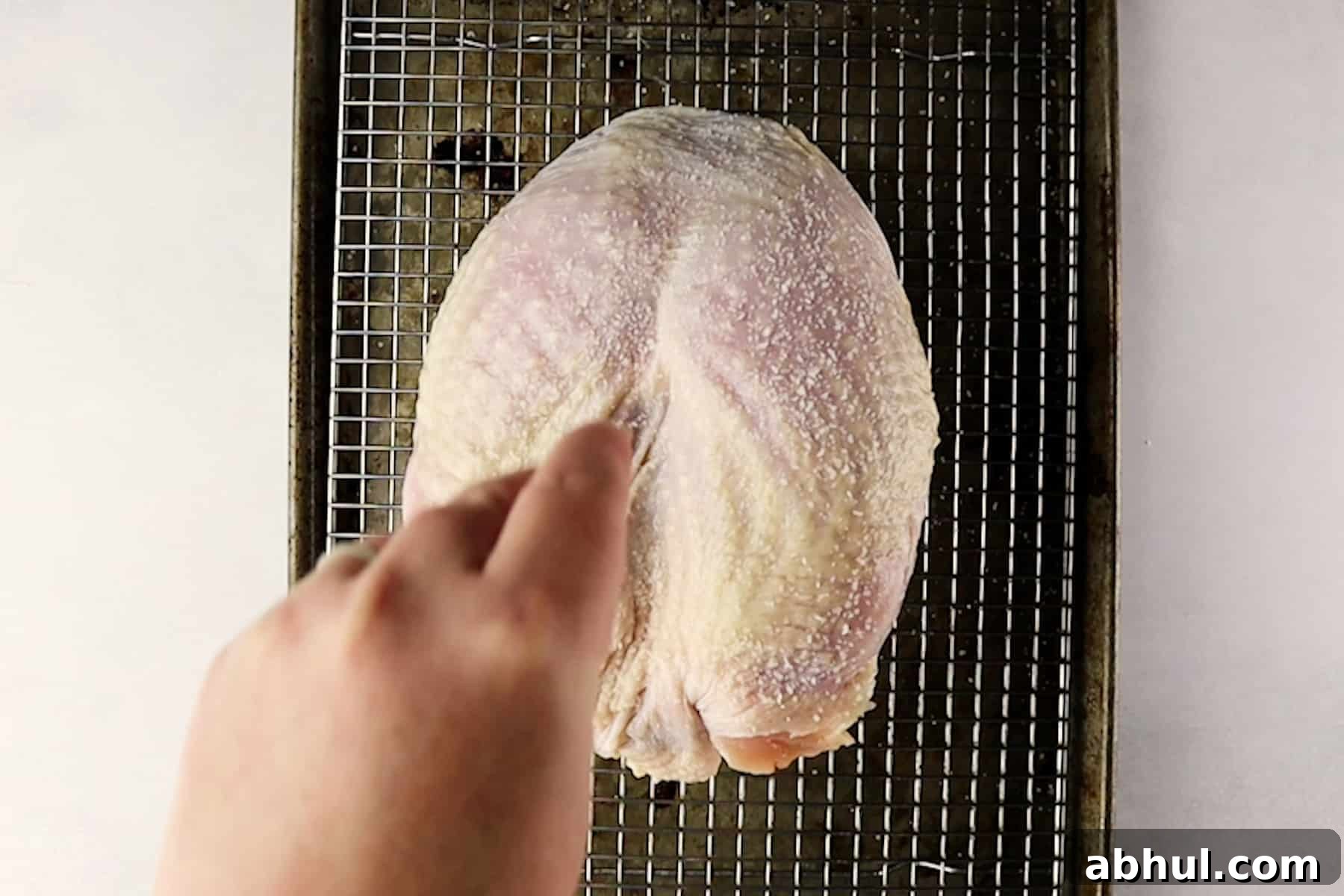
- Step 1: Pat the turkey dry. Rub all over with coarse salt and dry-brine on a rack in the refrigerator overnight or up to 72 hours. Remove from the fridge 30 minutes before smoking to take off the chill.
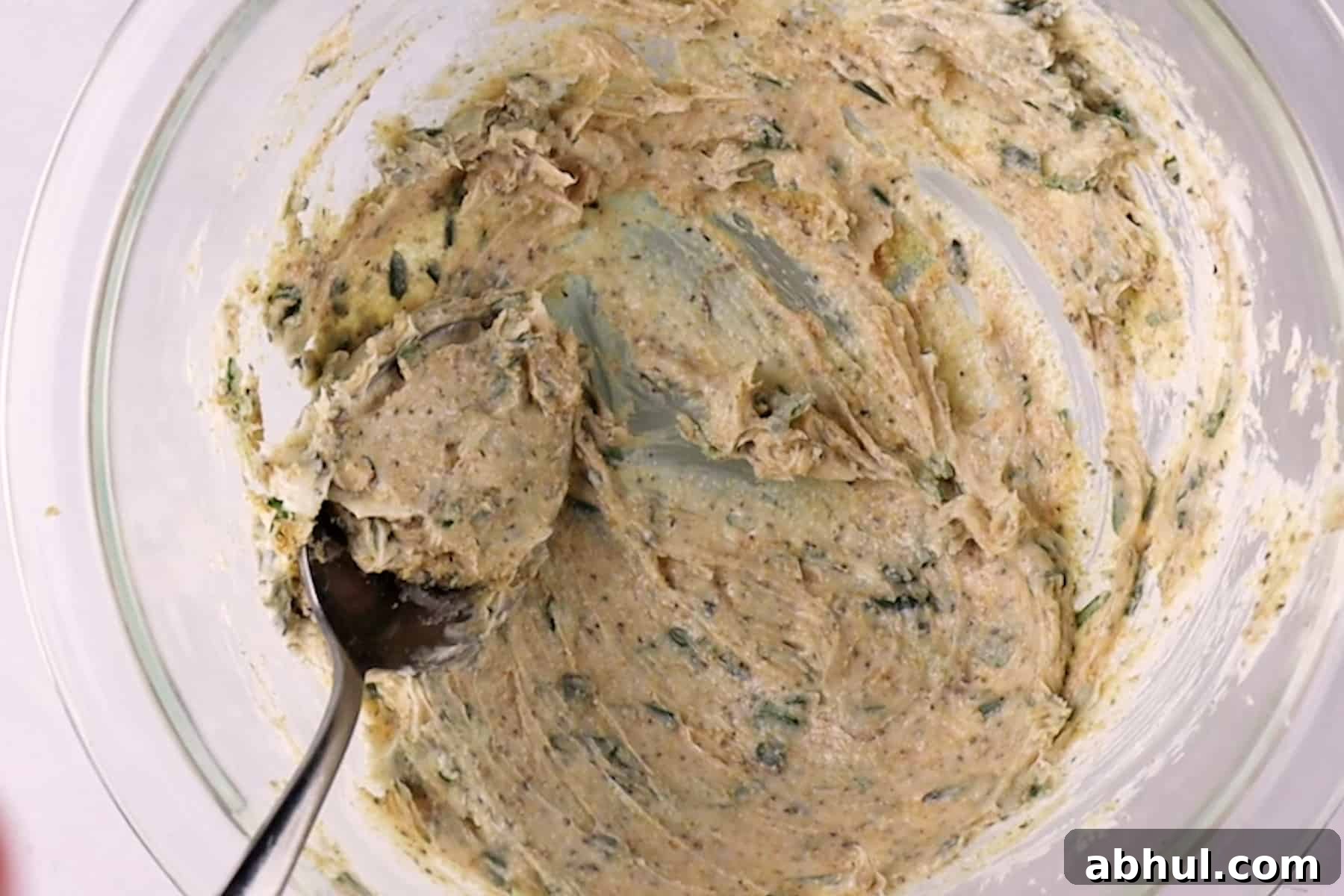
- Step 2: Combine softened unsalted butter with garlic powder, chopped rosemary, thyme, sage, and black pepper.
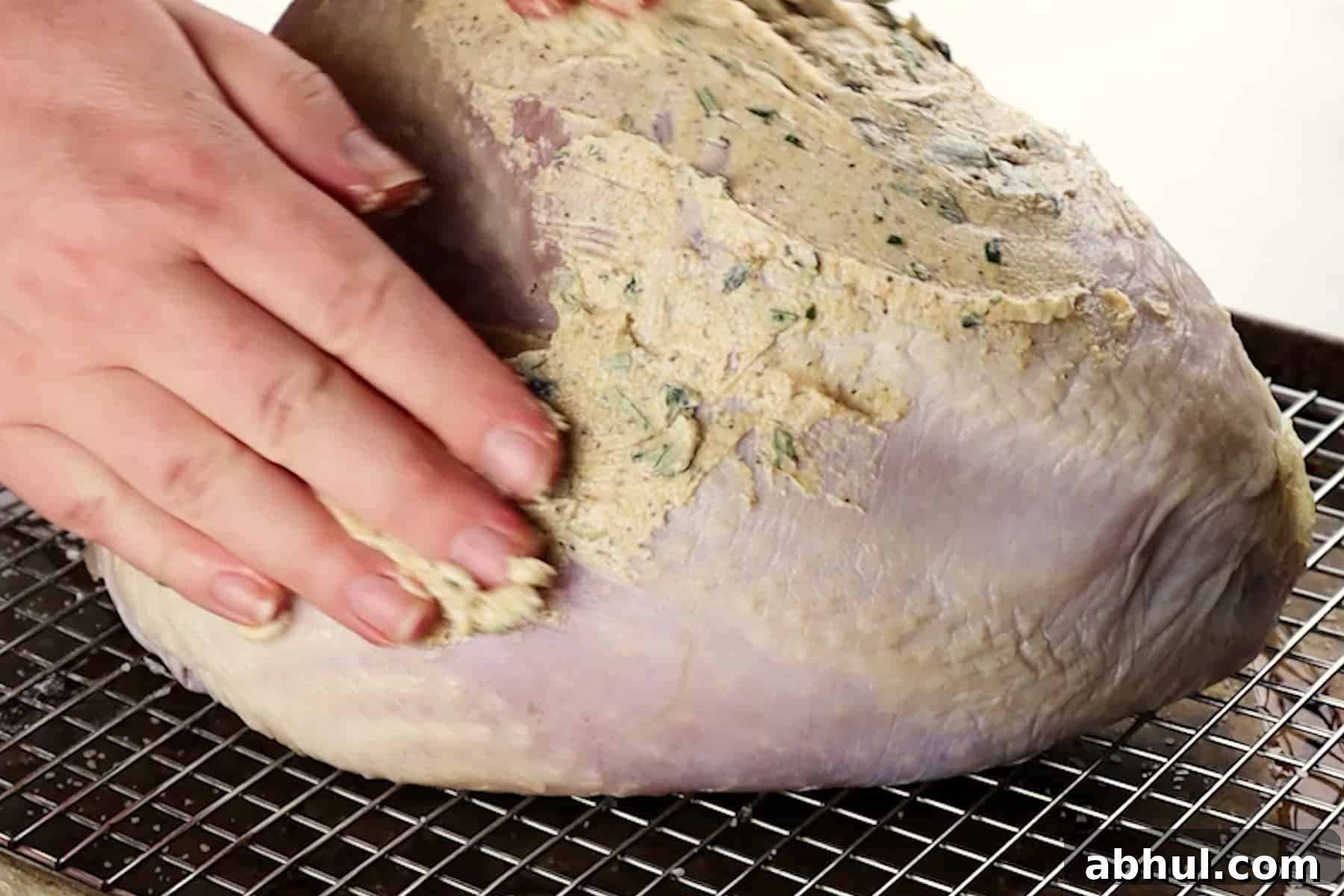
- Step 3: Rub the herb butter all over the breast and gently work some between the skin and meat for flavor and moisture.
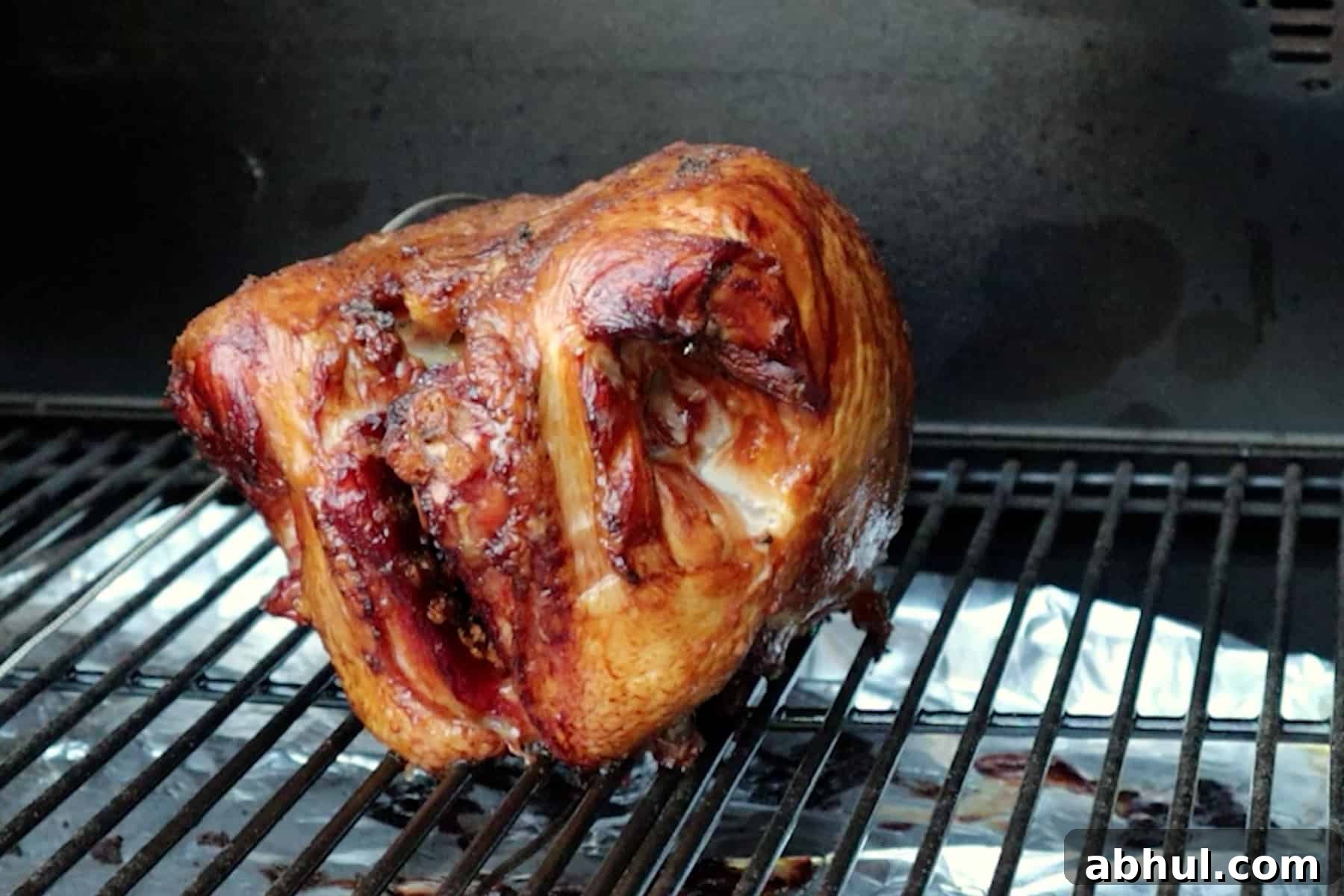
- Step 4: Place a probe thermometer into the thickest part of the breast, avoiding bone. Smoke at 225°F for a smokier flavor (30–45 minutes per pound) or at 300°F for crisper skin and faster cooking (15–30 minutes per pound). Pull the turkey at 160°F, then let it rest 20–30 minutes; the internal temperature will rise to 165°F.
Food Safety
- Remove from the smoker at 160°F and allow resting time so the temperature reaches 165°F.
- Use separate utensils and surfaces for raw and cooked meat.
- Wash hands thoroughly after handling raw poultry.
- Do not leave perishable food at room temperature for extended periods.
- Never leave cooking equipment unattended.
Expert Turkey Tips
- Remove the neck, giblets, and any pop-up thermometer before cooking—those pop-up devices can lead to overcooking.
- Smoking temperatures:
- 225°F — more pronounced smoke flavor; cook time roughly 30–45 minutes per pound.
- 300°F — crisper skin and faster cook time; plan for about 15–30 minutes per pound.
- Color: Smoked turkey can remain slightly pink even when fully cooked; this is a normal reaction to smoke.
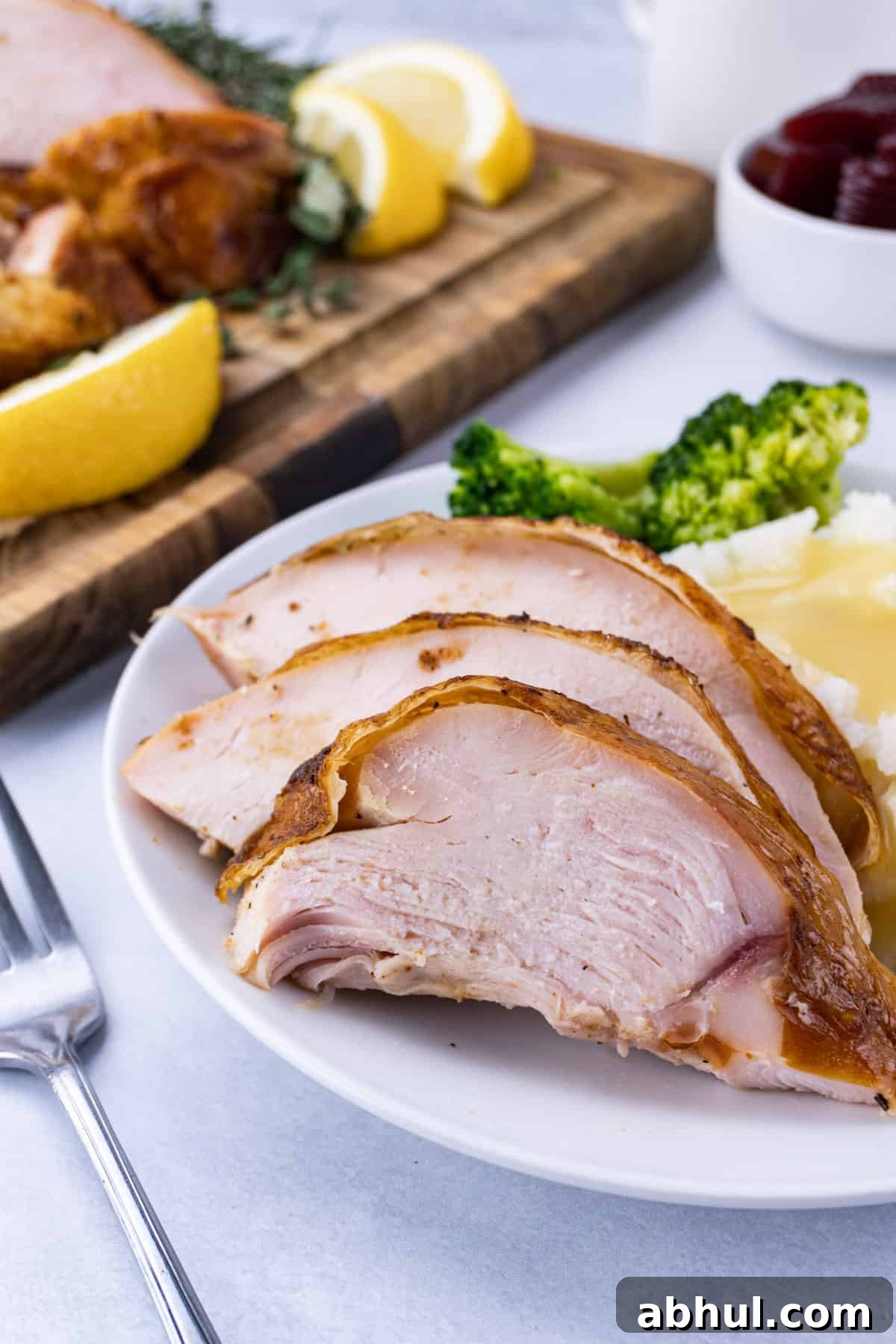
- Slicing: Use a sharp knife to remove the breast from the carcass, then slice against the grain for tender pieces.
- Reheating: Microwave in short bursts with a little gravy or stock and a cover; or reheat in a 325°F oven in a shallow dish with liquid, covered with foil, until heated through.
What to Serve With Smoked Turkey Breast?
Classic pairings include mashed potatoes, sweet rolls, green beans or casserole, deviled eggs, gravy, and cranberry sauce. Sliced turkey also makes excellent sandwiches and tacos.
Frequently Asked Questions
Dry brining means rubbing the turkey with salt and refrigerating it uncovered for 12–72 hours. The salt draws out moisture and then the meat reabsorbs it, improving tenderness and juiciness.
Remove the turkey from the smoker at 160°F, then let it rest 20–30 minutes; carryover heat will bring it to the safe internal temperature of 165°F.
Refrigerate leftovers in an airtight container for up to five days. Slice only what you plan to use and keep the rest in larger pieces to preserve moisture.
Yes. Freeze cooked turkey in a freezer-safe container for up to three months.
Combine dry brining, moderate smoking temperatures, and removing the bird at the correct internal temperature. Putting herb butter under the skin also helps retain moisture.
More Related Recipes
Try other easy entrees like spatchcock turkey, tri-tip, or simple roasted chicken recipes for more crowd-pleasing mains.
-
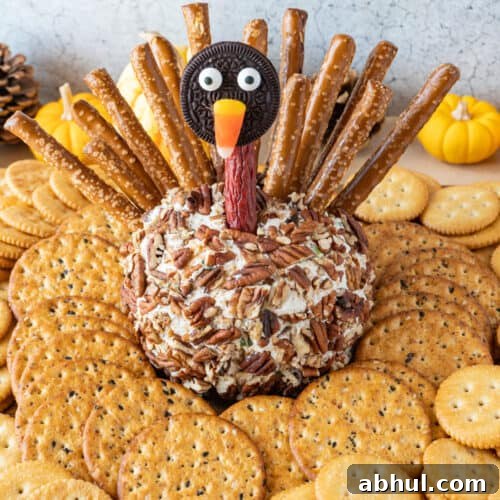
Turkey Cheese Ball
-
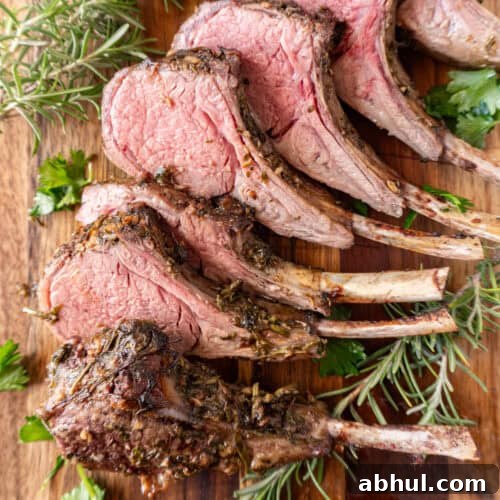
Herb Crusted Rack of Lamb Recipe
-
Filet Medallions with Blackberry Sauce
-
Cranberry Molasses Smoked Spatchcock Turkey
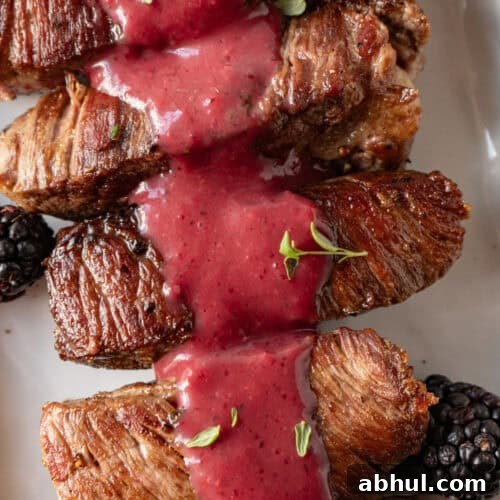
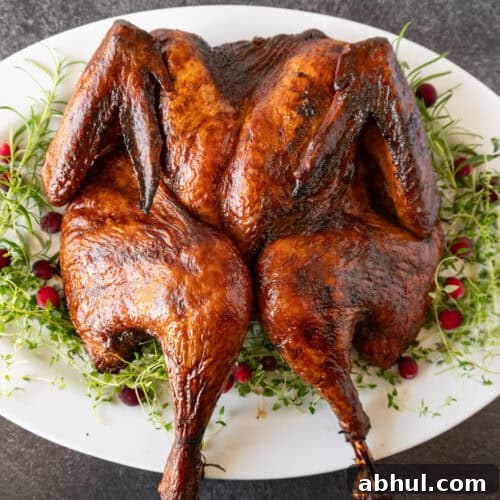
If you try this recipe, please leave a rating and comment. Sign up for newsletters or follow the author on social media for more recipes.
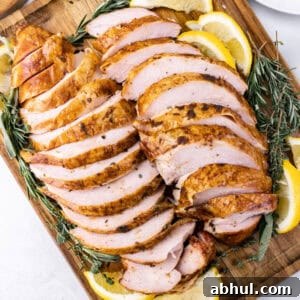
Smoked Turkey Breast
Ingredients
- 4 lb turkey breast, thawed
- 2–4 tbsp coarse salt (for dry brine)
- 3/4 cup unsalted butter, softened
- 1 1/2 tbsp garlic powder
- 1 tsp rosemary, chopped (or 1/2 tsp dried)
- 1 tsp thyme, chopped (or 1/2 tsp dried)
- 1/2 tsp sage, chopped (or 1/4 tsp dried)
- 1/2 tsp black pepper
Instructions
- Remove the neck and giblets from the cavity and discard any pop-up thermometer.
- Pat the turkey dry with paper towels. Rub coarse salt all over the bird and inside the cavity. Place on a rack over a baking sheet and refrigerate uncovered overnight or up to 72 hours.
- About 30 minutes before smoking, remove the turkey from the fridge to come closer to room temperature.
- Mix the softened butter with garlic powder, rosemary, thyme, sage, and black pepper to make the herb butter.
- Rub the herb butter all over the breast, gently slipping some between the skin and meat.
- Insert a probe thermometer into the thickest part of the breast, avoiding bone. Preheat the smoker to either 225°F for a smokier, slower cook or 300°F for crisper skin and faster cooking.
- Smoke until the internal temperature reaches 160°F, then remove and rest 20–30 minutes. The temperature will rise to 165°F during resting.
- Slice and serve.
Notes
- If the turkey breast is injected with saline, use less salt when dry-brining to avoid oversalting.
- Bone-in breasts offer extra flavor, but boneless breasts work well and cook a bit faster.
- If using dried herbs for the butter, halve the amounts listed for fresh herbs.
- Estimate cooking times: at 225°F plan 30–45 minutes per pound; at 300°F plan 15–30 minutes per pound. You can start low and finish at a higher temperature for crisper skin.